
Last updated October 16, 2026
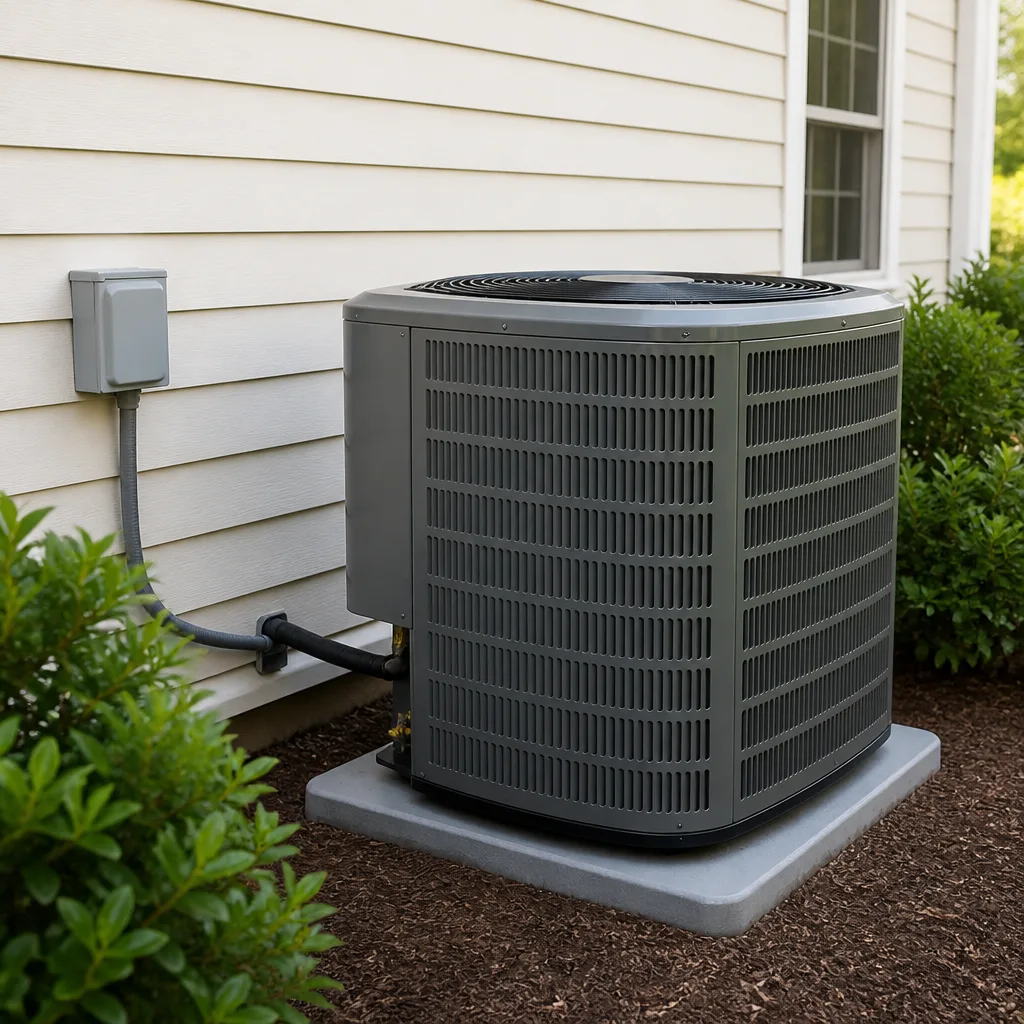 AC repair
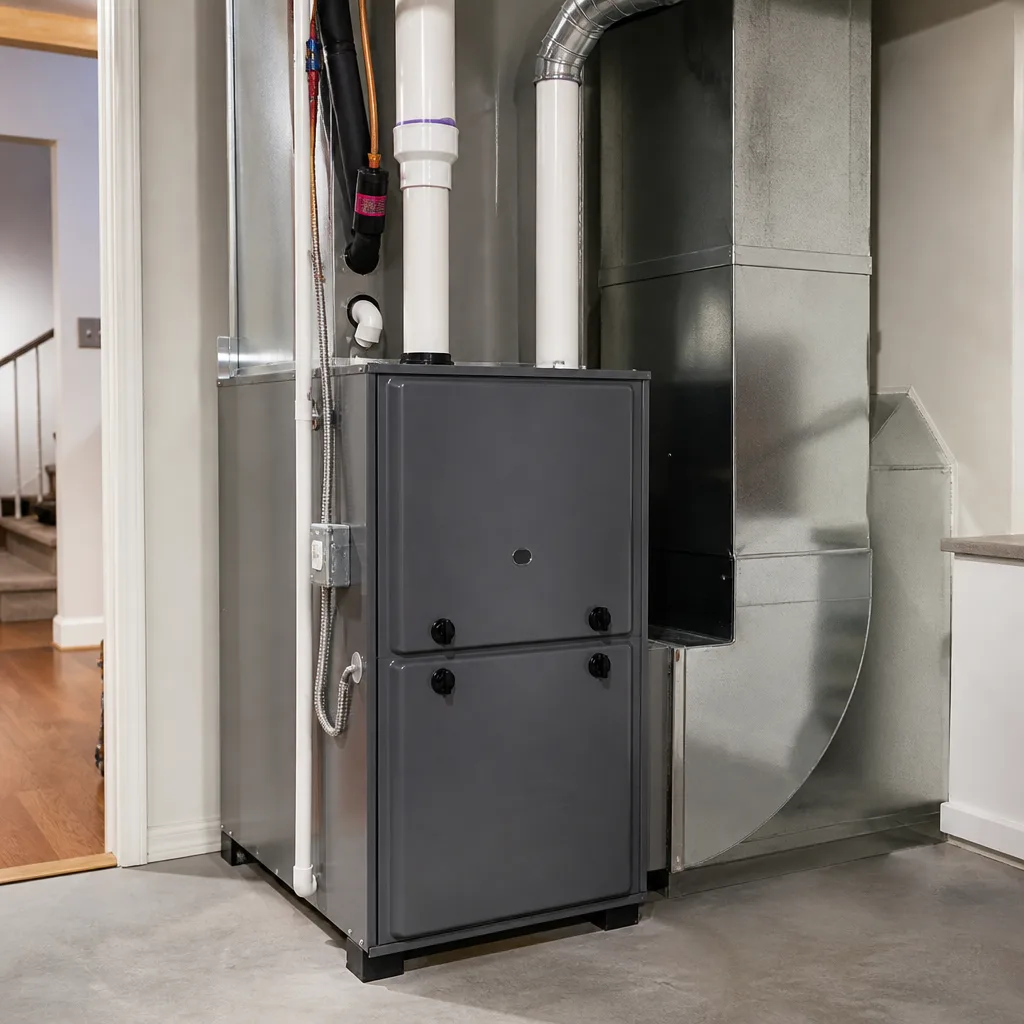 Furnace & heating
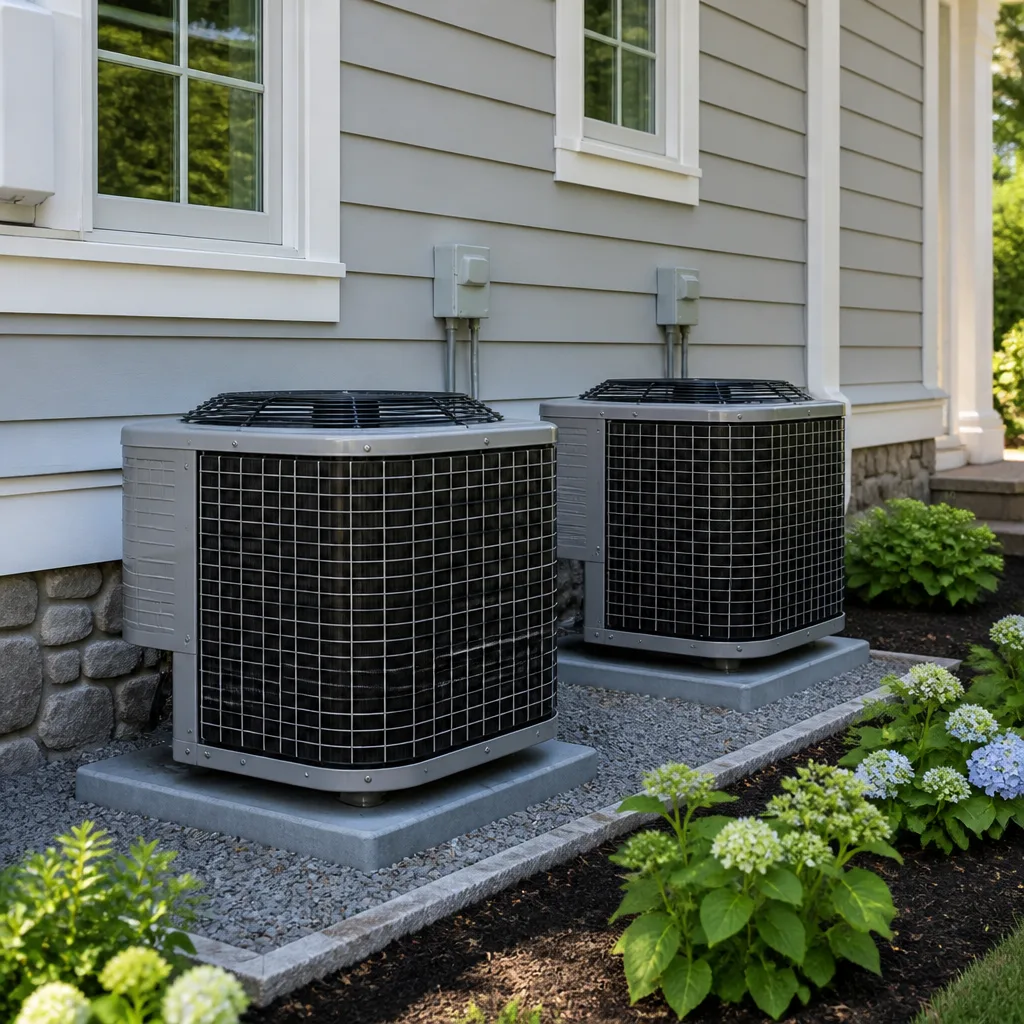 Heat pumps
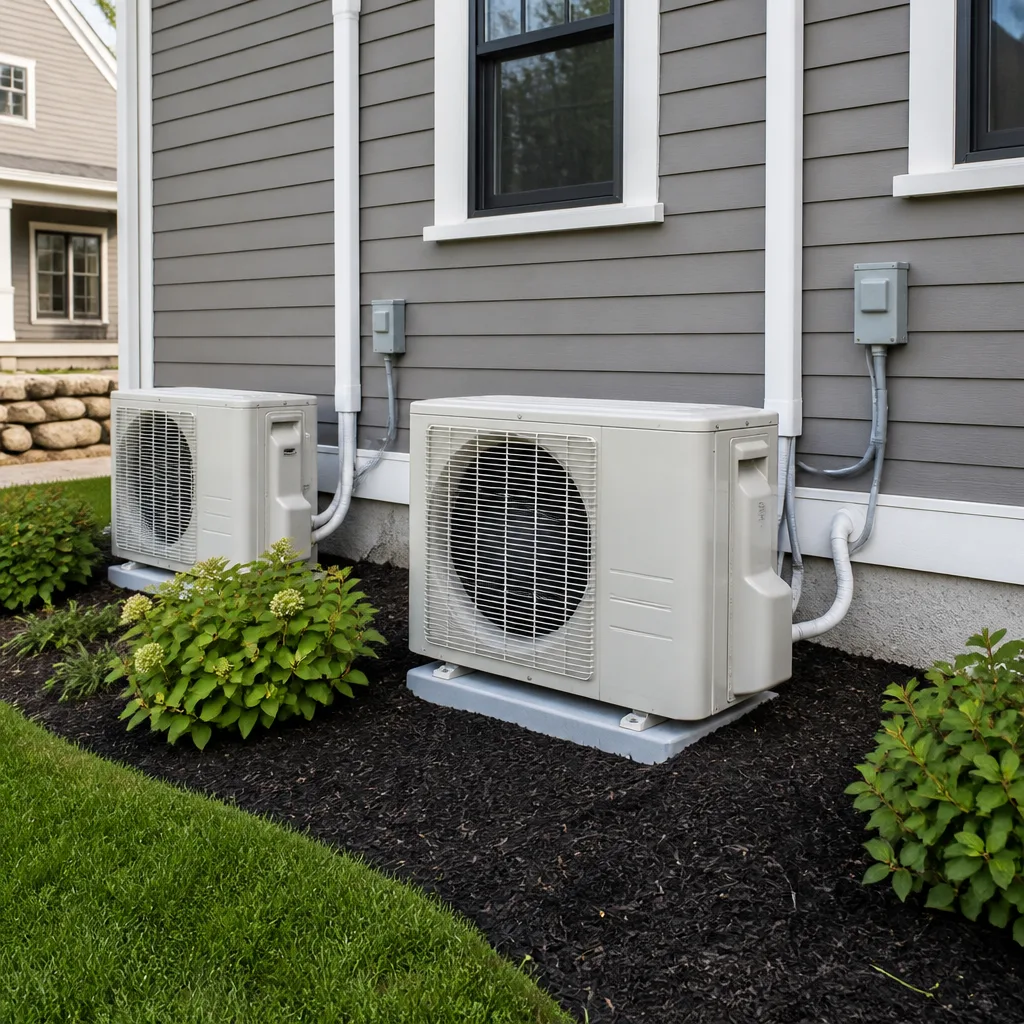 Ductless mini splits
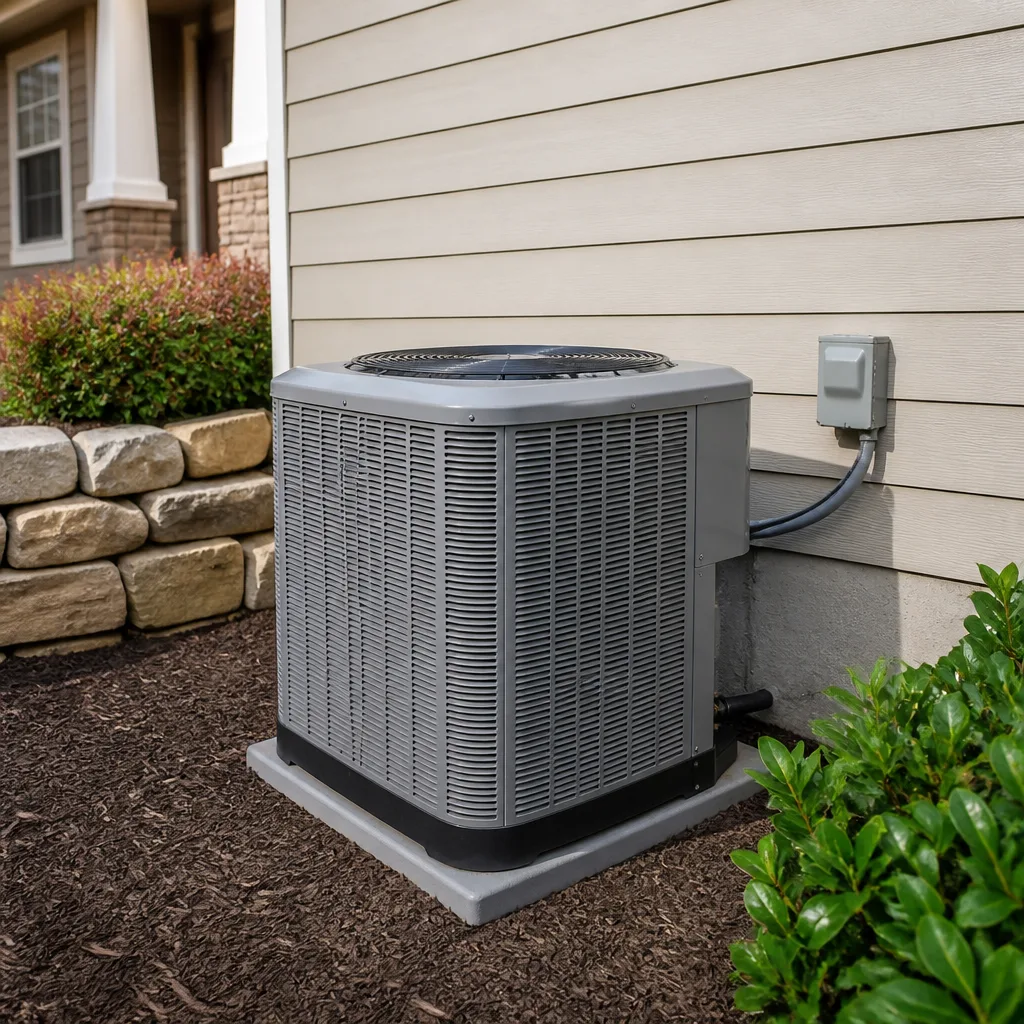 Carrier
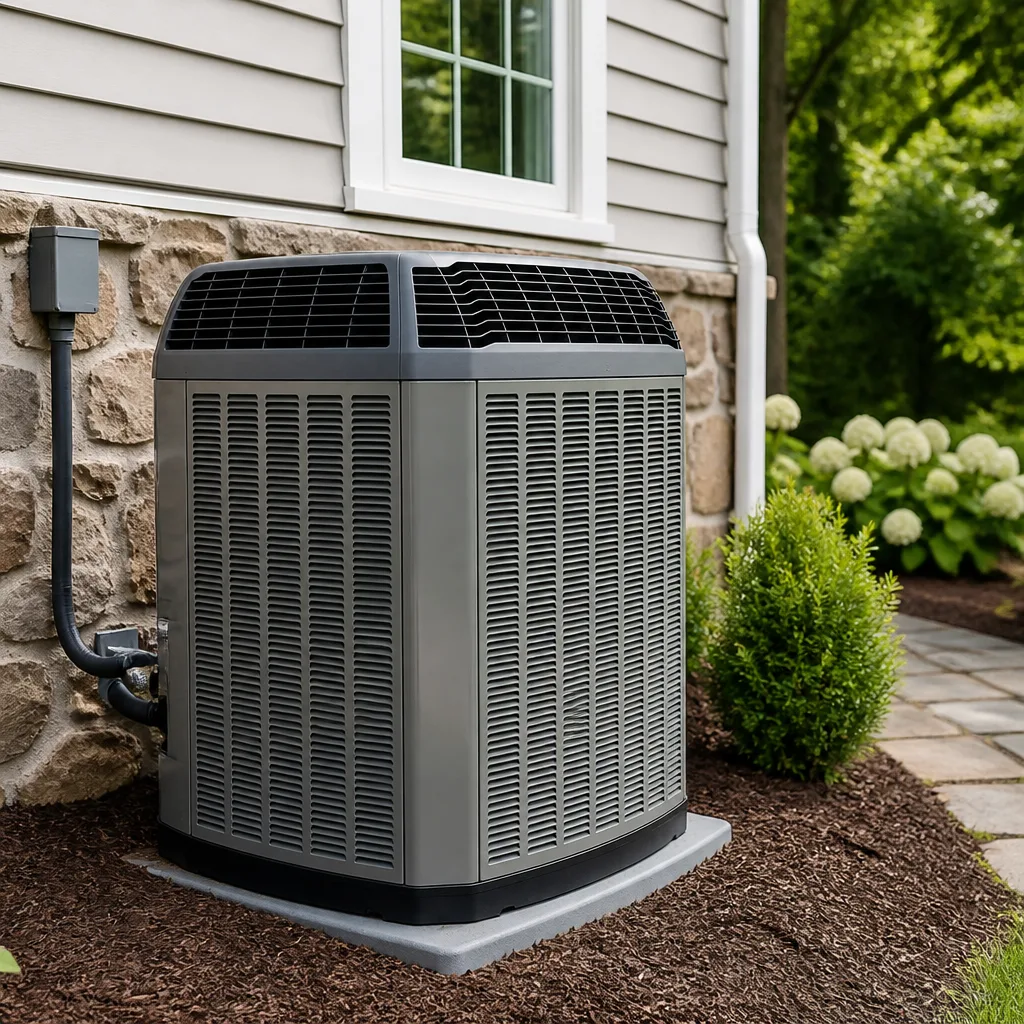 Trane
Trane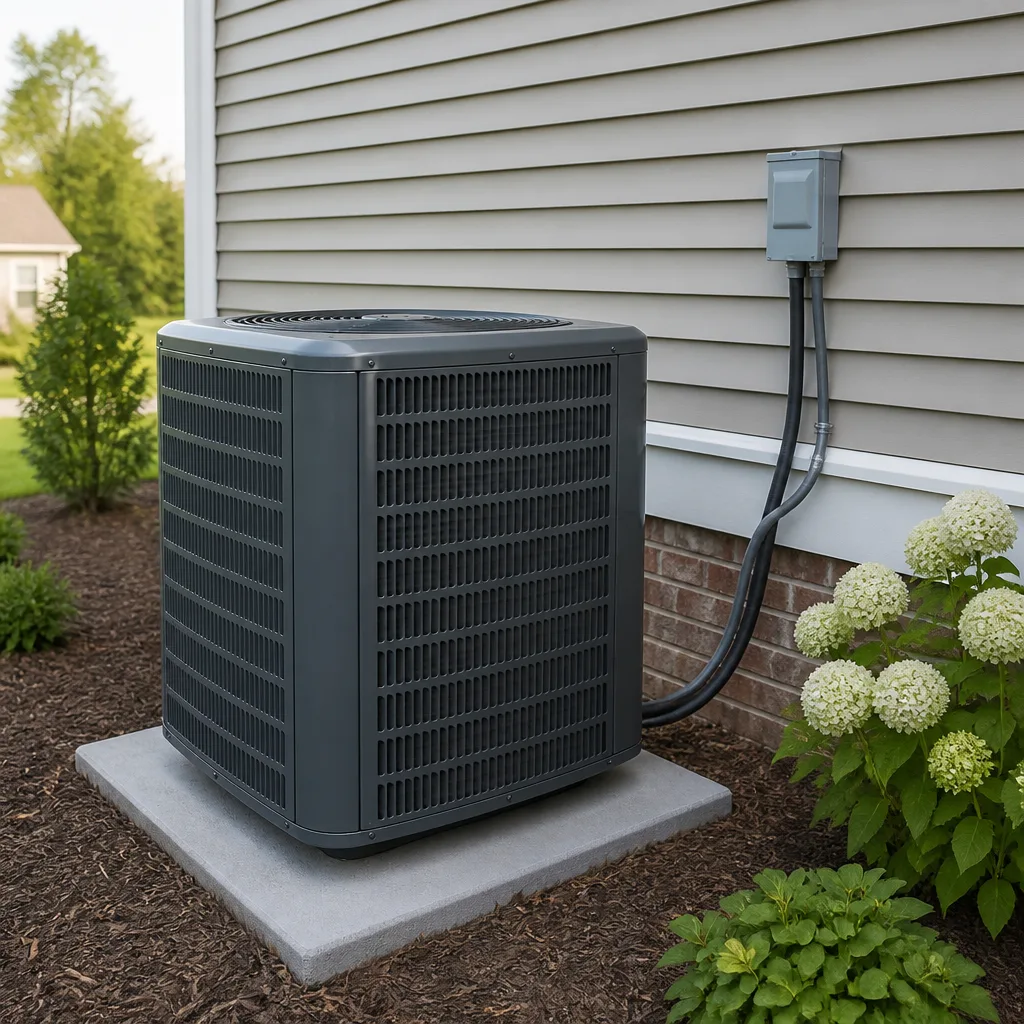 Goodman
Seasonal tune-up and full diagnostic on your Carrier, Trane, or Goodman system - readings shown to you before any repair is proposed
Diagnosis first, numbers second - you approve the repair price before a single part goes in.
Get your free estimateDIY vs Professional HVAC: The Alpharetta Homeowner’s Decision Guide
Replacing your own capacitor is legal, saves roughly $150, and takes about 20 minutes with a $12 part. Handling your own refrigerant without an EPA 608 certification is a federal violation with fines up to $44,539 per day, a fact buried in the comment section of every DIY refrigerant video. This guide draws the line between those two realities for Alpharetta homeowners, because the DIY-versus-pro HVAC question is almost never all-or-nothing. There’s a specific band of tasks that competent homeowners can and should handle themselves, and a hard line where DIY attempts in Georgia create legal liability and void manufacturer warranties that no YouTube tutorial mentions. We’ll show you exactly where that line sits.
Styles & brands we work with
Quick Answer
In Alpharetta, homeowners can safely handle filter changes, thermostat battery swaps, condensate drain flushes, and capacitor replacements with basic tools and proper precautions. Anything involving refrigerant, gas lines, electrical panel work, or compressor internals is legally restricted to licensed or certified professionals, and attempting it yourself can void your manufacturer warranty and create serious safety hazards. The smart play is a three-column approach: do the safe tasks, understand the risky ones, and never touch the professional-only work.
Table of Contents
- The Three-Column Task List: What You Can, Might, and Must Not Touch
- Capacitor Replacement: The One Repair Worth Doing Yourself
- How DIY Repairs Interact With Manufacturer Warranties
- What Professional-Only Actually Means in Georgia for Refrigerant Work
- The Honest Cost Comparison: When DIY Saves and When It Backfires
- Why Alpharetta’s Climate Makes Some DIY Choices Riskier Than Elsewhere
- Tools, Safety, and the One Mistake That Sends People to the ER
- Common Mistakes to Avoid
- When to Call a Professional
- Frequently Asked Questions
- The Bottom Line
The Three-Column Task List: What You Can, Might, and Must Not Touch
Every HVAC task falls into one of three columns. The column boundaries are set by Georgia code, federal EPA rules, and manufacturer warranty language, not by how confident you feel after watching a tutorial. Here’s the full breakdown as it applies to Alpharetta homes.
Column One: Homeowner-Safe Tasks
These tasks require no special certification, no permit, and no risk of voiding your warranty when done correctly. They’re the tasks we recommend every Alpharetta homeowner learn, because they prevent most common service calls.
- Air filter replacement: Swap your filter every 30 to 90 days depending on household size and pet count. A clogged filter forces your blower motor to work harder, which shortens its life and drives up your Georgia Power bill. Cost: $8 to $25 per filter.
- Thermostat battery replacement: If your thermostat screen goes blank or the system won’t respond, check the batteries before calling anyone. Most thermostats take AA or AAA batteries behind a snap-off faceplate. Cost: $3 to $6.
- Condensate drain flush: The PVC pipe near your indoor unit carries condensation outside. Algae and mold grow in it during Alpharetta’s humid summers, causing clogs that trigger float switches and shut the system down. Pour a cup of white vinegar through the drain line every 60 to 90 days. Cost: about $2.
- Outdoor unit coil cleaning: Cut power to the unit at the breaker, remove the fan guard, and gently rinse the condenser coil with a garden hose using low pressure. Do not use a pressure washer, which folds the aluminum fins flat and ruins the coil. Cost: free if you own a hose.
- Capacitor replacement: Covered in depth below, this is the one repair where a $12 part and 20 minutes of careful work replaces a $180 to $300 service call.
Column Two: Homeowner-Permissible But Risky
These tasks are legal for a homeowner to attempt, but the margin for error is thin and the consequences of a mistake are expensive. We put these in the “understand the risk before you start” column.
- Thermostat upgrade: Swapping a basic thermostat for a smart one is legal, but wiring mistakes can blow the low-voltage fuse on your control board or, worse, damage the board itself. If you have a heat pump, the O/B wire configuration matters in a way most generic instructions gloss over. Many Alpharetta homeowners with heat pumps call us after a smart thermostat install goes sideways. Cost of a botched install: $150 to $400 for a board repair.
- Contactor replacement: The contactor is the switch that turns your outdoor unit on. Replacing it is legal, but you’re working inside the electrical panel of the condenser, and a mis-wired contactor can short the system. If you don’t own a multimeter and know how to use it, this column is not for you.
- Duct sealing in accessible areas: Sealing visible duct seams in an unfinished basement or crawlspace with mastic or foil tape is legal and often worthwhile. The risk is sealing the wrong way and trapping moisture, or disturbing asbestos wrap in older Alpharetta homes built before 1980.
Column Three: Legally or Technically Professional-Only
These tasks are not a matter of skill. They’re a matter of law, code, or warranty terms. Attempting them as a homeowner carries fines, liability, or voided coverage.
- Refrigerant handling: Federal EPA 608 rules make it illegal to purchase, handle, or charge refrigerant without certification. Fines run up to $44,539 per day per violation. This includes adding refrigerant to a low system, recovering refrigerant, or even connecting gauges to a system in some interpretations. The rule exists because refrigerant vented to atmosphere depletes ozone and because improper charging destroys compressors.
- Gas furnace repair: In Georgia, any work on a gas line or gas valve requires a licensed contractor. A cracked heat exchanger or improperly adjusted gas valve can release carbon monoxide, which is odorless and lethal. This is not a skill problem. It’s a life-safety problem.
- Electrical panel work: Running a new circuit for a heat pump, mini-split, or emergency heat strip requires a permit and a licensed electrician in Alpharetta. The city inspects this work because fire risk is real.
- Compressor replacement: The compressor is the heart of the system, and replacing one requires refrigerant recovery, brazing, nitrogen purging, vacuum pumping, and precise charging. Every one of those steps is EPA-regulated or requires equipment that costs more than the repair itself.
- Heat exchanger inspection and replacement: A cracked heat exchanger is a carbon monoxide risk. Inspection requires a combustion analyzer or at minimum a visual inspection with the blower removed, and replacement requires disassembling the furnace.
Capacitor Replacement: The One Repair Worth Doing Yourself
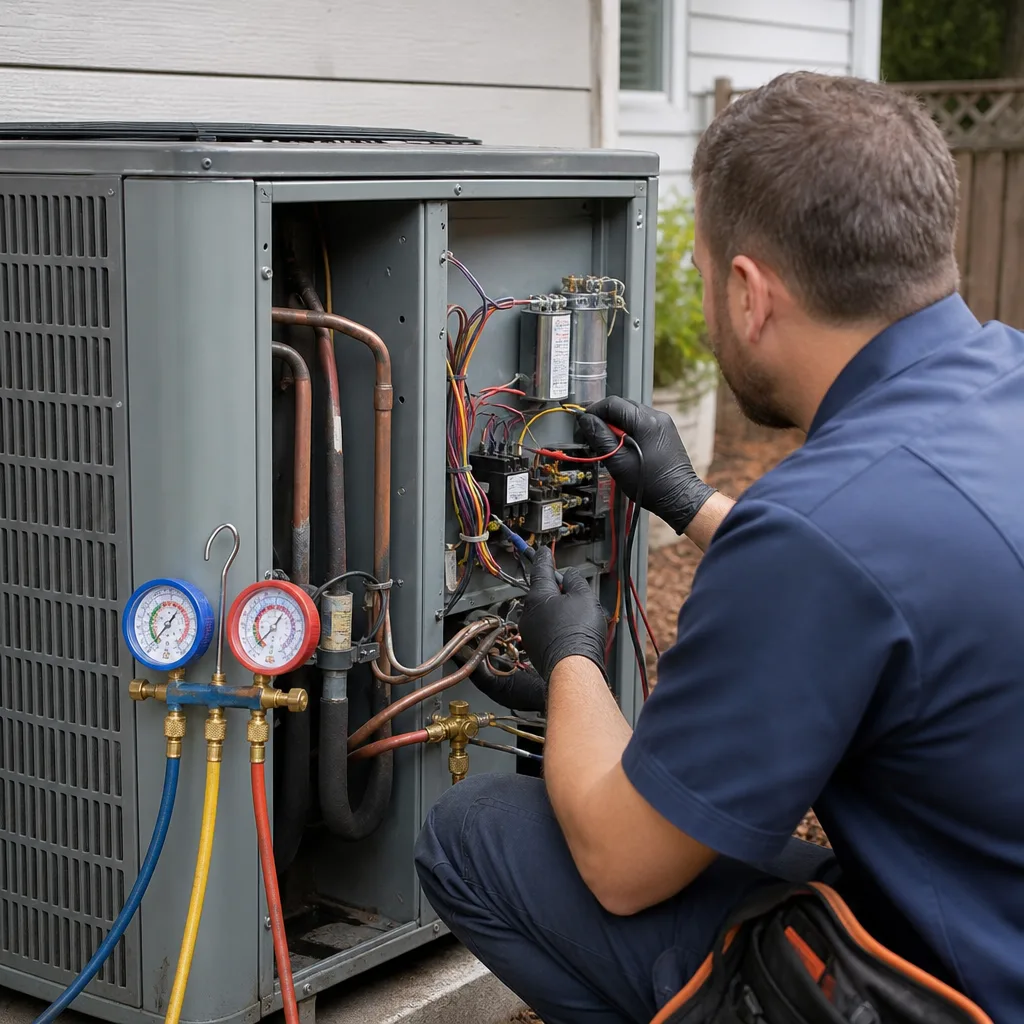
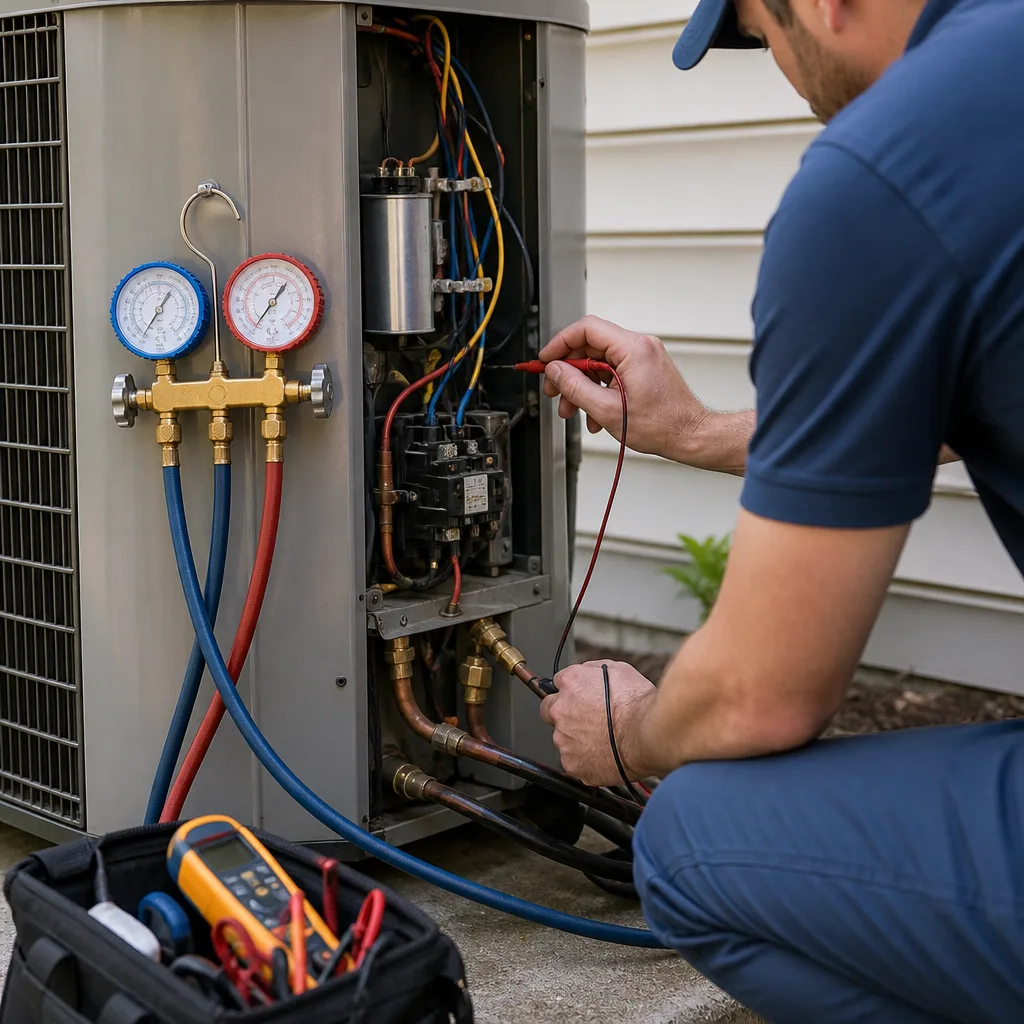
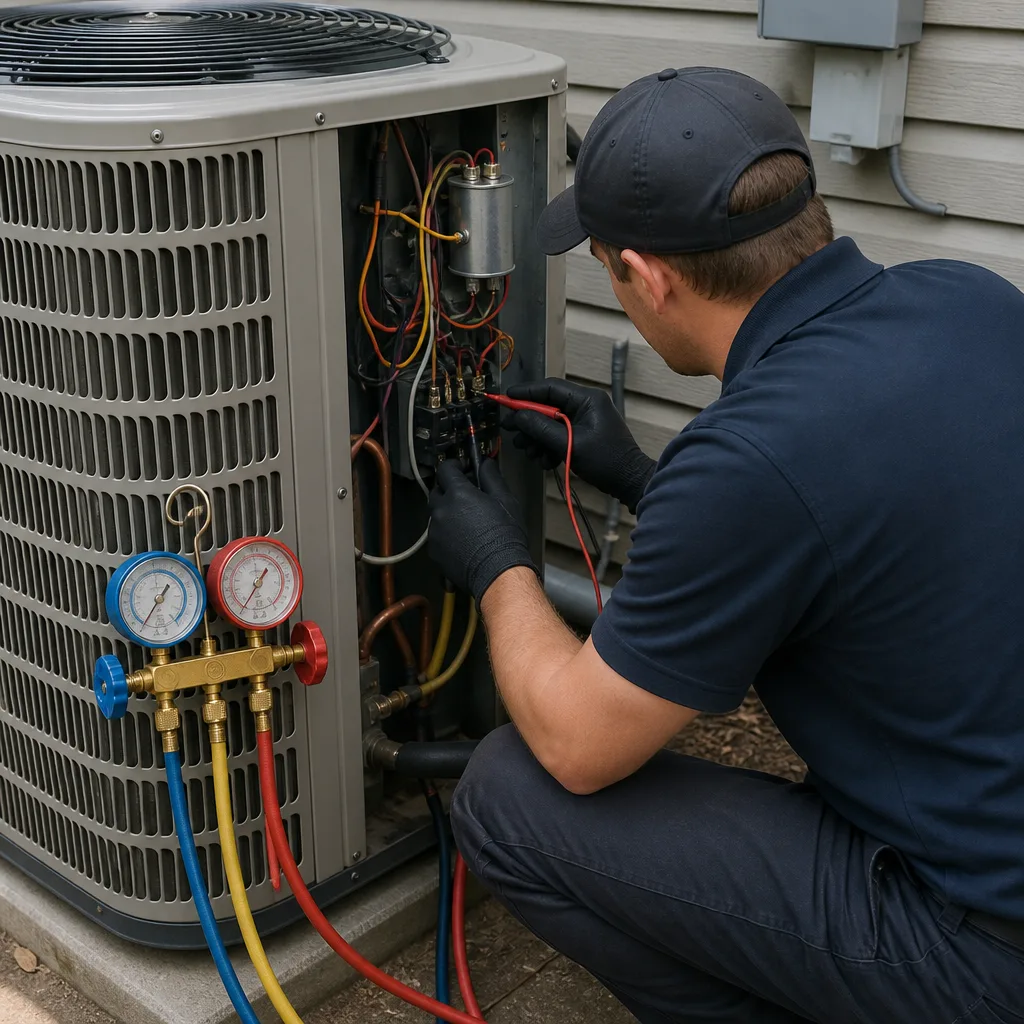
A capacitor is the small cylinder inside your outdoor condenser that stores the electrical charge needed to start the compressor and fan motor. When it fails, the most common symptom in Alpharetta is an outdoor unit that hums but the fan doesn’t spin, or the compressor clicks and won’t start. Capacitors fail more often in Georgia than in cooler states because heat is their primary killer, and Alpharetta’s attic-mounted and outdoor units bake in summer heat.
Replacing one is straightforward if you follow the procedure exactly. Here’s the step-by-step.
- Cut power at the breaker and at the disconnect box. The disconnect box is the small gray box mounted on the wall near your outdoor unit. Open it and pull the disconnect plug or flip the switch. Then kill the breaker inside your electrical panel. Double-check with a non-contact voltage tester.
- Remove the access panel. Most condenser panels come off with a 5/16-inch or 1/4-inch nut driver.
- Photograph the wiring before touching anything. Use your phone. The capacitor has terminals labeled C (common), FAN, and HERM (hermetic, meaning the compressor). Get clear photos of which wire color goes to which terminal.
- Read the MFD rating. The capacitor will have a rating printed on its side, something like 45/5 MFD or 40/5 MFD. The first number is the compressor capacitance, the second is the fan capacitance. You must match both numbers exactly, along with the voltage rating (typically 370V or 440V).
- Discharge the capacitor safely. Even with power off, a capacitor can hold a charge strong enough to hurt you. Use an insulated screwdriver to short across the terminals, or use a resistor discharge tool (about $10). Do not touch the terminals with bare hands before discharging.
- Remove the old capacitor and swap in the new one. Transfer the wires one at a time using your photo reference. A dual capacitor has three terminal groups; a single capacitor has two. Match wire to terminal, not to position.
- Reinstall the panel, restore power, and test. Flip the disconnect and breaker back on, then set your thermostat to cool. The fan should spin and the compressor should start within a few seconds.
The part costs $10 to $25 on Amazon or at a local supply house that sells to the public. The same repair through a professional runs $180 to $320 in Alpharetta, which includes the part, labor, and the guarantee. If you’re comfortable with basic electrical safety and you follow the steps above, this is the single best DIY repair in HVAC. If any step in that list makes you pause, do not push through it. Call a professional and watch how they do it-our How to Hire a HVAC Contractor in Alpharetta: A Step-by-Step Guide can help you choose the right one.
How DIY Repairs Interact With Manufacturer Warranties
This is the part most DIY tutorials conveniently skip. Major HVAC manufacturers, including Carrier, Trane, Lennox, and American Standard, write warranty language that allows them to deny coverage when equipment has been damaged by improper installation, maintenance, or repair. The specific language varies by brand, but the pattern is consistent: if a failed part shows signs of unqualified work, the manufacturer can deny the claim.
What this means in practice matters more than the legalese. A Carrier warranty, for example, typically covers the compressor for 10 years if the system was registered and properly installed. But if a homeowner replaces a capacitor incorrectly and the compressor overheats as a result, the compressor failure is considered consequential damage from improper repair, not a warrantable defect. The homeowner is now paying $1,800 to $3,500 for a new compressor that would have been covered.
Trane’s warranty language requires service by a qualified technician in some scenarios, particularly for compressor replacements. Lennox explicitly excludes damage caused by unauthorized repair. American Standard, which is manufactured by the same parent company as Trane, uses similar exclusions. The takeaway is not that you can’t touch your system at all. Filter changes and thermostat batteries do not affect warranty coverage. But any repair that touches electrical components, refrigerant circuits, or gas systems creates a paper trail of risk. If a subsequent failure can be traced to the DIY work, the warranty becomes worthless for that claim.
We’ve seen this in Alpharetta more times than we’d like. A homeowner replaces a capacitor, wires it backward, and burns out the compressor start winding. The manufacturer denies the compressor claim. The $150 savings becomes a $2,500 expense. If you’re going to DIY, stay in Column One, or do Column Two tasks only after you’ve confirmed exactly how the warranty applies to your specific unit. Your warranty paperwork has the specifics, and the manufacturer will answer questions if you call their homeowner support line.
What Professional-Only Actually Means in Georgia for Refrigerant Work
Refrigerant is the fluid that carries heat out of your home. It’s also a controlled substance under Section 608 of the Clean Air Act, and the EPA’s enforcement in Georgia has not been a joke. The rule requires anyone who handles refrigerant in the course of maintaining, servicing, repairing, or disposing of air conditioning equipment to hold an EPA Section 608 technician certification. That includes adding refrigerant, removing it, or even connecting gauges to check the charge. There is no homeowner exemption.
The maximum fine is $44,539 per day per violation. The EPA has issued six-figure penalties against individuals and companies for venting refrigerant, and while the EPA generally targets contractors and building owners rather than individual homeowners, the liability is real. A homeowner who releases refrigerant into the atmosphere has broken federal law, and if a neighbor files a complaint, the homeowner is the one answering the phone call from the EPA regional office.
Beyond the legal exposure, there’s a practical reason refrigerant work requires certification: proper charging is a precision procedure. A system that’s 10 percent undercharged loses efficiency and shortens compressor life. A system that’s 10 percent overcharged can slug liquid refrigerant into the compressor and destroy it. You cannot charge a system correctly without a manifold gauge set, a temperature probe, a refrigerant scale, and the training to interpret superheat and subcooling readings. Most homes in Alpharetta need a specific refrigerant charge matched to the line set length and outdoor temperature, not a simple top-off from a can.
If you want to verify that any technician who works on your system holds the certification, ask for the EPA 608 card. It’s a wallet-sized card that every certified tech carries. At Dalton Heating & Air Alpharetta, every technician is EPA-certified and factory-trained on Carrier, Trane, Lennox, Goodman, Rheem, York, Daikin, Bryant, and American Standard systems. We’ll show you the card if you ask, and our prices are written down before any work begins, per The Garrison Standard.
The Honest Cost Comparison: When DIY Saves and When It Backfires
The math on DIY versus professional HVAC work in Alpharetta is straightforward once you separate the tasks by column. Here’s the real numbers, not the optimistic ones from DIY blogs.
Where DIY Genuinely Saves Money
- Filter replacement: DIY cost: $8 to $25. Professional cost: $75 to $120 for the service call plus the filter. Savings: $50 to $100 every 1 to 3 months. Over a year in a home with pets, that’s $400 to $600.
- Condensate drain flush: DIY cost: $2 for vinegar. Professional cost: $150 to $250 for a drain line clearing. Savings: $150 to $250 per occurrence, and Alpharetta’s humidity means drain clogs happen once or twice a year.
- Thermostat battery swap: DIY cost: $3 to $6. Professional cost: $90 to $150 for a service call that turns out to be batteries. Savings: up to $145 per occurrence, and this is one of the most common “no cooling” calls we get.
- Capacitor replacement: DIY cost: $12 to $25 for the part. Professional cost: $180 to $320. Savings: $160 to $300 per occurrence, assuming the diagnosis is correct and the install is clean.
Where DIY Backfires in Alpharetta
- Misdiagnosed capacitor failure: Homeowner replaces a capacitor, system still won’t start, the real problem is a failed compressor or a broken wire. Now the homeowner has spent $25 on a part, several hours of time, and still pays the $180 to $320 service call. Net loss: $25 plus the frustration.
- Smart thermostat mishap on a heat pump: Homeowner wires the O/B terminal wrong, the heat pump runs in cooling mode when it should heat. The homeowner doesn’t notice until the first cold snap in January. By then, the auxiliary heat strips have been running for weeks and the Georgia Power bill is $400 higher. Plus the service call to fix the wiring. Net loss: $500 plus.
- Drain line damage from a hardware store snake: Homeowner runs a drain snake or compressed air through a PVC condensate line, punctures the line, and now there’s water damage in the ceiling below the attic unit. Repair cost: $800 to $2,500 for drywall, paint, and line replacement, not including the original clog. Net loss: $800 plus.
- The DIY condenser coil cleaning gone wrong: Homeowner uses a pressure washer on the condenser coil, folds the aluminum fins flat, and air can’t flow through. The system overheats, the compressor fails, and the repair is $2,000 to $3,500. Net loss: catastrophic, and completely avoidable.
The pattern is clear. DIY wins on maintenance tasks and simple part swaps where the diagnosis is visually obvious. DIY loses when the diagnosis is wrong, when the repair touches regulated systems, or when the task requires specialized tools. Before you start any repair, ask yourself: if this doesn’t work, what’s my next step? If the answer is “call someone anyway,” you may be better off calling first and avoiding the detour. For honest guidance on what’s worth doing yourself, AC Repair in Alpharetta articles cover the common failure patterns we see most often.
Why Alpharetta’s Climate Makes Some DIY Choices Riskier Than Elsewhere
Alpharetta sits in the humid subtropical zone, which means three climate realities shape every HVAC decision you make. First, summer heat runs from May through September, with daytime highs in the 90s and humidity that makes the air feel 10 degrees hotter. Second, the shoulder seasons are short, which means systems switch from heating to cooling with little rest. Third, freeze events happen, even if winters are generally mild, and the January cold snaps catch systems that have been idling in heat mode for months.
This climate means HVAC systems in Alpharetta run more total hours per year than systems in cooler or drier climates. More run hours means more wear on capacitors, contactors, and blower motors, and more opportunities for drain lines to clog from the constant condensation of summer. It also means that a DIY mistake happens on a system that’s already working hard, which is why a botched repair in Alpharetta tends to fail at the worst possible moment: a heat wave in August or a freeze in January.
There’s also the pollen factor. Alpharetta’s spring pollen season coats outdoor coils with a yellow film that reduces airflow and drives up energy costs. Cleaning that coil is a homeowner-safe task if done gently, but the timing matters. If you wait until the pollen is caked and hardened, you need a proper coil cleaner, not just a garden hose. We recommend coil cleaning in late spring after the worst of the pollen has passed, and again in early fall before the leaves start dropping.
One more local consideration: Alpharetta’s housing stock includes everything from new construction in the Windward and Halcyon areas to older homes near downtown with original ductwork and aging systems. The older the system, the more careful you should be about DIY work. A 20-year-old unit with a rusty cabinet and a pitted coil is not a good candidate for homeowner repairs. Systems that old are near the end of their service life, and parts fail in cascades. That’s when you want a professional to do an honest assessment of whether repair or replacement makes more sense. Our Dalton Heating & Air Alpharetta home page has more on how we handle those assessments.
Tools, Safety, and the One Mistake That Sends People to the ER
Before you attempt any Column One or Column Two task, you need the right tools and the right safety habits. The tool list is short. An insulated screwdriver set, a nut driver set (1/4-inch and 5/16-inch), a non-contact voltage tester, a multimeter if you’re doing electrical work, and safety glasses. That’s it. Most homeowners already own three of the five.
The safety rules are even shorter, and they exist because HVAC equipment is one of the few things in your home that combines high voltage, high amperage, pressurized systems, and spinning blades in a small metal box.
- Cut power at the breaker and the disconnect. Never trust the thermostat setting. The thermostat is a switch, not a disconnect. Kill power at the breaker inside your panel and at the disconnect box outside before opening any unit.
- Test before you touch. Use a non-contact voltage tester on the wires and terminals before your hands get near them. Capacitors hold charge after power is cut. Discharge them with an insulated screwdriver or a resistor tool.
- Never work on a gas line or gas valve. Even if you’re “just checking for a leak,” a gas leak is an emergency, not a DIY project. Gas work in Georgia requires a licensed contractor, and the reason is that a mistake kills people in their sleep.
- Never open the sealed refrigerant circuit. The line set, the coil, the compressor, the reversing valve: these are all part of the sealed refrigerant system. Opening it requires EPA 608 certification and specialized equipment. There is no homeowner exception.
- Do not clean coils with a pressure washer. The fins on a condenser coil are thin aluminum. A pressure washer folds them flat in seconds, and a flattened coil cannot exchange heat. The repair is a coil replacement at $400 to $800 in parts and labor.
The one mistake that sends people to the hospital more than any other in HVAC is working on energized equipment. It happens when a homeowner cuts power at the thermostat instead of the breaker, or when they forget the disconnect box entirely. A 240-volt shock from a condenser is not a mild tingling sensation. It’s a potentially fatal event. If you’re going to work on your system, follow the power safety steps every single time, no matter how small the task. There is no repair on the planet worth a trip to the emergency room.
Common Mistakes to Avoid
- Misdiagnosing the capacitor as the problem. Most “my AC won’t start” calls in Alpharetta are not capacitor failures. They’re tripped float switches from clogged drains, failed contactors, or dead thermostats. If you replace a capacitor and the system still won’t start, stop and call someone who knows what they’re looking at, or you’ll be replacing parts until you find the real issue.
- Using a pressure washer on condenser coils. This mistake folds the fins flat and ruins the coil. It’s one of the most expensive avoidable repairs we see in Alpharetta, and it happens every spring when homeowners try to blast pollen off their outdoor unit.
- Ignoring the O/B wire on heat pump thermostat swaps. A heat pump’s reversing valve is controlled by the O or B wire, and if it’s configured wrong, the system heats when it should cool and cools when it should heat. You won’t notice until the temperature in your house starts moving the wrong way.
- Attempting refrigerant work without EPA 608 certification. The fine is up to $44,539 per day, and the damage a wrong charge does to a compressor is real. Just don’t.
- Skipping the power kill step. Every year, homeowners in Georgia are injured working on systems that still have power. Cut it at the breaker and the disconnect, and test with a voltage tester before touching anything.
- Not checking manufacturer warranty language before attempting a repair. A botched capacitor install that kills a compressor turns a $180 repair into a $3,000 compressor replacement that the manufacturer won’t cover. Read the warranty terms before you open the panel.
- Calling a no-show contractor after a DIY attempt fails. If your repair doesn’t work, you need someone who answers the phone and shows up. Dalton Heating & Air Alpharetta is a Garrison Partners company operating under The Garrison Standard since 2003, which means a live person answers 24/7 and the price is in writing before work begins. No voicemail queue, no callback window, no price changed at the door.
When to Call a Professional
Call a professional the moment your repair crosses from Column One into anything involving refrigerant, gas, or electrical panel work. Call when you’ve replaced the capacitor and the system still won’t start, because a failed start with a good capacitor points to a compressor problem or a wiring fault, not a quick fix. Call when you smell gas, when your carbon monoxide detector goes off, when the system trips a breaker repeatedly, or when you see ice on the outdoor unit in Alpharetta’s summer heat, because low refrigerant is not a DIY recharge and the underlying leak needs to be found and fixed, not topped off. Dalton Heating & Air Alpharetta offers free estimates in Alpharetta for any of these situations. Call (229) 537-2086 and a real person answers, 24/7, per The Garrison Code.
Frequently Asked Questions
Yes, replacing a capacitor is legal for homeowners in Georgia and is one of the safest DIY HVAC repairs when done correctly. The part costs $10 to $25, and the procedure takes about 20 minutes if you cut power properly, photograph the wiring, match the MFD rating exactly, and discharge the old capacitor before touching terminals. If any step feels unclear, call us at (229) 537-2086 and we’ll walk you through whether it’s worth doing yourself.
No. Adding refrigerant to any air conditioning system requires an EPA Section 608 technician certification, and there is no homeowner exemption. The maximum fine is $44,539 per day per violation, and the practical risk is damaging your compressor with an incorrect charge. Call a licensed HVAC company with EPA-certified techs for this work.
It can, if the manufacturer can link the DIY work to the failure. Carrier, Trane, Lennox, and American Standard all have warranty language that excludes damage caused by unauthorized repair or improper maintenance. Filter changes and thermostat battery swaps will not void a warranty, but a mis-wired capacitor that kills a compressor likely will, and the compressor claim could be denied.
Most furnace and AC repairs in Alpharetta run $150 to $450 depending on the part. Capacitors run $180 to $320, contactors run $150 to $300, and blower motors run $350 to $750. Diagnostic fees typically run $70 to $120, and at Dalton Heating & Air Alpharetta, the diagnostic fee is waived if you proceed with the repair. Every repair includes a written price before work begins and a written one-year guarantee under the 365-Day Done Right Promise.
Air filter replacement, thermostat battery swaps, condensate drain flushes with vinegar, gentle outdoor coil rinsing with a garden hose, and capacitor replacement are all homeowner-safe when done with the proper power and safety steps. Tasks involving refrigerant, gas lines, electrical panel work, or compressor internals are professional-only in Georgia.
Yes. Dalton Heating & Air Alpharetta is a Garrison Partners company that has operated under The Garrison Standard since 2003, which means a live person answers the phone 24/7 and dispatches technicians inside a set window with written pricing before any work starts. Call (229) 537-2086 for same-day service in most of Alpharetta, including windward, downtown, and the surrounding area.
That decision depends on the repair cost, the age of the system, and the condition of the major components. A good rule is that if the repair cost multiplied by the system age in years exceeds $5,000, replacement usually makes more financial sense. Our team handles Heat Pump Installation in Alpharetta and Furnace Repair in Alpharetta, and we’ll give you an honest assessment either way, because our techs are not paid on what they sell.
The Bottom Line
The DIY-versus-pro HVAC question has a clear answer, and it’s not all-or-nothing. Do the Column One tasks yourself: filters, batteries, drain flushes, gentle coil rinses, and capacitor swaps if you’re comfortable with basic electrical safety. Understand the Column Two tasks, and only attempt them if you have the right tools and the right training. Never touch Column Three: refrigerant, gas, electrical panel work, or anything inside the sealed system. The line between these columns is drawn by Georgia code, federal EPA rules, and manufacturer warranty language, not by confidence or YouTube tutorials. For details on the regulatory side, read HVAC Permits, Codes & Inspections in GA: What You Need to Know. Respect the line, save money where you safely can, and call a professional the moment the job crosses it. Dalton Heating & Air Alpharetta is here when you need us, with written pricing, a live person on the phone 24/7, and a full-year written guarantee on every repair, per The Garrison Standard.
Written by Marco Benitez, Owner at Dalton Heating & Air Alpharetta, serving Alpharetta since 2003.
See the difference
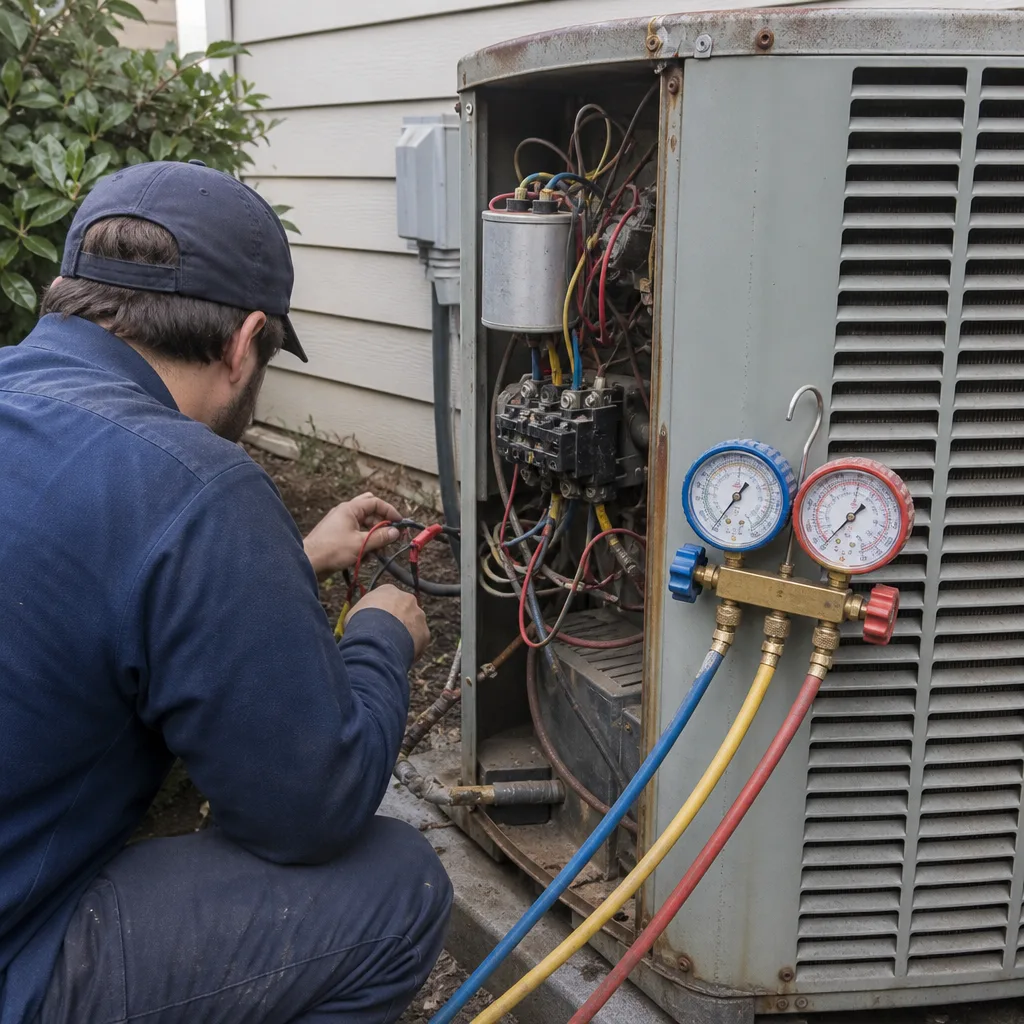 Before
 After
After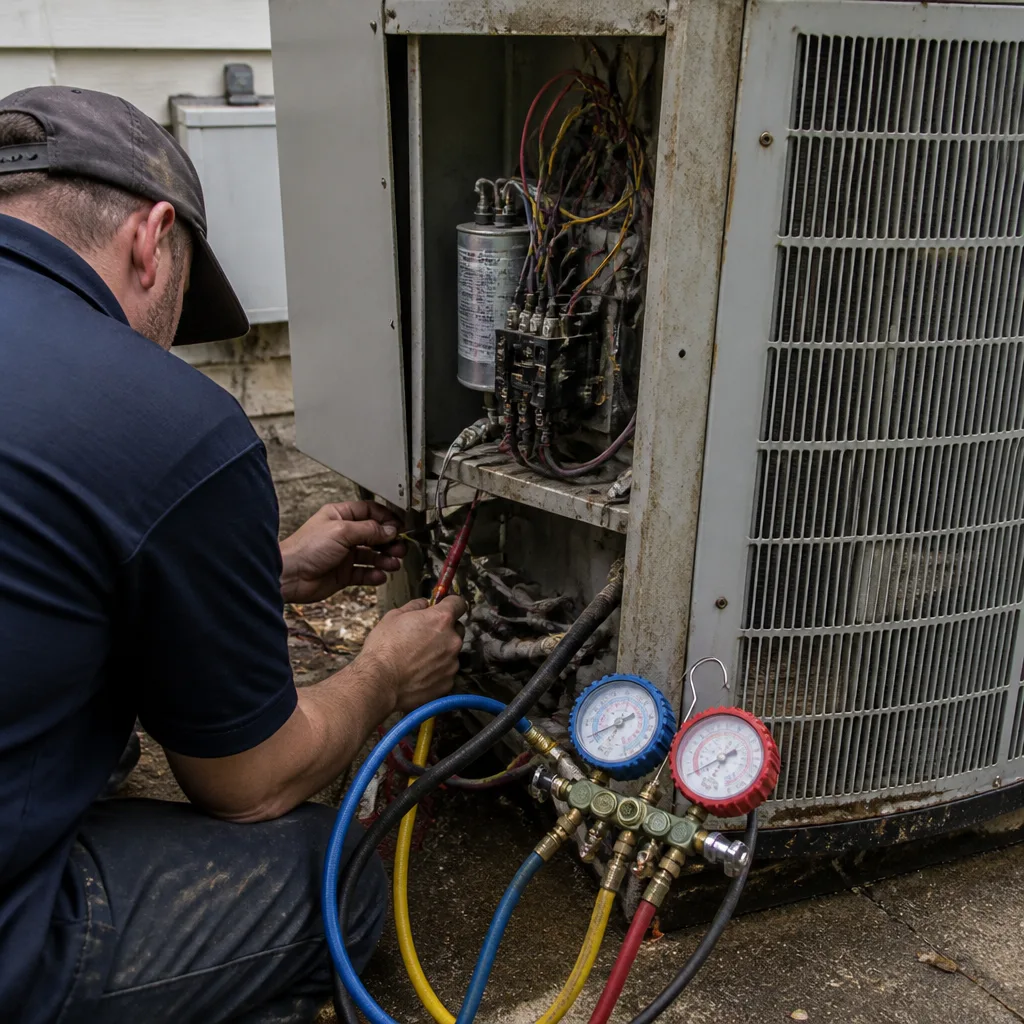 Before
 After
After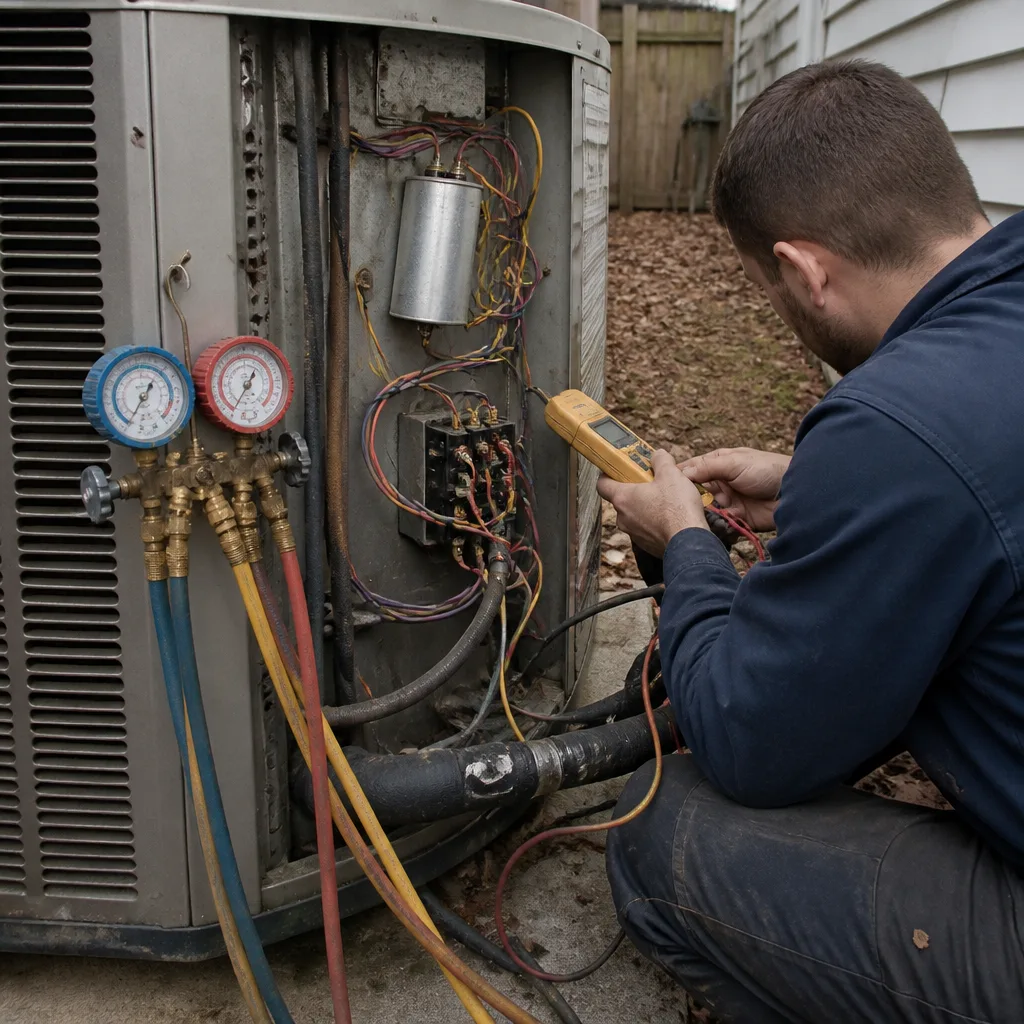 Before
 After
After