
Last updated October 16, 2026
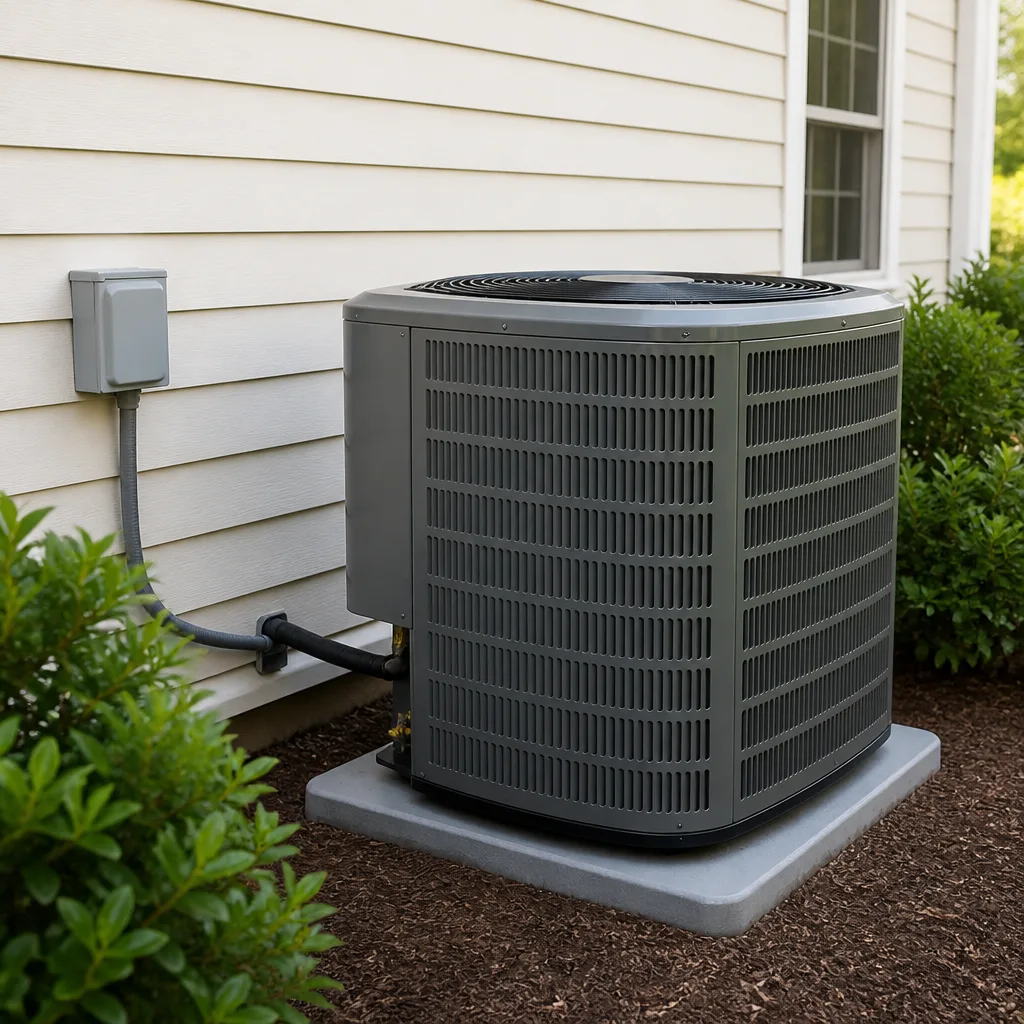 AC repair
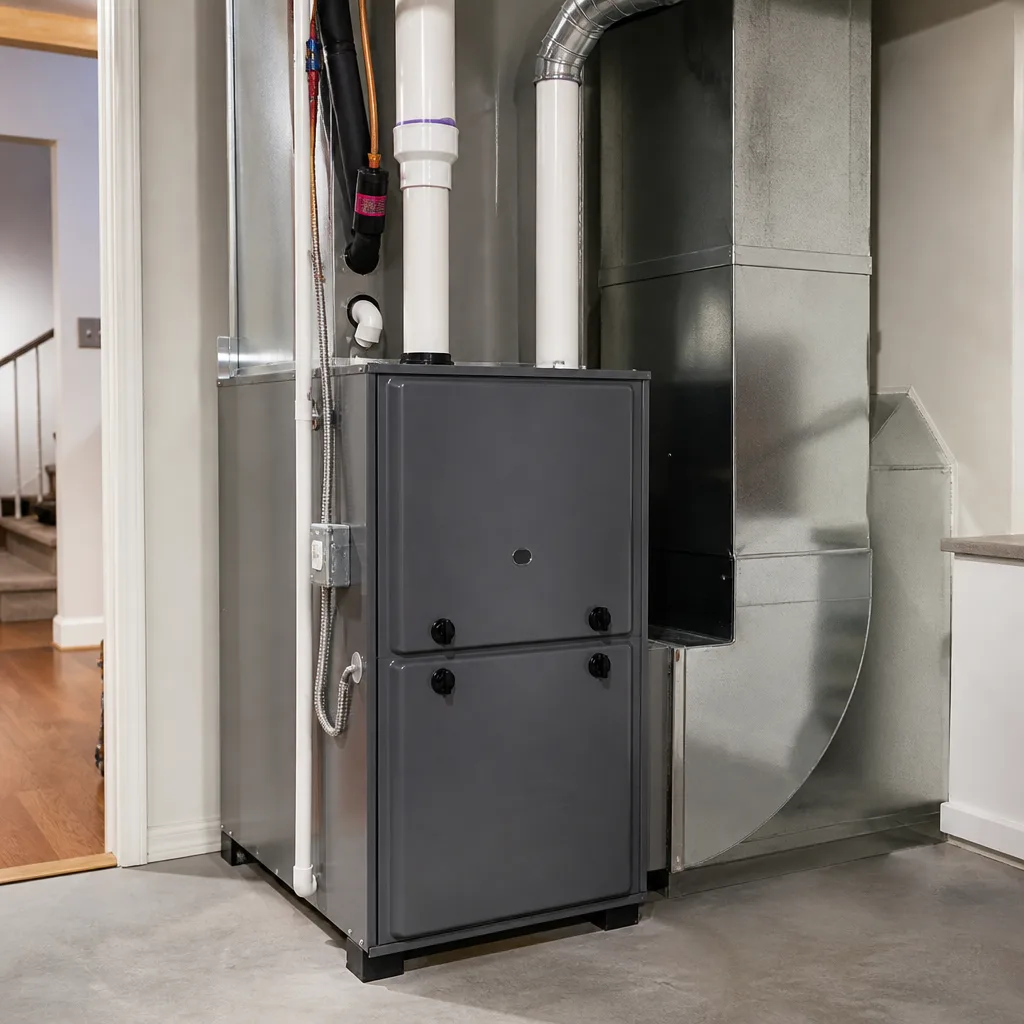 Furnace & heating
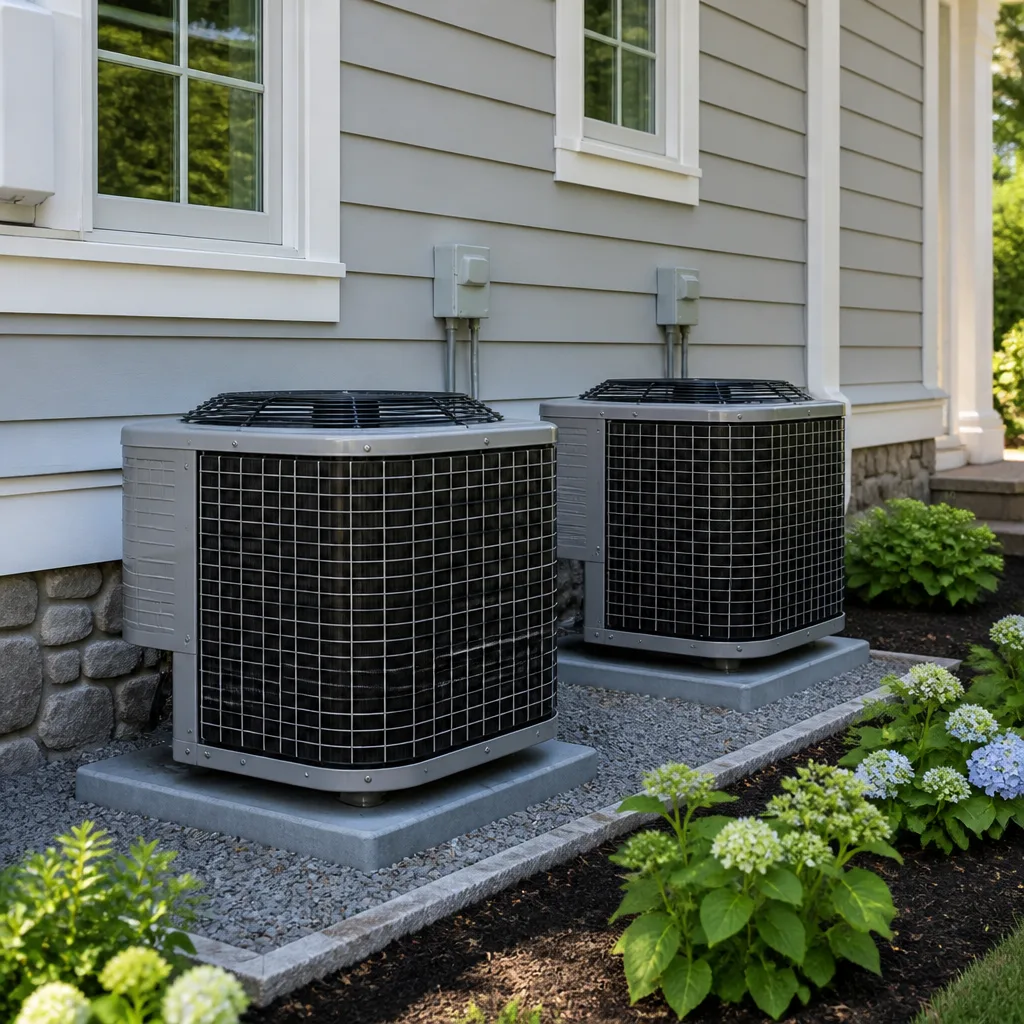 Heat pumps
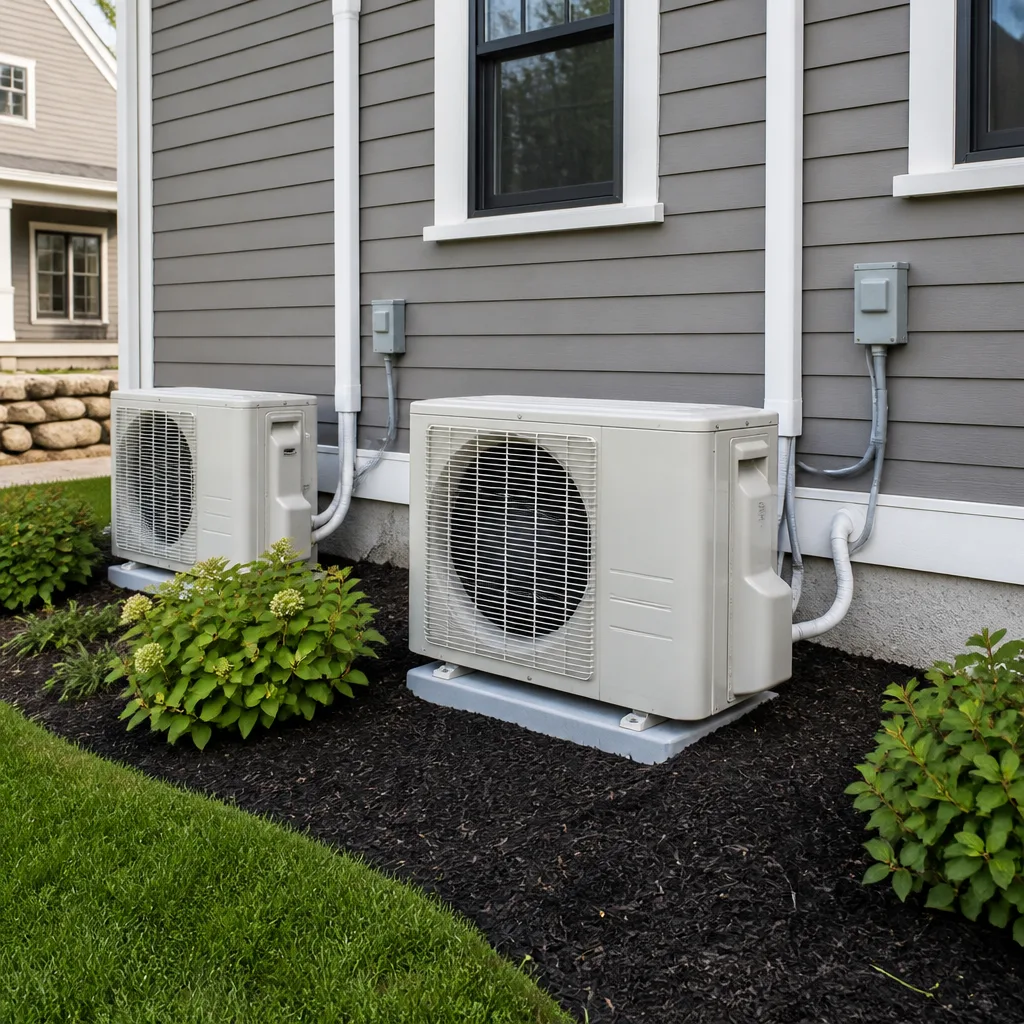 Ductless mini splits
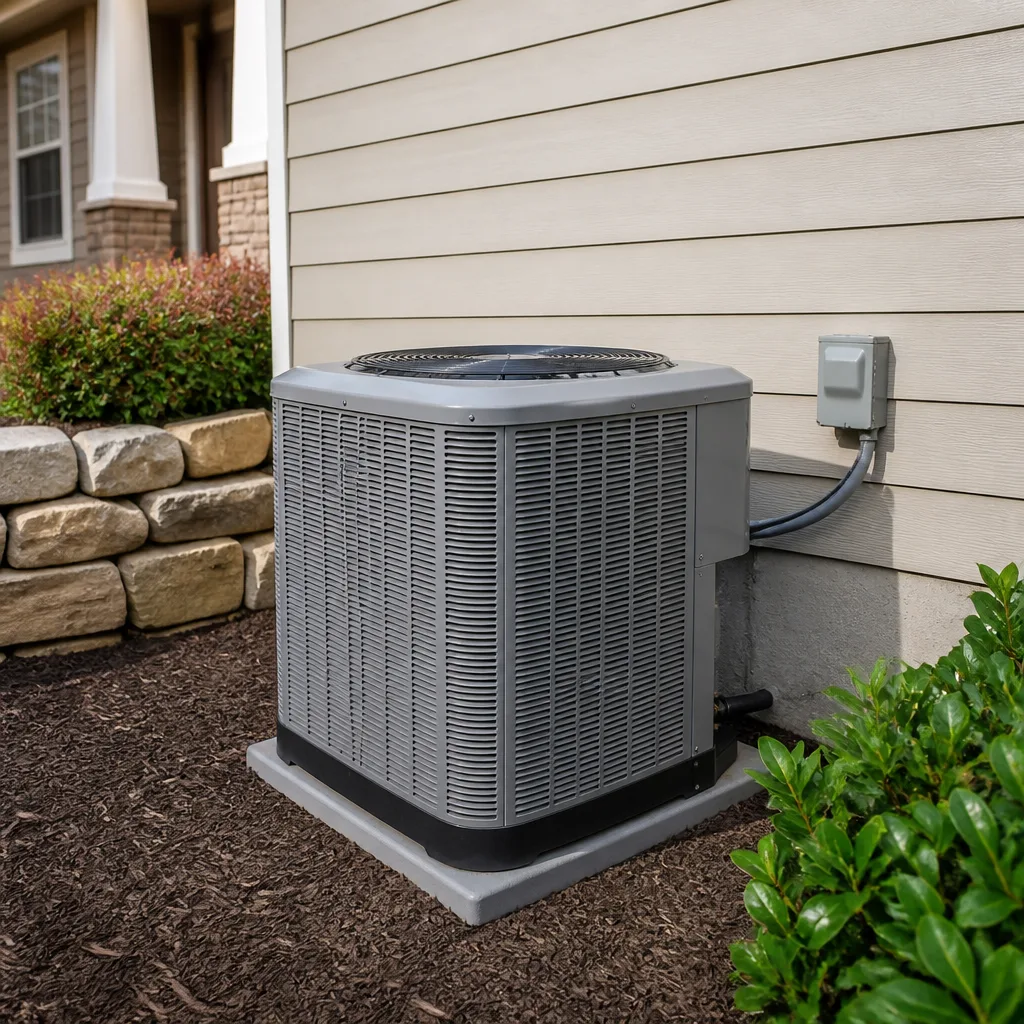 Carrier
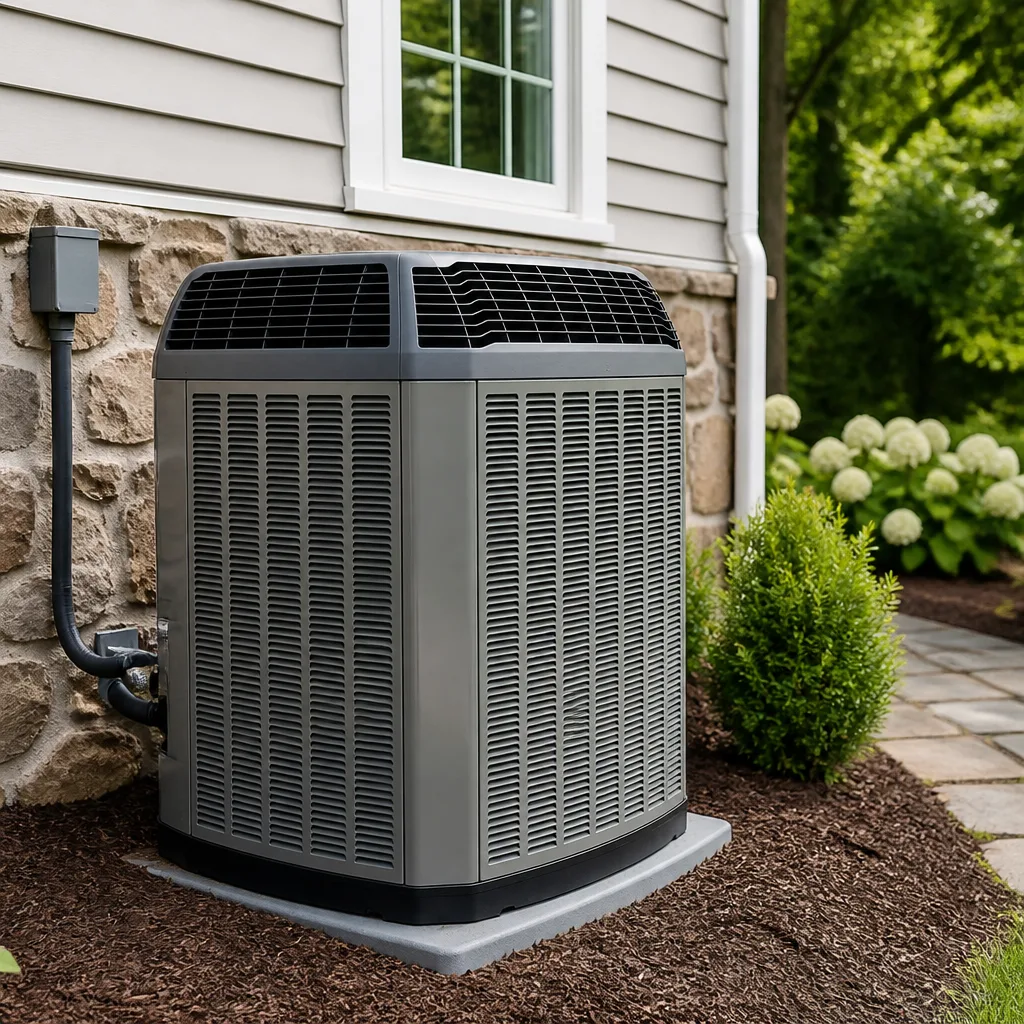 Trane
Trane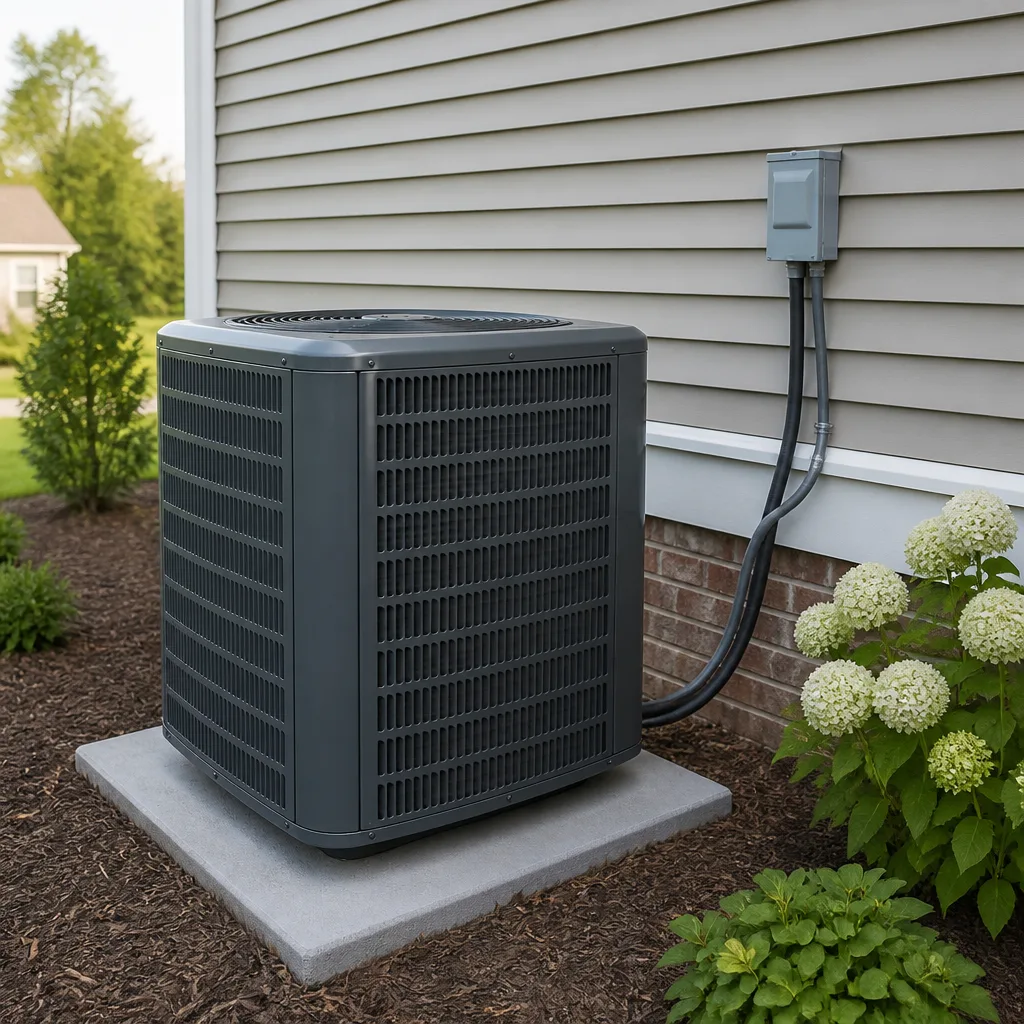 Goodman
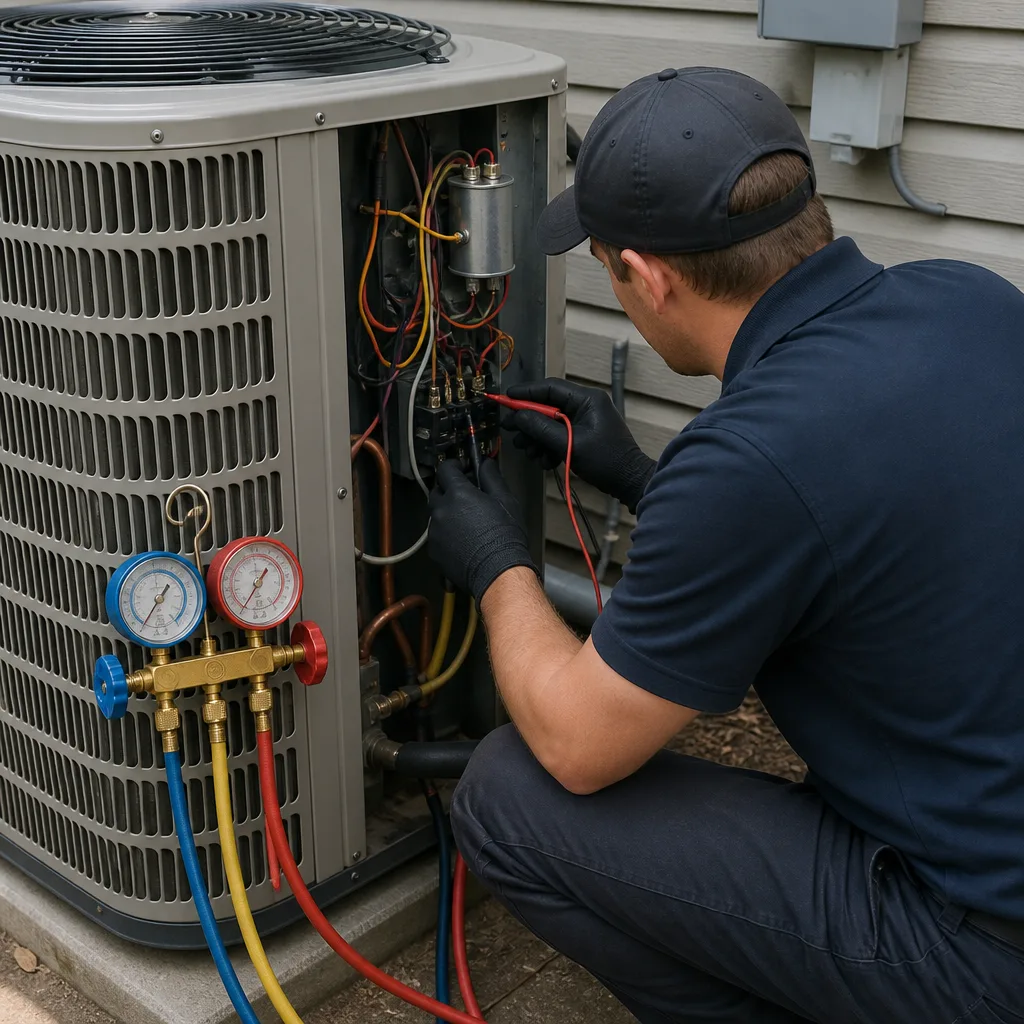
Seasonal tune-up and full diagnostic on your Carrier, Trane, or Goodman system - readings shown to you before any repair is proposed
Diagnosis first, numbers second - you approve the repair price before a single part goes in.
Get your free estimateHow to Hire a HVAC Contractor in Alpharetta: A Step-by-Step Guide
Here’s a fact most Alpharetta homeowners don’t learn until after a bad install: Georgia does not require HVAC contractors to hold a state-issued license. The only credential the state mandates is a low-voltage electrical license for thermostat wiring, which costs a few hundred dollars and takes a weekend. That means the barrier to showing up in Alpharetta with a van, a logo, and a pricing sheet is lower than most people assume. This guide-and more guides & resources on our blog-walks you through a structured vetting process that separates contractors on documented behavior, not sales performance, because the difference between the two is often a $5,000 to $15,000 mistake.
Styles & brands we work with
Quick Answer
To hire a qualified HVAC contractor in Alpharetta, skip the license check (Georgia doesn’t require one) and instead verify EPA 608 certification, written pricing before any work starts, a written repair guarantee that names its start date and coverage terms, and a documented permit history with Fulton County. Get three quotes, ask the five screening questions below, and never sign under sub-24-hour pressure. Dalton Heating & Air Alpharetta offers free estimates for AC repair, furnace repair, and heat pump installation at (229) 537-2086.
Table of Contents
- The Georgia Licensing Reality: What Actually Matters
- Five Questions to Ask Before a Technician Enters Your Home
- How to Read a Contractor’s Fulton County Permit History
- What a Written Repair Guarantee Should Actually Specify
- Red Flags Specific to the Alpharetta HVAC Market
- The Step-by-Step Hiring Process
- Common Mistakes to Avoid
- When to Call a Professional
- Frequently Asked Questions
- The Bottom Line
The Georgia Licensing Reality: What Actually Matters
Georgia’s licensing landscape for HVAC work is surprisingly thin. The state does not issue a general HVAC contractor license, which surprises homeowners who assume a license means the state has vetted the contractor’s technical skill. It has not. What Georgia does require is a state electrical contractor license, but only in the low-voltage category, and only for the thermostat wiring portion of the job. Many HVAC companies in Alpharetta operate with just this credential plus a local business license from Fulton County.
So what should you actually verify? Two certifications carry real weight because they test technical competence and are administered by independent bodies:
- EPA 608 Certification – Required by federal law for any technician who handles refrigerant. Without it, a technician cannot legally add or remove refrigerant from your system. Ask for the technician’s EPA 608 card. It has a number, and you can verify it with the EPA. This one matters because refrigerant handling mistakes damage equipment and violate federal law.
- NATE Certification – North American Technician Excellence is the HVAC industry’s only independent, third-party testing body. A NATE-certified technician has passed a written exam covering real system diagnostics, not just sales talking points. It is not legally required, but it separates technicians who study the trade from technicians who learn on your dime.
What sounds official but has no enforcement teeth? A “certified” badge from a manufacturer loyalty program, a “licensed and insured” claim without documentation, and a Chamber of Commerce membership. Ask to see the actual documents. A legitimate contractor in Alpharetta will send you a copy of their insurance certificate and EPA card before the first visit. If they hesitate, that’s information.
We’ve also seen homeowners confused by “insured and bonded” claims. General liability insurance covers damage to your property. Bonding covers theft by employees. Neither verifies technical skill. Check both, but know what each check buys you.
Five Questions to Ask Before a Technician Enters Your Home
These five questions do more vetting in sixty seconds than most homeowners accomplish in a week of reading reviews. Ask them on the phone, before you schedule the visit. Write down the answers. A contractor who will not answer these questions on a recorded line is telling you something about how the invoice conversation will go.
- “Is your price in writing before any work starts?” This is the single most revealing question. If the answer is “we’ll see once we diagnose it” or “our tech will write something up on site,” you are dealing with a contractor whose final invoice may not match the quote. The answer you want is “yes, the price is in writing before we start, on every job, without exception.” Dalton Heating & Air Alpharetta operates under The Garrison Standard, which makes this non-negotiable: a written price before any work begins, always included, never a surprise.
- “What happens if your repair fails in 30 days, or 90 days, or a year?” Listen for the word “return.” A contractor with a real guarantee will describe a free return visit within a defined window. Dalton’s repair guarantee is written and covers a full year: if the work doesn’t hold, we come back at no charge. A contractor who gets vague here is telling you labor coverage will be contested.
- “Who is coming to my house, and have they passed a background check?” You’re letting a stranger into your home on a weekday morning. You should know their name before they ring the bell. Dalton sends background-checked, uniformed technicians on every call, and you know who is coming before they arrive. If a company won’t tell you who to expect, that’s a red flag.
- “Can you show me a permit pulled for a job like mine in Fulton County?” A contractor who pulls permits has a paper trail. A contractor who doesn’t is betting the inspector never looks. Fulton County’s online permit system is public. A legitimate contractor will have no problem showing you a recent permit number.
- “How fast can you get here if the repair fails in July?” Alpharetta summers hit the mid-90s with humidity. A failed AC in that weather is a health risk, not an inconvenience. Ask for a stated response-time commitment in writing. If the guarantee says “we’ll make it right” but won’t say “we’ll be back within 24 hours,” that’s a weaker promise than it sounds.
One more thing worth knowing: the written pricing question matters more in Alpharetta than in some other markets because refrigerant costs swing. A contractor who quotes you a refrigerant recharge price over the phone, then re-quotes at the door after reading the gauge, is normalizing a pricing model where the price tracks what they think you’ll pay, not what the job costs. Written pricing before work starts is the only model that protects you from that.
How to Read a Contractor’s Fulton County Permit History
Permit records-something covered in detail in our guide to HVAC Permits, Codes & Inspections in GA: What You Need to Know-are the closest thing to a public paper trail you can pull on an HVAC contractor before you hire them, and most homeowners never look. Fulton County’s online permit system is free to search. Here’s the step-by-step process for checking a contractor’s permit history in Alpharetta:
- Go to the Fulton County Community Development permit search portal.
- Enter the contractor’s business name, not the owner’s name. Search variations: “Dalton Heating”, “Dalton HVAC”, “Dalton Heating and Air”.
- Filter by permit type: mechanical, HVAC, or heating/cooling. You’re looking for permits tied to equipment replacement or installation, not electrical work.
- Look at the date range. A contractor who has pulled permits consistently for three or more years is operating with some discipline. A contractor with zero permits or a gap that matches their entire claimed history is not pulling permits.
- Look for permit closures. An open permit means the job was never inspected and signed off. A closed permit with a passing inspection means work was checked by a county inspector.
What does a gap in permits signal? Three possibilities. One: the contractor does work without permits, which means no third party ever checks the install, which means code violations go uncaught until your system fails or your house gets flagged on resale. Two: the contractor is new and hasn’t built a history, which isn’t automatically disqualifying but is a reason to ask harder questions. Three: the contractor pulls permits under a different entity name, which some companies do to keep their official record clean. If you can’t find a permit history under any reasonable name variation, ask the contractor to provide a recent permit number directly.
One market-specific note: Alpharetta sits in north Fulton County, where the city has its own inspection requirements for some mechanical work. What gets pulled as a county permit in Milton might get pulled as a city permit in Alpharetta proper. Check both systems if you’re near the city limits. A contractor who knows which jurisdiction to pull from is one who does Alpharetta work regularly.
What a Written Repair Guarantee Should Actually Specify
A repair guarantee is only as good as what it puts in writing. “Guaranteed” spoken out loud costs nothing and binds no one. Before you hire, ask to see the actual guarantee language. Here’s what a real written repair guarantee specifies, line by line:
- Start date – The clock starts when the repair is completed, not when the estimate is written. If the guarantee says “one year” but the start date is fuzzy, the coverage window shrinks.
- Parts covered – Does the guarantee cover the specific part installed, or all parts touched during the repair? A capacitor replacement that fails because the contactor was also failing should be covered if the technician diagnosed the system as a whole. A guarantee that covers only the capacitor is narrower than it sounds.
- Labor included or excluded – This is where guarantees quietly die. “Parts covered for one year” with no mention of labor means you’ll get a free $40 capacitor and a $180 bill for the hour it takes to install it. The guarantee should state in plain English: labor is covered, no trip charge, no diagnostic fee.
- Response-time commitment – “We’ll come back” is not a commitment. “We’ll return within 24 hours, and if we don’t, we’ll pay for the callback” is a commitment. In Alpharetta’s summer heat, response time is the guarantee’s most important term. Dalton’s guarantee under The Garrison Code includes a stated response window and a free return visit if the repair fails within the guarantee period.
- What voids the guarantee – Legitimate exclusions exist: homeowner damage, a different contractor modifying the system, a missed maintenance appointment. A guarantee that lists no exclusions is fine, but a guarantee that lists every possible exclusion is effectively useless. Read the exclusions before you sign.
Dalton Heating & Air Alpharetta includes a written guarantee on every repair, not as an upgrade. It’s one full year, and if the repair fails in that window, the return visit is free. No fine print about trip charges. No labor exclusion. That’s the standard, in writing, before the work starts.
Red Flags Specific to the Alpharetta HVAC Market
Every market has its local scams and soft spots. Here are the patterns we’ve seen play out in Alpharetta specifically, and in the north Fulton County suburbs generally:
Bait-and-switch refrigerant pricing after diagnosis
A technician quotes you a recharge price over the phone, arrives, hooks up gauges, and announces that your system uses R-22, not R-410A, and R-22 is being phased out so the price is now triple. R-22 is indeed being phased out and its price has risen, but a knowledgeable technician can tell you the refrigerant type from the unit’s nameplate before they ever open the gauge manifold. If they quote one price and then discover a “surprise” refrigerant, they either didn’t look or they’re building the invoice.
Vague “system tune-up” line items
You hire a contractor for a repair. The invoice includes a $99 “system tune-up” with no description of what was cleaned, measured, or adjusted. Always ask for the tune-up to be itemized: coil cleaning, capacitor test, refrigerant level check, condensate line flush, amp draw measurement. If the line item can’t tell you what happened, assume nothing happened. A real tune-up produces a written report. Dalton technicians are not paid on what they sell, and the work report describes what was actually found and what was actually done.
Sub-24-hour pressure to sign
The quote arrives and the salesperson says the price is only good until tomorrow, or that another job in your neighborhood is bidding for the same crew slot. This is pressure, not pricing. A legitimate quote for an HVAC replacement in Alpharetta holds for at least two weeks. Equipment prices don’t swing day to day. If the price expires in 24 hours, walk. The urgency is manufactured, and the contractor who manufactures urgency is the contractor who needs it.
The “free inspection” that finds $3,000 in problems
A free second opinion is a legitimate offer, but the free inspection model sometimes pays its technicians on what they sell. The free inspection finds four issues, none of which you’ve ever noticed, and recommends a new system. Get any free inspection in writing, get a second opinion before authorizing a replacement, and ask whether the inspecting technician earns commission on upsells. If they do, the inspection isn’t free. It’s a sales call.
The Step-by-Step Hiring Process
Here’s the full process we recommend, in order. It’s written for an Alpharetta homeowner who wants to move from “I found a company online” to “the work is done and the paperwork is in my file” without second-guessing at any point.
Step 1: Gather three quotes, but structure them evenly
Call three contractors. Ask each for the same thing: a written price for the specific job you need, a copy of their insurance certificate, the name of the technician who will come out, and their guarantee terms. If you’re comparing quotes for an AC replacement, ask all three to quote the same efficiency tier and same brand family. A quote for a Goodman 14 SEER unit is not comparable to a quote for a Lennox 20 SEER unit. Dalton Heating & Air Alpharetta services Lennox, Goodman, Rheem, and York, among other major brands, so you can get an apples-to-apples comparison on the equipment line as well as the labor line.
Step 2: Verify the credentials
Pull the permit history. Check the EPA 608 card. Verify the insurance certificate is current and lists the business name, not an individual. Confirm the repair guarantee is in writing and specifies labor coverage. Ten minutes of verification prevents the two most common failure modes: untrained labor and uninsured property damage.
Step 3: Get the repair diagnosis in writing
Before authorizing any work, ask for a written description of what’s wrong and what will be done. This doesn’t need to be a novel. “Capacitor failed – replacing with like part. System tested and cycling normally after replacement.” That’s a complete diagnosis. If the diagnosis is vague, the work will be vague.
Step 4: Authorize the work in writing
Sign the written price. Keep the copy. This is your contract. In Georgia, a written authorization protects you if a dispute arises later. Verbal approvals are disputes waiting to happen.
Step 5: Inspect the finished work before paying
After the job, walk the work with the technician. Ask to see the old part that was removed. Confirm the system runs. Confirm the work area is clean. Accept the written guarantee. Then pay. A contractor who wants payment before you’ve seen the finished work is operating on trust, not documentation.
Step 6: File everything
Keep the written price, the written diagnosis, the invoice, and the guarantee in one folder. If the system fails again in eight months, that folder is the difference between a free return visit and a contested invoice. Dalton’s guarantee covers a full year under the 365-Day Done Right Promise, and the paperwork you file is what activates it.
Common Mistakes to Avoid
- Hiring the first contractor who answers the phone. Every contractor answers the phone. The difference is what they put in writing before they show up. Call three, ask the five questions, compare the answers.
- Comparing quotes by total price alone. A $7,800 replacement quote and a $9,200 replacement quote might be for completely different equipment tiers. Compare the equipment spec, the warranty terms, and the guarantee terms before comparing the dollar amount.
- Skipping the permit check. Public records are free and take five minutes. A contractor with no permit history in Fulton County is a contractor whose work has never been inspected by a third party.
- Accepting a verbal guarantee. “We stand behind our work” spoken aloud is worthless in a dispute. Get it in writing with a start date and a labor coverage statement.
- Paying the full balance before the work is done and cleaned up. Fifty percent deposits are normal for equipment replacements. Paying in full before the unit is running and the site is clean is not.
- Ignoring red flags because the technician was friendly. Friendliness is not a credential. A pleasant technician with no EPA card and a vague diagnosis is still an unqualified technician.
- Assuming a low price means a bad job and a high price means a good one. Price tracks the contractor’s overhead and sales strategy, not their workmanship. Verify the workmanship, then choose the price.
When to Call a Professional
Some HVAC situations you can observe and document. Others you shouldn’t touch. Call a professional the same day if you smell a burning odor from the system, if the breaker trips more than once after resetting, if the outdoor unit freezes over in summer, if the system is short-cycling (turning on and off every few minutes), or if the system is making a noise you’ve never heard before. Refrigerant leaks, electrical shorts, and gas furnace issues are not DIY territory. A trained tech with an EPA 608 card and proper diagnostic tools can identify the problem without guessing. Dalton Heating & Air Alpharetta offers free estimates in Alpharetta. Call (229) 537-2086 and a live person answers, 24/7. No voicemail queue. No callback window.
Frequently Asked Questions
No. Georgia does not issue a general HVAC contractor license. The state requires a low-voltage electrical license for thermostat wiring, and technicians who handle refrigerant are federally required to hold EPA 608 certification. When hiring in Alpharetta, verify the EPA card and check the contractor’s Fulton County permit history instead of asking for a license that doesn’t exist.
Most furnace and AC repairs in the Alpharetta market run $150 to $450 depending on the part, with capacitor and contactor replacements on the lower end and blower motor or control board work on the higher end. For a deeper dive, see our HVAC Cost Breakdown: The Alpharetta Homeowner’s Reference for 2026. Refrigerant recharges vary widely based on refrigerant type. Get a written price before any work begins, and call (229) 537-2086 for a free estimate with the price in writing.
If the system is under 10 years old and the repair is under $500, repair is usually the right call. If the system is over 15 years old and the compressor or heat exchanger has failed, replacement is typically the better financial decision. A straight answer on this question requires a diagnosis and a written repair quote to compare against the replacement cost. Call (229) 537-2086 for an honest assessment.
Response times vary by company and season. Ask for the response-time commitment in writing before you sign anything. Dalton Heating & Air Alpharetta answers every call with a live person, 24/7, and repairs are covered by a written guarantee that includes a stated response window if the work fails within the year. Call (229) 537-2086 for current scheduling.
Dalton Heating & Air Alpharetta is factory-trained to service nine major residential HVAC brands, including Lennox, Goodman, Rheem, York, Carrier, Trane, Bryant, Daikin, and American Standard. Whether you need AC repair or furnace work, the technicians are trained on your equipment line.
Every Dalton repair includes a written guarantee covering parts and labor for a full year, starting the day the repair is completed. If the repair fails within that year, Dalton returns at no charge. The guarantee is written, not verbal, and it’s included with every service call as part of The Garrison Standard. Call (229) 537-2086 for details.
The Bottom Line
Hiring an HVAC contractor in Alpharetta comes down to documentation. Georgia’s licensing gap means the state won’t protect you, so you protect yourself: verify the EPA certification, pull the Fulton County permit history, demand written pricing before any work starts, read the full guarantee terms, and walk away from any contractor who pressures you to sign in under 24 hours. The best contractors in this market document everything, put the price in writing, and stand behind their work for a full year. Dalton Heating & Air Alpharetta operates that way because The Garrison Standard requires it. Call (229) 537-2086 for a free estimate, and get the price in writing before any work begins.
Written by Marco Benitez, Owner at Dalton Heating & Air Alpharetta, serving Alpharetta since 2003.
See the difference
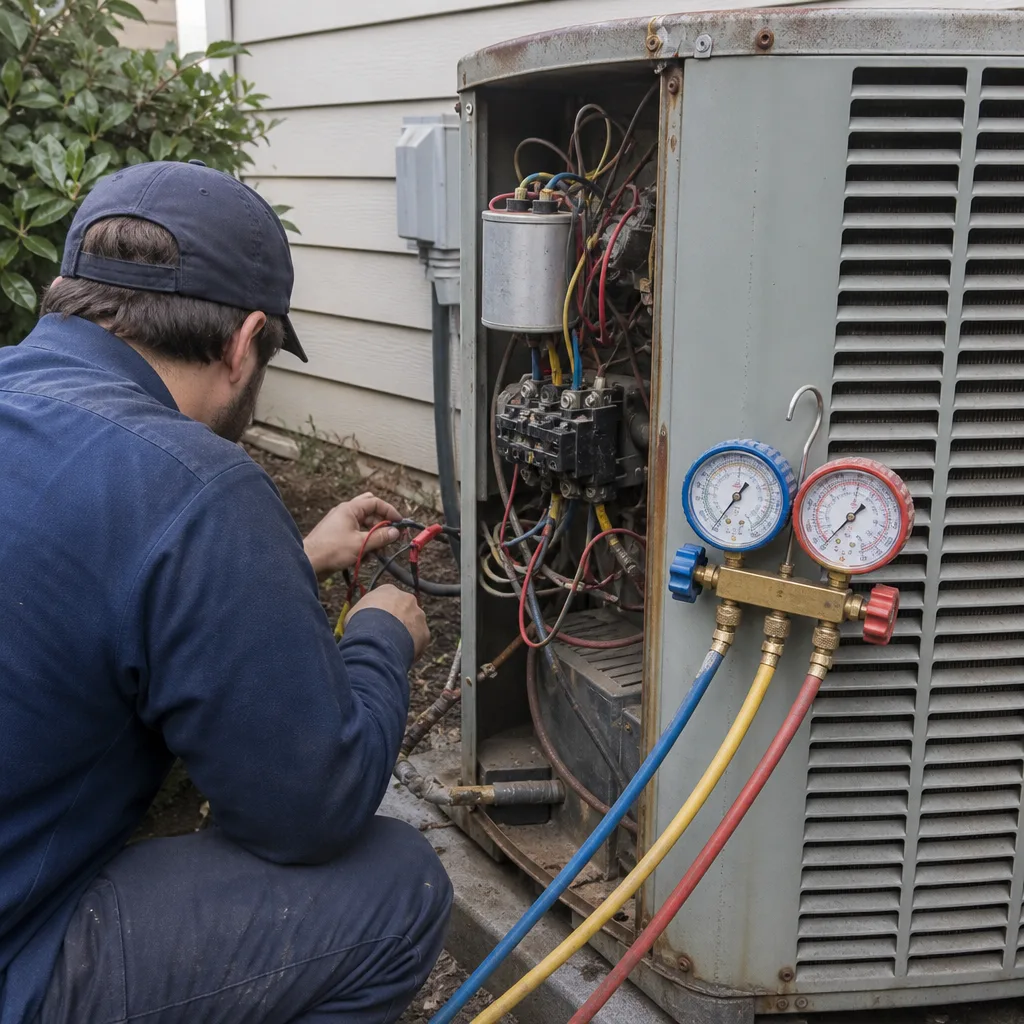 Before
 After
After Before
 After
After Before
 After
After