
Last updated October 16, 2026
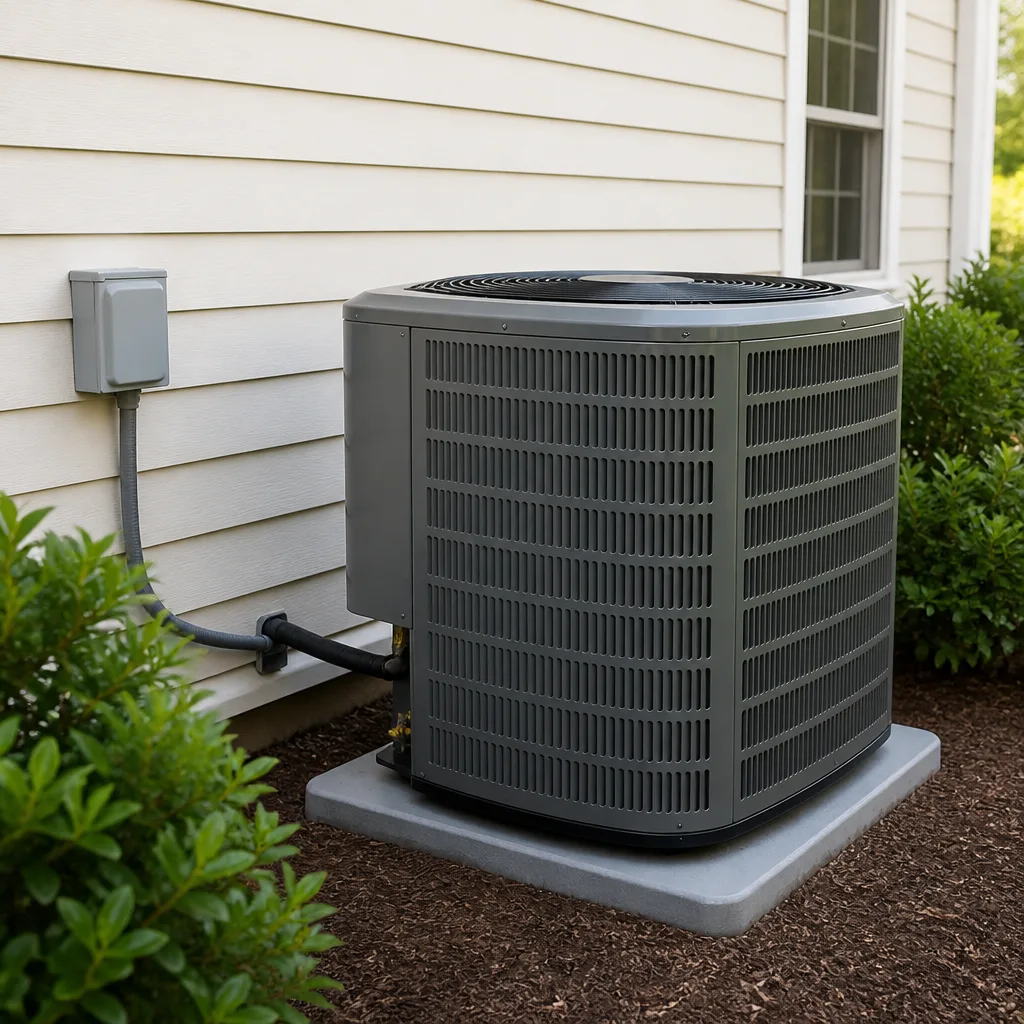 AC repair
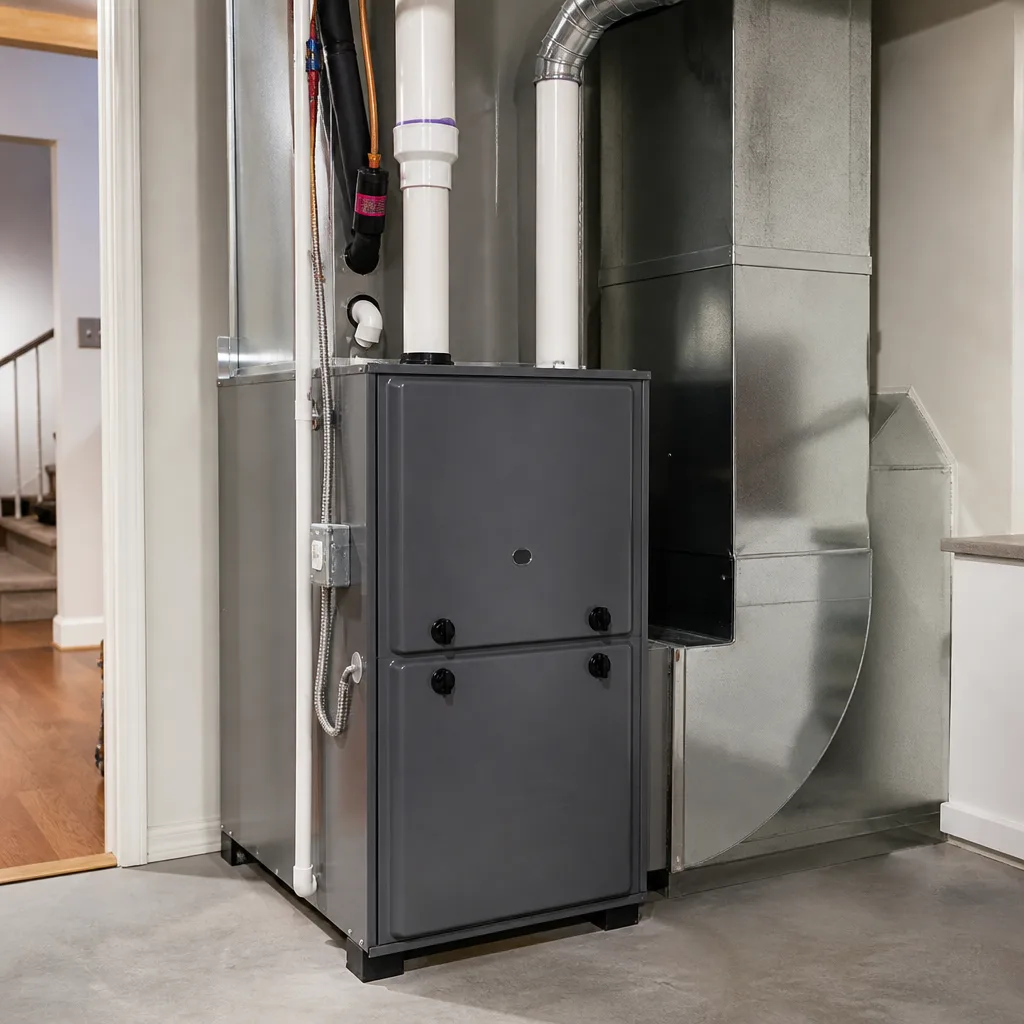 Furnace & heating
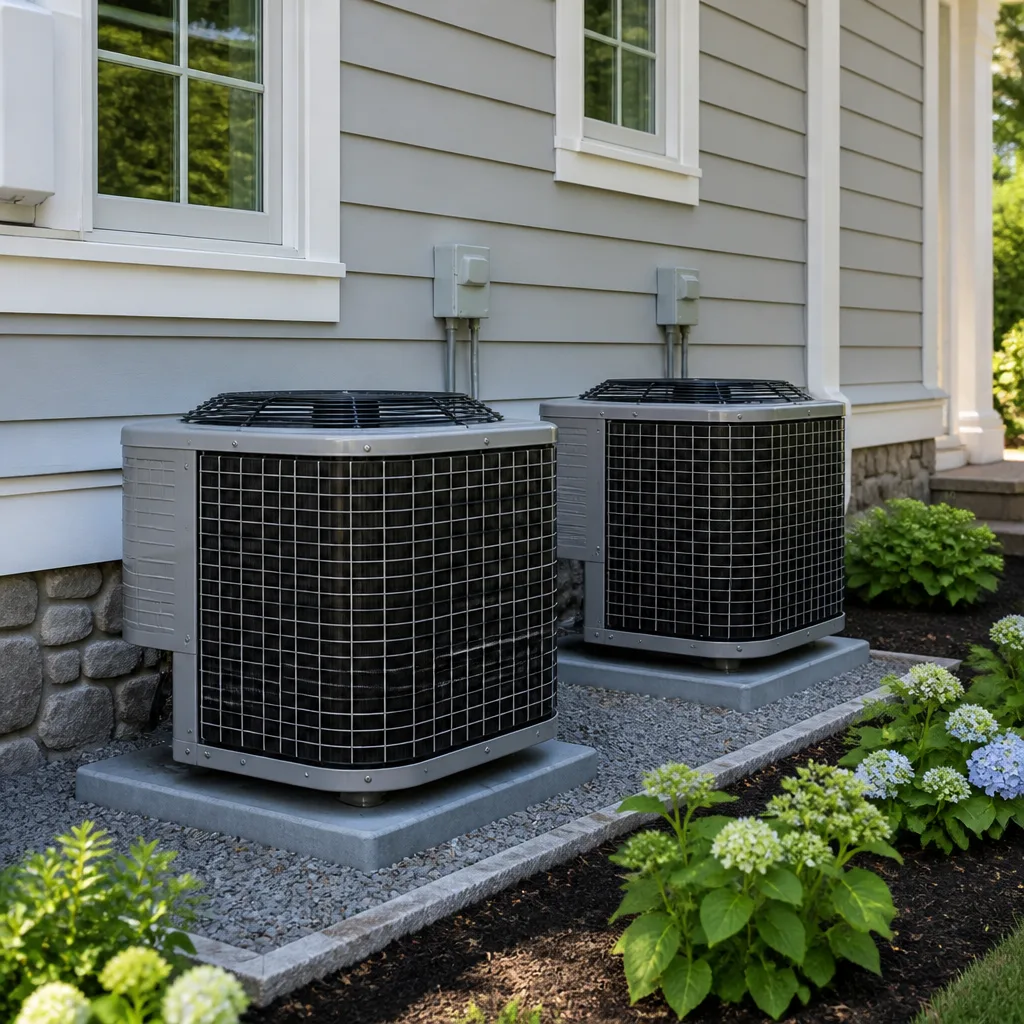 Heat pumps
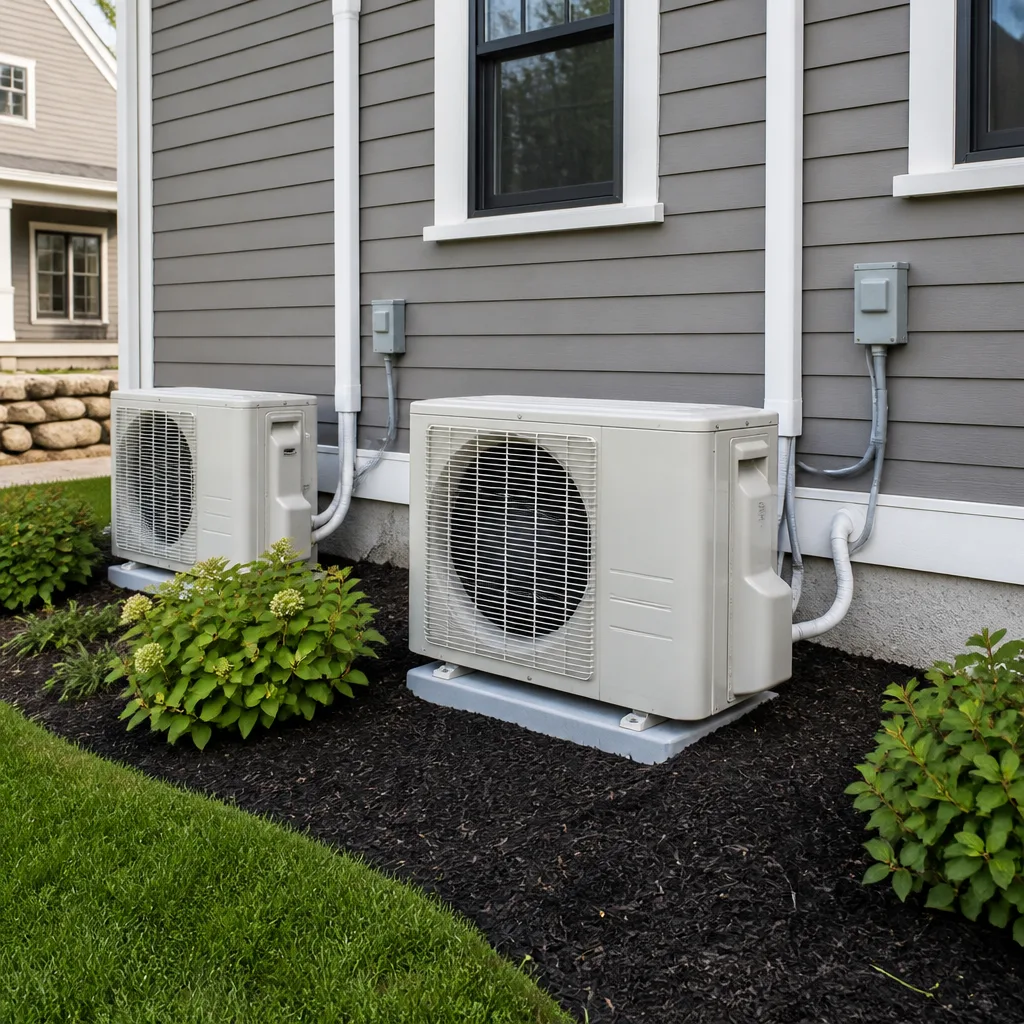 Ductless mini splits
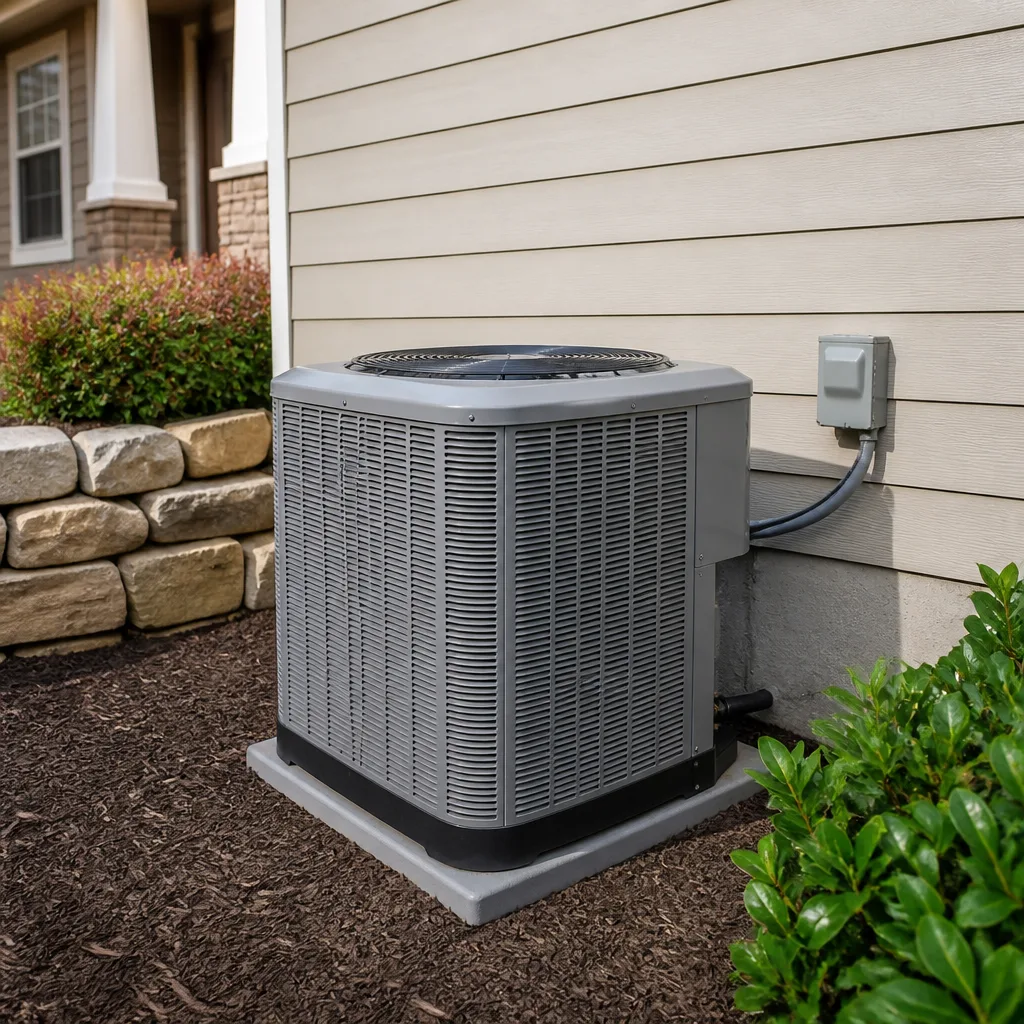 Carrier
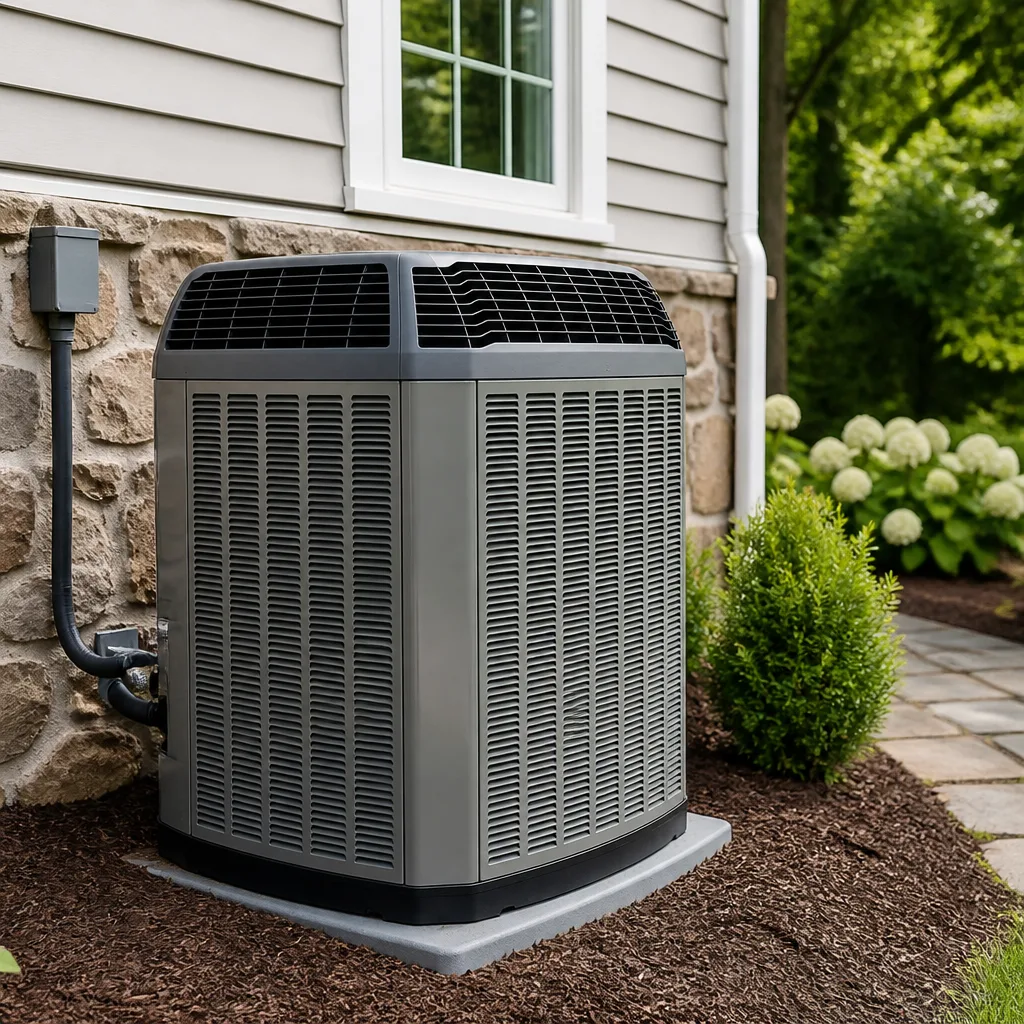 Trane
Trane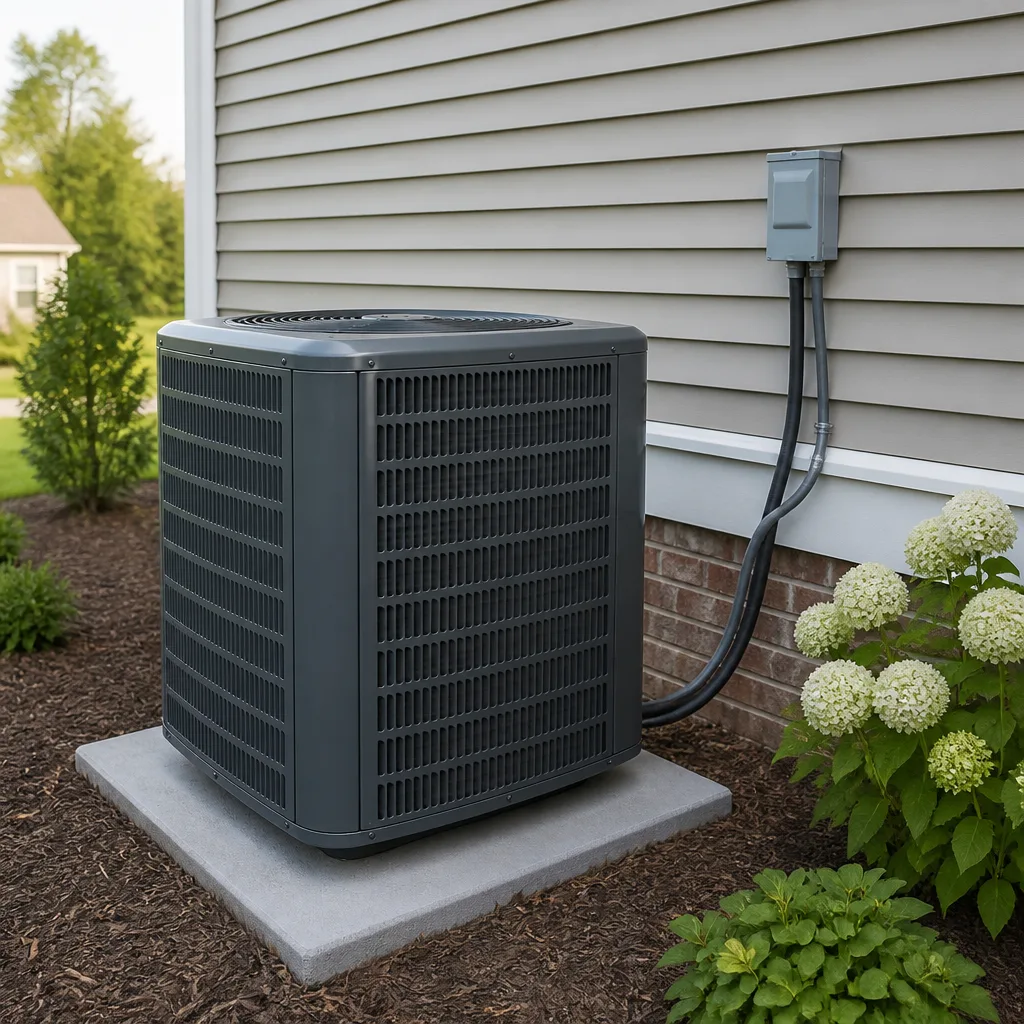 Goodman
Seasonal tune-up and full diagnostic on your Carrier, Trane, or Goodman system - readings shown to you before any repair is proposed
Diagnosis first, numbers second - you approve the repair price before a single part goes in.
Get your free estimateHVAC Permits, Codes & Inspections in GA: What You Need to Know
Most Georgia homeowners never think about HVAC permits until the moment one costs them real money. A homeowner in Alpharetta learned this the hard way during a 2023 closing when the buyer’s lender flagged a full system replacement that had been installed without a permit three years earlier. The retroactive inspection delayed the closing by three weeks, and the seller ate the cost of bringing the installation up to code. This guide covers which HVAC projects require a permit in Georgia, how Alpharetta’s city and county jurisdiction split works, what mechanical inspectors actually check, and how an unpermitted installation can surface later in ways that hurt. For related reading, see our HVAC Warning Signs: A Alpharetta Homeowner’s Reference Guide.
Styles & brands we work with
Quick Answer
In Georgia, any HVAC project that involves replacing equipment, moving ductwork, adding new supply or return runs, or cutting into the building envelope requires a mechanical permit under the Georgia State Minimum Standard Mechanical Code. Basic repairs like swapping a capacitor, contactor, or thermostat typically do not. Alpharetta homeowners need to determine whether their address falls under City of Alpharetta jurisdiction or Fulton County jurisdiction, because each uses a different permit portal and fee schedule.
Table of Contents
- Which HVAC Projects Require a Permit in Georgia
- How to Verify Whether Your Alpharetta Address Falls Under City or County Jurisdiction
- What a Mechanical Inspection Actually Covers: The Inspector’s Checklist
- How Unpermitted HVAC Work Can Void an Insurance Claim
- The Permit Process Step by Step: Timeline, Fees, and Who Pays
- What HVAC Permits Cost in Alpharetta and Fulton County
- Common Mistakes to Avoid
- When to Call a Professional
- Frequently Asked Questions
- The Bottom Line
Which HVAC Projects Require a Permit in Georgia
The short answer: replacement and modification work requires a permit. Repair work does not. The governing document is the Georgia State Minimum Standard Mechanical Code, which the state adopted with amendments to the International Mechanical Code. Section 106.1 of that code requires a permit for any mechanical work that involves installing, extending, altering, or replacing equipment or systems. That language is broad enough to cover most of what a homeowner would call a “new system.” It does not cover maintenance or the replacement of individual wearable parts.
Here is the practical breakdown we use when explaining this to Alpharetta homeowners, drawn from our AC Repair Maintenance Checklist for Alpharetta Homeowners:
- Requires a permit: full system replacement (furnace, air handler, condenser, or heat pump), adding or relocating supply or return ductwork, installing new refrigerant lines, adding a new electrical circuit for equipment, replacing a gas furnace with a different fuel type or efficiency class, converting from electric to gas or vice versa, and installing any new venting or flue.
- Does not require a permit: replacing a capacitor, contactor, blower motor, inducer motor, flame sensor, ignitor, thermostat, drain pan, or condensate pump. Cleaning coils, recharging refrigerant, sealing existing ductwork, and replacing an air filter are also permit-free.
- Gray area to ask about: swapping a condenser only (not the full system) and replacing a furnace with an identical model in the same location with the same flue. Some jurisdictions treat these as repairs. Alpharetta and Fulton County both consider a condenser-only swap on a mismatched system to be a replacement, which triggers the permit requirement.
Here is what surprises most homeowners: the permit requirement is tied to the scope of work, not to the dollar amount. A $400 repair does not need a permit. A $6,000 system change-out does. The contractor’s invoice should state which scope applies. If a contractor tells you “we don’t need a permit for this” and you are replacing equipment, get that in writing and verify with the city before work starts.
For context on what a full replacement involves in North Fulton County, our guide to Heat Pump Installation in Alpharetta walks through the equipment and labor involved. The permit is a small part of that scope, but it is the part that protects you later.
How to Verify Whether Your Alpharetta Address Falls Under City or County Jurisdiction
Alpharetta sits in north Fulton County, and the city has grown by annexation over the years. That means some addresses with an Alpharetta mailing address are actually in unincorporated Fulton County, not inside the city limits. The distinction matters for permitting because City of Alpharetta and Fulton County run separate permit offices with separate portals, fee schedules, and inspection calendars.
Here is how to check in under five minutes:
- Go to the City of Alpharetta’s “Am I in the City Limits?” tool. The city maintains an interactive address lookup on its Planning and Zoning page. Enter your street address and the tool returns your jurisdiction status.
- Cross-check with the Fulton County tax assessor’s parcel search. Every parcel record includes a jurisdiction field. If it says “Alpharetta,” you are in the city. If it says “Unincorporated Fulton” or “Fulton County,” the county handles your permits.
- Look at your water bill. If the service provider is City of Alpharetta Utilities, you are almost certainly in the city. If it is Fulton County, that points to unincorporated territory. This is a strong signal but not a perfect one, so use it as a secondary check.
- Call the building department. The City of Alpharetta Community Development office and the Fulton County Department of Community Development both answer direct questions during business hours. Tell them the address and the scope of work. They will confirm the jurisdiction and the permit type.
Why this matters beyond paperwork: an inspection scheduled through the wrong jurisdiction will not happen. The inspector will not show up, or they will show up, note the address is not in their territory, and close the file. Then you have an open permit that needs to be transferred, which takes days. Contractors who work across the city-county line in Alpharetta, Windward, Crabapple, and Milton know which portal to use based on the address before they ever pull the permit. That local knowledge is part of what you are paying for.
What a Mechanical Inspection Actually Covers: The Inspector’s Checklist
Most homeowners imagine a mechanical inspector walking through the house and giving the system a thumbs-up from the doorway. The reality is closer to a punch-list audit with a code book in hand. Here is what a Fulton County or City of Alpharetta mechanical inspector is looking at during a typical HVAC replacement inspection:
- Equipment listing and rating plate. The inspector verifies the outdoor condenser and indoor air handler or furnace carry a visible listing mark (UL or ETL) and that the model and serial numbers match the permit application. A mismatched serial number is an automatic fail.
- Electrical disconnect and circuit sizing. The condenser needs a service disconnect within sight of the unit. The breaker and wire gauge must match the equipment’s minimum circuit ampacity and maximum overcurrent protection as listed on the nameplate. Undersized wire is one of the most common correction items.
- Refrigerant line set and connections. Lines must be properly supported, insulated on the suction side where required, and free of kinks or leaks. The inspector checks for visible oil staining that indicates a refrigerant leak at brazed joints.
- Condensate drainage. The evaporator coil needs a properly trapped and sloped drain line with an accessible cleanout. The drain must terminate to an approved location, not just onto the ground next to the foundation. Many inspectors also require a secondary drain pan with a float switch under attic-installed units.
- Gas line and venting. For furnaces, the inspector verifies the gas shutoff valve placement, the sediment trap on the gas line, and proper slope and support on the vent pipe. High-efficiency furnaces that vent through PVC need the correct slope back to the unit and proper termination outside.
- Ductwork connections and sealing. New supply and return connections must be sealed, not taped with basic duct tape. The inspector looks for mastic or UL-listed foil tape. Existing ductwork that was not touched is generally outside the inspection scope.
- Clearances and working space. The condenser needs the manufacturer’s stated clearance from walls, fences, and shrubs. The indoor unit needs the required service clearance in front of the access panel. An attic unit crammed into a corner with no room to open the panel will fail.
- Thermostat and controls. The inspector confirms the thermostat is wired correctly and that the system starts, runs, and shuts off in each mode. They will not do a full commissioning, but they will verify basic operation.
If the installation is clean and the contractor followed the manufacturer’s installation guide, the inspection takes thirty to forty-five minutes. If the work was done sloppily, the inspector writes a correction notice, and the contractor must schedule a re-inspection after fixing the items. Re-inspection fees in both Alpharetta and Fulton County are charged to the permit holder and range from $50 to $100 depending on the scope.
This checklist is also why a permit is not a rubber stamp. It is a third-party verification that the company actually installed equipment to code, not just that it turns on. That distinction matters a lot when you go to sell the house or file an insurance claim.
How Unpermitted HVAC Work Can Void an Insurance Claim
Here is the part most contractors will not tell you because it makes their shortcut sound worse than the savings justify. A homeowners insurance policy is a contract. Buried in that contract is language requiring the home to comply with applicable building and mechanical codes at the time of any installed work. If a fire or water loss traces back to an unpermitted HVAC installation, the insurer can deny the claim on the grounds that the work was never inspected and therefore cannot be verified as code-compliant.
We have seen this play out in Alpharetta and Roswell, and it usually follows a pattern:
- Furnace fire. A gas furnace installed without a permit develops a cracked heat exchanger or a gas leak at the manifold. The fire investigator’s report notes the installation. The insurer reviews permit history, finds nothing, and denies the structure claim. The homeowner is left with a repair bill that exceeds the savings from skipping the permit by a factor of twenty or more.
- Attic water damage. An unpermitted condenser or air handler leaks from the secondary pan because no float switch was installed. The ceiling collapses. The adjuster asks for the permit and inspection record. There is none. The claim goes to the insurer’s special investigations unit.
- Mold claim after condensate leak. Same story. The drain line was never inspected because there was no permit. The insurer argues the work was never verified and denies the claim.
The counterargument some homeowners raise is that insurance covers sudden and accidental loss regardless of cause. That is generally true for claims where the loss is not tied to a code violation or excluded maintenance issue. But insurers are increasingly aggressive about subrogation and denial when unpermitted mechanical work is involved, especially in Georgia, where the state’s building codes are clear about permit requirements. The savings from skipping a $150 permit evaporate in one denied claim.
For homeowners in Alpharetta who bought a house with an existing unpermitted system, the risk already exists. The fix in most cases is a retroactive permit and inspection. The city and county both have a process for this, though it typically costs more than the original permit and may require bringing the installation into current code compliance. If you need help assessing what you have, our team at Dalton Heating & Air Alpharetta home service area covers the full city, and we can tell you quickly whether a retro permit is worth pursuing.
The Permit Process Step by Step: Timeline, Fees, and Who Pays
Here is what a legitimate HVAC permit process looks like in Alpharetta, start to finish. This is the sequence we follow on every replacement and installation we do, and it should be the same for any contractor you hire.
- Scope confirmation and quote. The contractor assesses the job, specifies the equipment, and gives you a written price. The written price should include the permit fee as a separate line item. If a contractor says the permit is “extra” after the quote, that is a red flag.
- Permit application. The contractor (or the homeowner, if doing a self-pull) submits the application through the City of Alpharetta’s online portal or the Fulton County portal, depending on jurisdiction. The application includes the equipment specifications, the scope of work, and the contractor’s state license number.
- Fee payment. The permit fee is paid at the time of application. In Alpharetta, mechanical permit fees for residential HVAC replacement typically run $75 to $200 depending on the scope and the value of the work. Fulton County fees are in a similar range but structured slightly differently.
- Permit issuance. Most residential mechanical permits issue within one to three business days. Same-day issuance is common for simple replacements when the application is complete.
- Installation. The work is done. The permit must be posted on site during the work.
- Inspection scheduling. The contractor calls in and schedules the inspection. In Alpharetta, mechanical inspections are typically next-day or within two business days. Fulton County inspection windows are similar.
- Inspection. The inspector reviews the checklist described above and passes or fails the work.
- Pass and close. Once the inspection passes, the permit is closed. The homeowner should receive a copy of the final inspection record. Keep this with your closing documents and insurance papers.
Who pays the fee? In nearly every case, the homeowner pays the permit fee as a line item on the contractor’s invoice. It is your permit on your house. Some contractors bundle it into the total price and handle the paperwork, which is fine as long as the line item is visible. A contractor who refuses to pull a permit or insists you pull it yourself without offering to handle it is worth avoiding. Licensed contractors carry the insurance and the license number the permit application requires.
The whole process, from application to passed inspection, typically takes one to two weeks for a standard replacement. That includes installation time. If a contractor tells you the permit will add a month, they are either misinformed or using the delay as an excuse to skip it.
What HVAC Permits Cost in Alpharetta and Fulton County
Permit fees are set by the jurisdiction, not by the contractor, and they are generally the smallest line item on a system replacement. Here are the realistic ranges for residential HVAC work in the Alpharetta area as of the current fee schedules:
- City of Alpharetta mechanical permit (residential replacement): $75 to $200. The fee is calculated from the valuation of the work and the number of systems being replaced.
- Fulton County mechanical permit (unincorporated): $60 to $180 for similar scope. The county structures fees by trade and work type.
- Re-inspection fee: $50 to $100 if the first inspection fails and a second trip is required. This is charged to the permit holder. A contractor who failed the inspection should eat this cost, not pass it to you.
- Retroactive permit (for unpermitted work already installed): Typically 1.5 to 2 times the standard fee. Expect $150 to $400. The jurisdiction may also require the work to be brought fully into current code compliance before the retro permit is approved.
What you should not see is a contractor charging $500 or more for a “permit handling fee” on top of the actual jurisdiction fee. A reasonable administrative markup of $25 to $50 is normal. Marking up the permit itself by 300% is not.
For context on the larger cost picture: a full AC Repair in Alpharetta job might be under $500 and need no permit. A full system replacement runs $7,000 to $14,000 depending on equipment brand and efficiency, and the permit is typically 1 to 2 percent of that total. That is a small price for the protection it buys.
Common Mistakes to Avoid
- Believing “it’s just a swap” means no permit. Replacing a condenser with the same brand and size is still a replacement under Georgia code. We hear this from homeowners who have been told otherwise by a contractor who does not want the inspection. The permit is required.
- Paying cash to “save the tax and skip the permit.” This arrangement saves the contractor money and leaves the homeowner with zero documentation of what was installed. If the system fails or causes damage, there is no permit record, no inspection, and often no legitimate warranty registration.
- Not checking jurisdiction before the permit is pulled. An Alpharetta mailing address does not guarantee Alpharetta jurisdiction. Pulling through the wrong portal wastes days and sometimes means the permit has to be voided and re-filed.
- Assuming the installer’s warranty covers code compliance. A manufacturer’s parts warranty covers the equipment. It does not cover the installation workmanship or the code compliance of that installation. Those are separate, and only the permit inspection provides third-party verification.
- Filing the permit as the homeowner to avoid contractor liability. If you pull the permit yourself, the liability for the work shifts to you in the eyes of the jurisdiction. Let the contractor pull it. Their license number belongs on the application.
- Closing on a house without checking the HVAC permit history. The Alpharetta closing story from the top of this guide could have been avoided with a simple permit search during due diligence. Before you buy, search the city or county permit database for the address.
When to Call a Professional
If you are planning a system replacement, adding or moving ductwork, converting fuel types, or addressing a failed inspection on a previous installation, this is professional territory. Our Seasonal HVAC Care for Alpharetta: Year-Round Homeowner’s Guide explains how to stay ahead of these issues. The mechanical code, the permit process, and the inspection checklist are all built around licensed contractor standards. A homeowner can pull a permit and self-install in Georgia, but if the work fails inspection, you own the corrections and the re-inspection fees, and your insurance company may view self-installed HVAC differently than contractor-installed equipment.
If you are trying to figure out what an existing unpermitted installation means for your home sale or insurance situation, we can take a look and tell you what a retroactive permit would require. Dalton Heating & Air Alpharetta offers free estimates in Alpharetta. Call (229) 537-2086 and we will walk through your specific situation.
Frequently Asked Questions
Yes. Any full system replacement, including swapping a furnace, air handler, condenser, or heat pump, requires a mechanical permit under the Georgia State Minimum Standard Mechanical Code. Individual part replacements like capacitors and motors do not. Call (229) 537-2086 if you are unsure which category your project falls into.
Most residential mechanical permits in Alpharetta issue within one to three business days, and the inspection is typically scheduled within one to two business days after installation is complete. The entire permit-to-passed-inspection cycle for a standard replacement usually takes one to two weeks.
The buyer’s home inspector or lender may flag the unpermitted installation during due diligence, which can delay closing and require a retroactive permit and inspection before the sale can proceed. The seller typically bears the cost of bringing the work into compliance, as the Alpharetta homeowner in the 2023 closing example learned.
It can be denied. If the insurer determines that a fire or water loss originated from an unpermitted installation that was never inspected, they may treat the work as a code violation and deny the claim. A passed inspection is the documentation that protects you.
Search the City of Alpharetta’s online permit portal if your address is inside city limits, or the Fulton County permit portal if you are in unincorporated territory. You can also call either building department directly with the address and ask for the mechanical permit history.
The homeowner pays the permit fee as a line item on the contractor’s invoice. The fee ranges from $75 to $200 in Alpharetta and Fulton County. The contractor should handle the application, pull the permit under their license, and schedule the inspection.
Yes. Mini-splits and heat pumps are treated the same as central systems under Georgia code. Any installation of new equipment that involves electrical work, refrigerant lines, and wall or ceiling penetrations requires a permit and inspection. Our Heat Pump Installation in Alpharetta guide covers the equipment specifics.
Yes, both the City of Alpharetta and Fulton County allow retroactive permits for existing unpermitted work. The fee is typically 1.5 to 2 times the standard permit fee, and the jurisdiction may require the installation to be brought into current code compliance before approving it. A Furnace Repair in Alpharetta technician can assess what corrections a retro inspection would likely flag before you file.
The Bottom Line
An HVAC permit in Georgia is inexpensive, fast, and the only documentation that proves your system was installed to code. Skipping it saves a contractor time and a homeowner very little money, while creating risk that surfaces at the worst possible moment: a home sale, a claim, or a fire or water loss that the insurer won’t cover. Alpharetta homeowners have the added wrinkle of city versus county jurisdiction, which takes five minutes to verify and saves real delays. If you are replacing equipment, adding ductwork, or converting fuel types, pull the permit, pass the inspection, and keep the record. If you want a contractor who handles all of that and puts the price in writing before any work starts, call Dalton Heating & Air Alpharetta at (229) 537-2086 for a free estimate, or explore more guides & resources on our blog.
Written by Marco Benitez, Owner at Dalton Heating & Air Alpharetta, serving Alpharetta since 2003.
See the difference
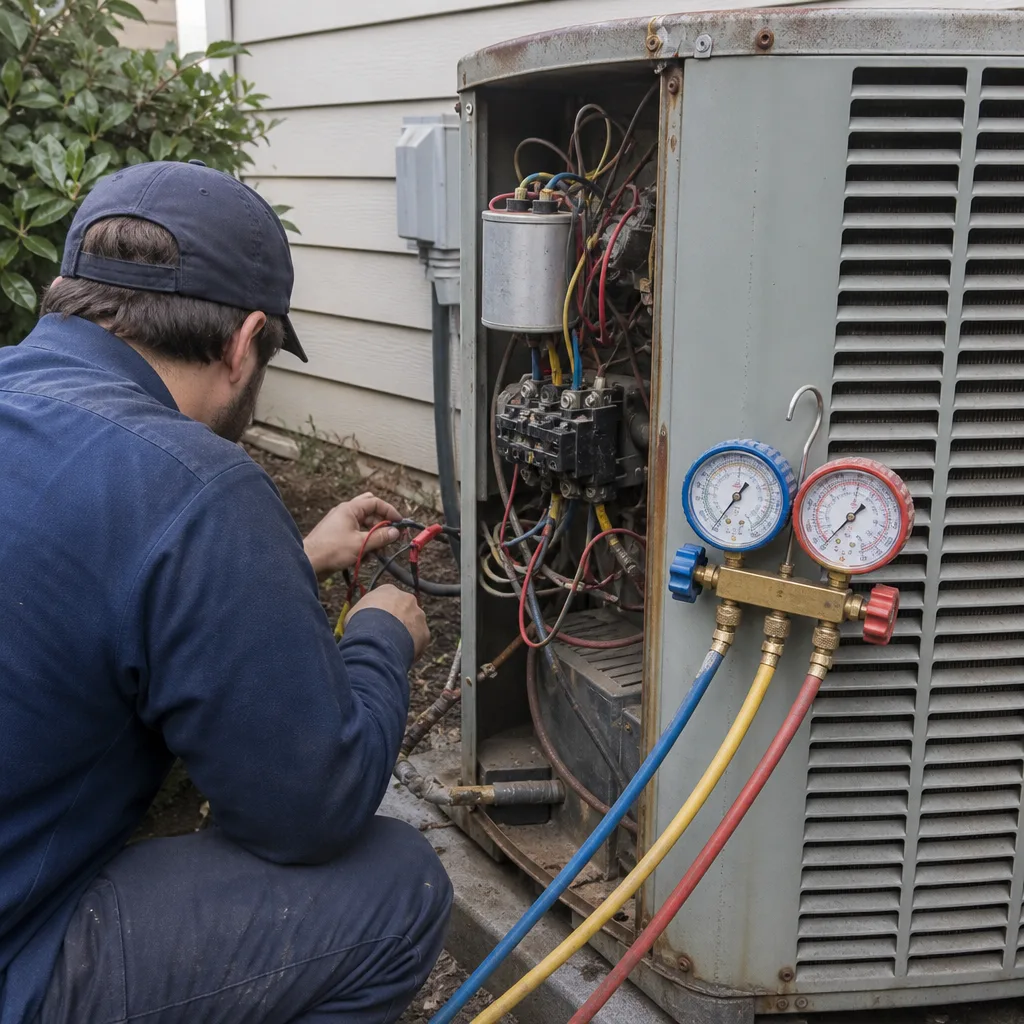 Before
 After
After Before
 After
After Before
 After
After