
Last updated October 16, 2026
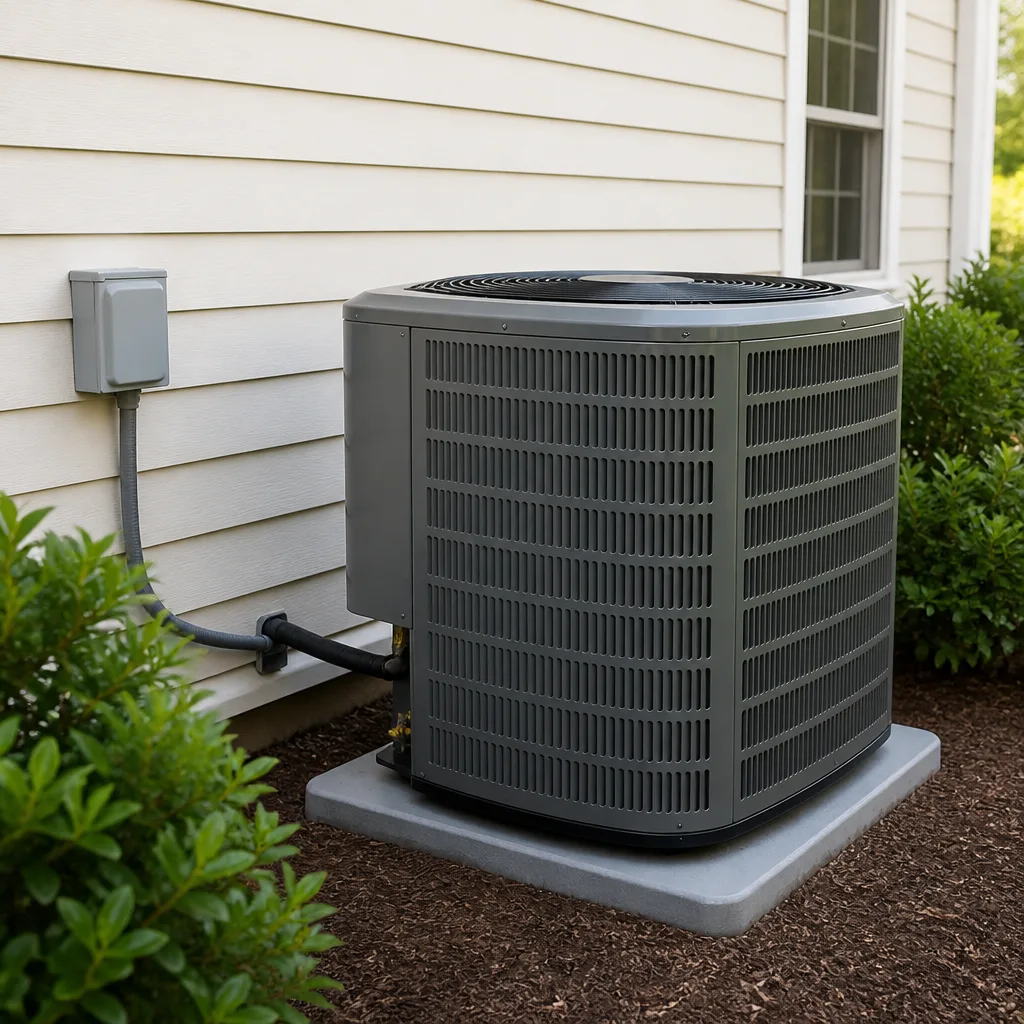 AC repair
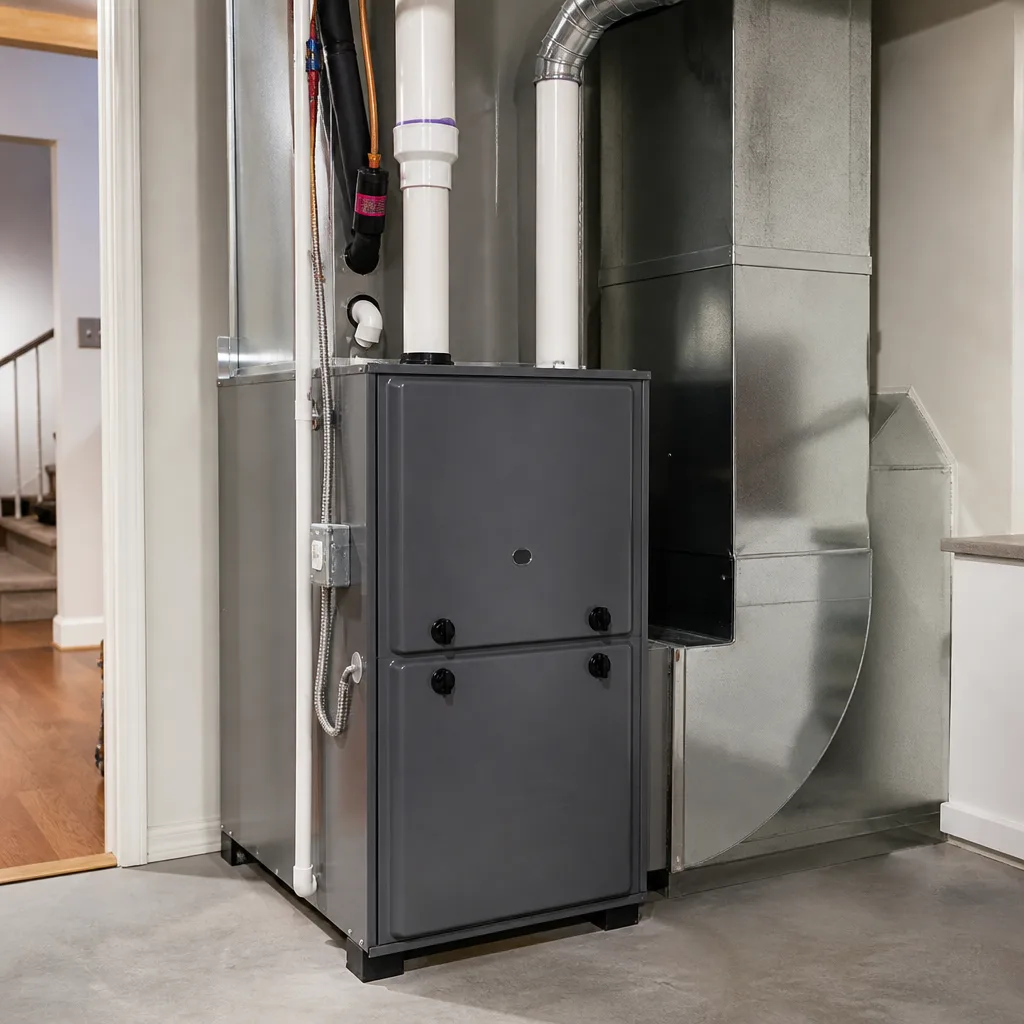 Furnace & heating
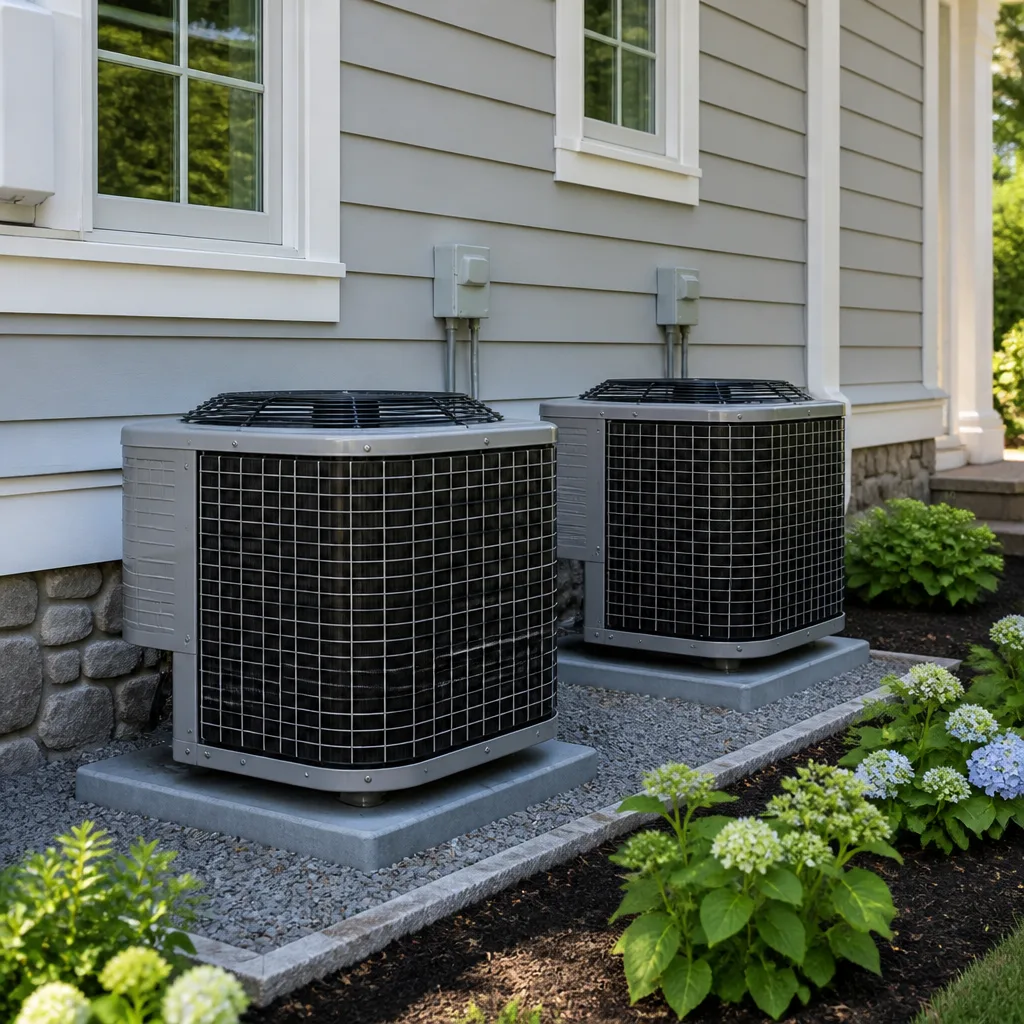 Heat pumps
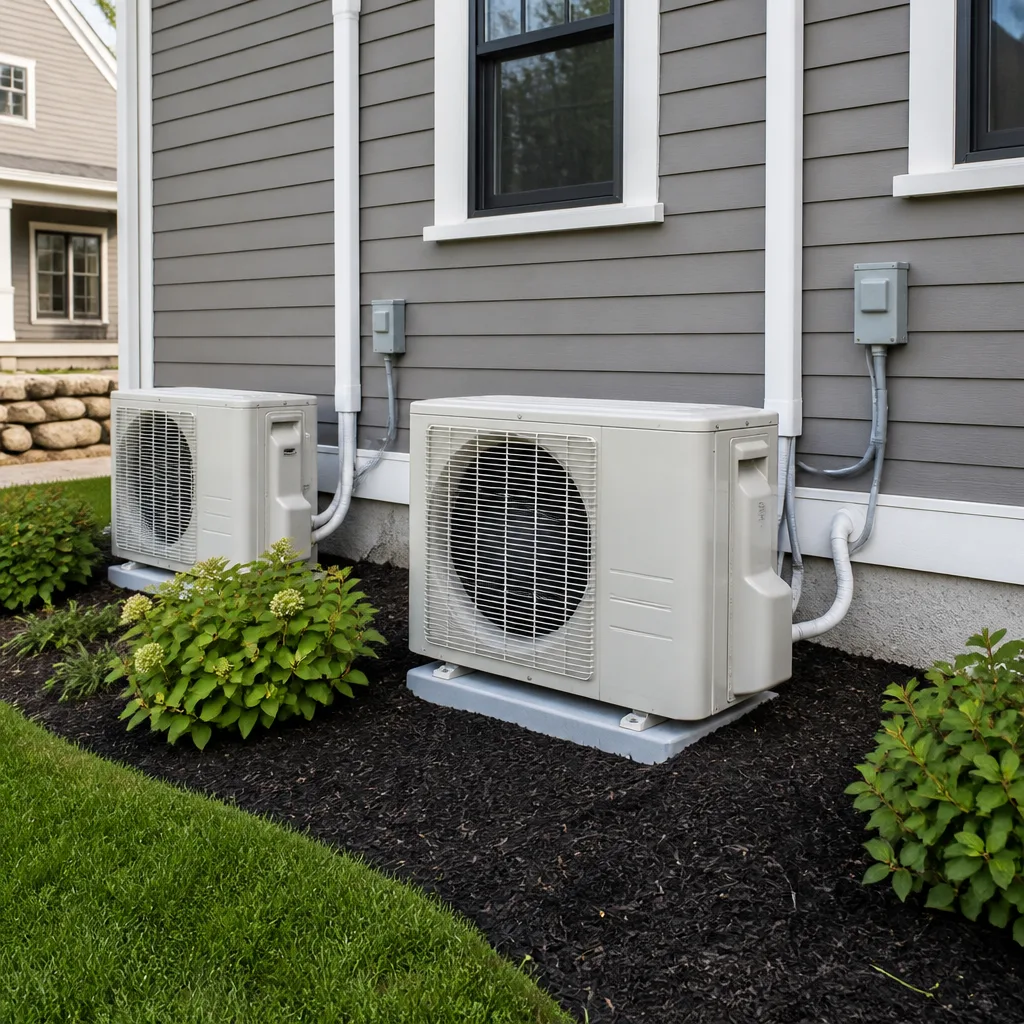 Ductless mini splits
 Carrier
 Trane
Trane Goodman
Seasonal tune-up and full diagnostic on your Carrier, Trane, or Goodman system - readings shown to you before any repair is proposed
Diagnosis first, numbers second - you approve the repair price before a single part goes in.
Get your free estimateAC Repair Maintenance Checklist for Alpharetta Homeowners
The number-one source of water damage claims in Alpharetta homes isn’t storms. It’s a condensate drain line that backed up because the last maintenance visit skipped the flush. Most AC maintenance checklists are written for a generic Southern climate, but Alpharetta has its own failure patterns: clogged secondary drains from heavy pollen and humidity, refrigerant stress from cooling seasons that stretch from April into October, and UV degradation on outdoor condenser components from 220-plus sunny days a year. This guide is calibrated to those specific patterns. You’ll learn exactly what to check each month, what a technician should be doing on a maintenance visit, and what to document so a warranty claim never gets denied because of missing records. For more on protecting your system, see our DIY vs Professional HVAC: The Alpharetta Homeowner’s Decision Guide.
Styles & brands we work with
Quick Answer
An Alpharetta AC maintenance checklist should include monthly air filter checks from March through October, a condensate drain flush every 60 to 90 days during cooling season, an annual refrigerant pressure check by a licensed technician, and a spring inspection of outdoor condenser components for UV and storm damage. Homeowners can handle roughly half of this list themselves in under 30 minutes a month. The other half involves refrigerant gauges and electrical testing that requires a licensed HVAC technician.
Table of Contents
- The Monthly AC Maintenance Checklist for Alpharetta
- Season-by-Season Task Breakdown for Alpharetta’s Climate
- The Condensate Drain: The Maintenance Item Most Technicians Skip
- Refrigerant Pressure Checks: What the Gauges Actually Tell You
- UV Exposure Checklist for Outdoor Condenser Components
- What to Document After Every Maintenance Visit
- What You Can Do Yourself vs. What Needs a Pro
- Common Mistakes to Avoid
- When to Call a Professional
- Frequently Asked Questions
- The Bottom Line
The Monthly AC Maintenance Checklist for Alpharetta
During cooling season in Alpharetta, which realistically runs from late March through mid-October, you should spend about 20 to 30 minutes a month on basic AC upkeep. The tasks below cover the items that fail most often in this climate. If you do nothing else, do the first two. They prevent the overwhelming majority of repair calls we see between May and September.
- Check the air filter. In Alpharetta, pollen counts spike in March and April, and again in September when ragweed peaks. A filter that looks clean in January can be clogged by late April. Hold it up to a light. If you can’t see light through it, replace it. Pleated filters last one to three months depending on the MERV rating and whether you have pets.
- Verify the condensate drain is flowing. Look for water dripping from the primary drain line outside the house while the AC is running. No drip after 15 minutes of operation means a blockage is forming. We’ll cover this in detail below because it’s the single most skipped maintenance item in Alpharetta homes.
- Walk the outdoor unit. Check for leaves, pine needles, or mulch piled against the condenser fins. Clear at least 18 inches of clearance on all sides. In Alpharetta’s older neighborhoods with mature oaks and pines, debris accumulation happens fast in fall and spring.
- Listen to the system run. Turn the AC on and stand near the indoor air handler. A sound you haven’t heard before, like a rattle, screech, or thump, is worth investigating before it becomes a repair. Motors don’t fix themselves.
- Check vent airflow in every room. Walk the house and feel each supply register. Weak airflow in one or two rooms usually means a duct issue, not an AC problem. Weak airflow everywhere points to a blower or coil restriction.
These five steps take less than half an hour. If you want to understand each one more deeply, the sections below explain the what and why, plus the items a technician should handle on an annual visit. For a deeper look at what repairs commonly follow skipped maintenance, see our guide to AC Repair in Alpharetta.
Season-by-Season Task Breakdown for Alpharetta’s Climate
Generic checklists say “spring maintenance” and “fall maintenance.” Alpharetta’s weather doesn’t work that way. Here’s what actually matters month by month.
March to April: Pollen Season and the Pre-Season Check
Pollen from pine, oak, and hickory trees blankets Alpharetta between late March and early May. This is the single biggest filter-killing window of the year. Change the filter at the start of March even if it doesn’t look dirty. Check it again in late April. If you run a MERV 11 or higher filter, expect to replace it every 30 days during pollen season.
This is also the right time to schedule the annual professional maintenance visit, before the first heat wave hits. Technicians book out fast once temperatures hit 85 degrees. Scheduling in March or early April means you’re not waiting two weeks for service when the system fails on the first 90-degree day of May. For a deeper look at local system care, read The Complete Guide to HVAC in Alpharetta.
May to July: Peak Cooling Load and Humidity Stress
Alpharetta’s humidity climbs through June, and the AC runs longer cycles as nighttime temperatures stay above 70. This is when condensate drain lines clog most often because the system produces more water per day than at any other point in the year. Flush the drain line monthly during this window. Check the outdoor unit weekly for mower clippings if a lawn service cuts near the condenser.
This is also when refrigerant stress shows up. A system slightly low on charge will run longer to reach set temperature, which means more condensation and faster drain clogging. If your electric bill jumps 20 percent or more with no change in usage, have refrigerant levels checked.
August to September: Peak Failure Window
In our experience, more air conditioners die in Alpharetta in August than in any other month. The system has been running hard for four straight months, components are heat-soaked, and capacitors, contactors, and fan motors give out under the cumulative strain. This is the month to pay attention to anything that seems off: longer run times, warmer air at the registers, or the system short-cycling on and off. Catching a failing capacitor in August costs less and beats waiting for the compressor to lock up during Labor Day weekend.
October to November: Transition and the Pre-Winter Check
Once cooling season winds down in Alpharetta, usually by mid-October, do a final outdoor unit cleaning before winter. Remove leaves, hose down the coil fins with low pressure, and make sure the unit sits level on its pad. If you have a heat pump, switch the thermostat to heat mode and verify warm air blows within a few minutes. This is also the right time to check the furnace side of the system. For heat-specific maintenance, see our Furnace Repair in Alpharetta page.
December to February: Dormant Season Checks
Even when the AC isn’t running, two things matter. First, keep the outdoor unit covered only with a breathable cover rated for condensers, or just skip the cover and brush off leaves after storms. A plastic tarp traps moisture and promotes coil corrosion. Second, check the thermostat batteries if your unit takes them. A dead thermostat battery in January leads to a no-heat call that costs more than the battery it needed.
The Condensate Drain: The Maintenance Item Most Technicians Skip
Your air conditioner produces five to twenty gallons of water daily during Alpharetta’s humid summer months. That water collects in a drain pan under the indoor coil and exits through the primary condensate line, usually a white PVC pipe running to a floor drain or outside. When that line clogs, water backs up into the pan and overflows into the ceiling, wall, or floor. In Alpharetta homes, where many air handlers sit in attics, an overflow means water running through the ceiling drywall below.
Every properly installed system also has a secondary drain line, often with a visible opening above a window or near a soffit. If you ever see water dripping from that secondary line, it means the primary line is completely blocked and the system is draining through the backup. Many homeowners don’t know this line exists, and many maintenance visits skip checking it because it takes time and makes no additional revenue. We check both lines on every maintenance call.
How to Inspect and Clear the Drain Line Yourself
- Find the drain access point. Look for a vertical PVC pipe with a cap near the indoor air handler. This is the cleanout. Some Alpharetta homes built in the last decade also have a float switch wired into this line that shuts the AC off when water backs up.
- Pour one cup of white vinegar or warm water. Remove the cap and pour slowly. If the liquid drains quickly, the line is clear. If it sits or drains sluggishly, there’s a clog forming.
- Check the outdoor termination. Walk around the exterior of the house and look for the PVC line exiting near the foundation. While the AC runs, you should see a steady drip. No drip means no flow.
- Use a wet/dry vacuum if the line is clogged. Seal the vacuum hose against the outdoor termination with a rag or duct tape, run it for two to three minutes, and you’ll often pull out the clog. This is a safe homeowner task. Don’t blow compressed air in from the outside; it can push the clog deeper.
- Add a drain line treatment monthly during cooling season. Enzyme tablets or a quarter cup of vinegar once a month keeps the algae and mold growth down that causes Alpharetta clogs.
If the line keeps clogging even after flushing, the drain may have a low spot or improper slope. That’s a repair, not a flushing problem, and it’s something a Dalton Heating & Air Alpharetta home technician can evaluate in about an hour.
Refrigerant Pressure Checks: What the Gauges Actually Tell You
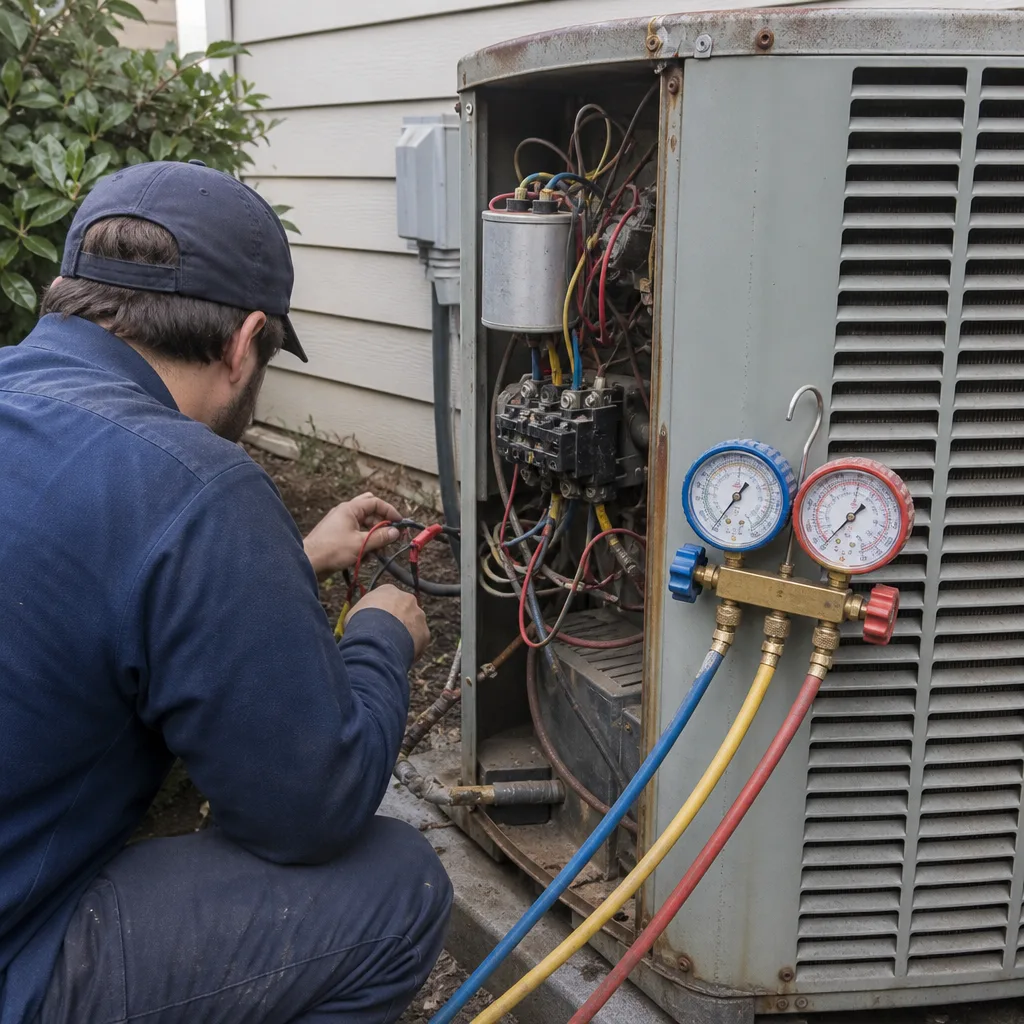
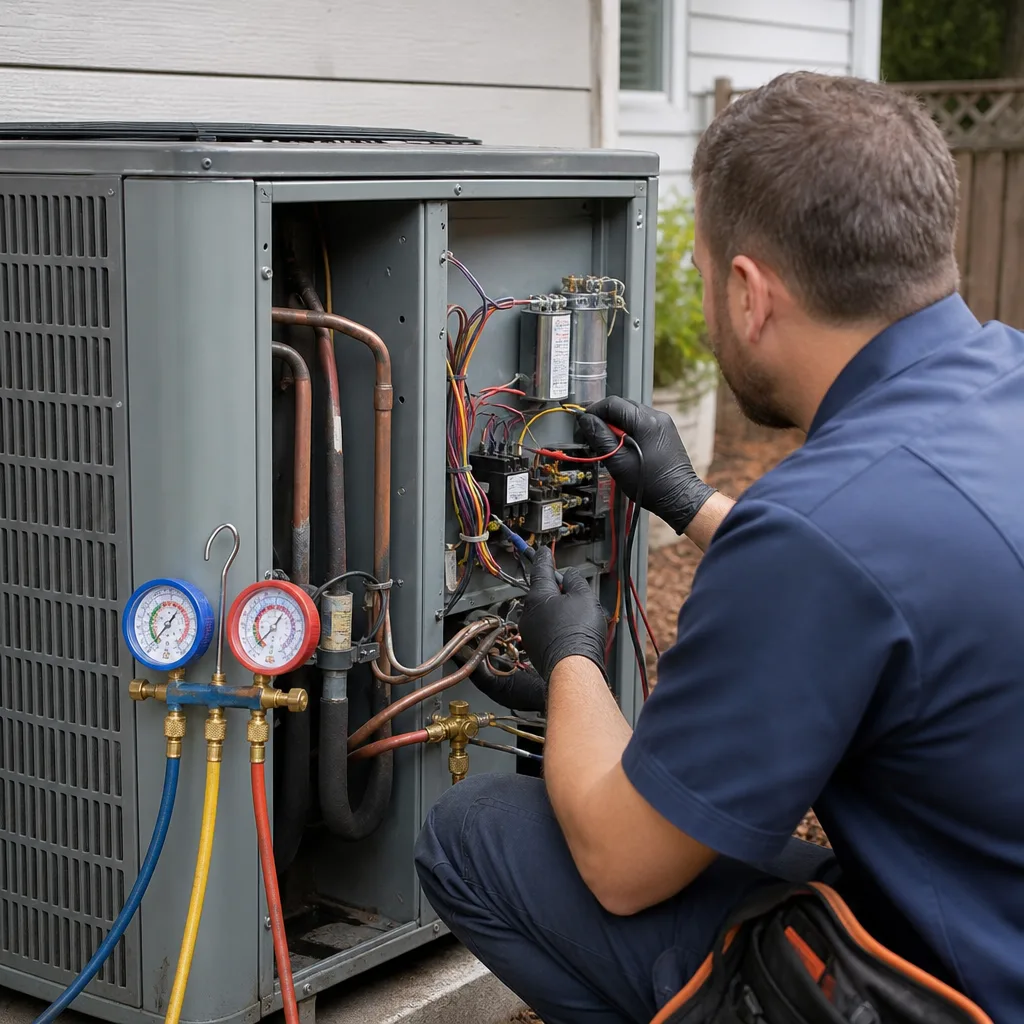
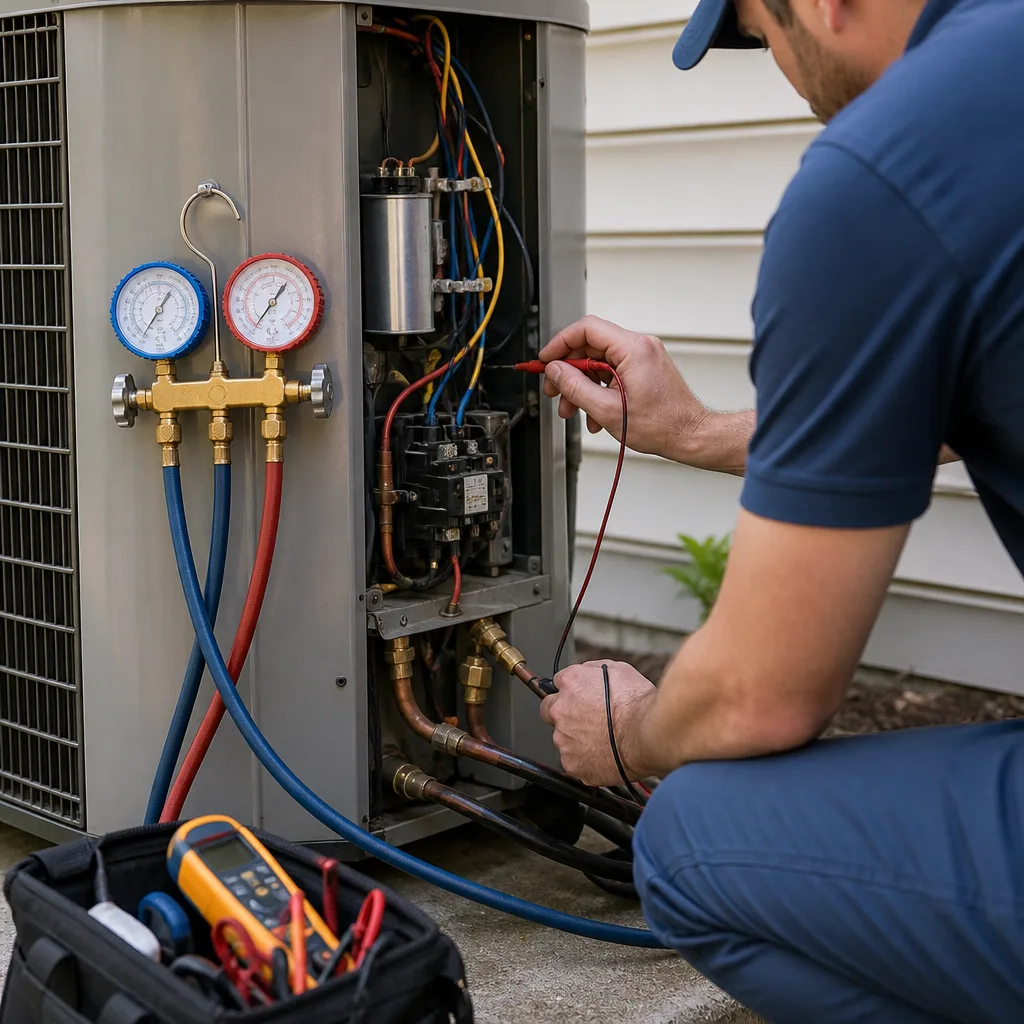
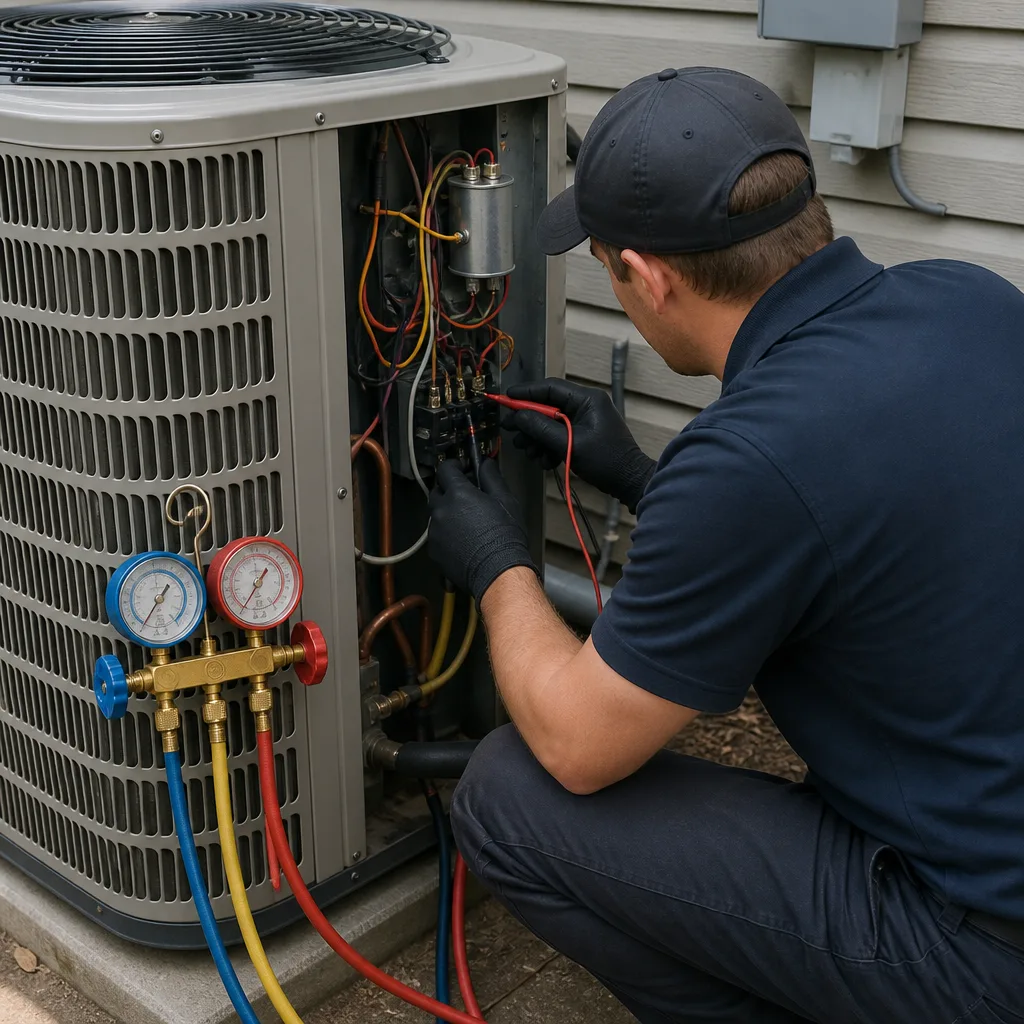
When a technician connects gauges to your AC, they’re reading two numbers: the suction pressure on the low side and the head pressure on the high side. Each number tells a different story about system health. You can’t interpret the numbers without knowing the refrigerant type and the outdoor temperature, but understanding the basics helps you talk to the technician without getting run around.
R-410A Systems: The Current Standard in Most Alpharetta Homes
The majority of AC systems in Alpharetta homes run R-410A, the refrigerant standard since 2010. On a mild 75-degree day, a healthy R-410A system typically runs suction pressure around 115 to 125 psi. On a 95-degree afternoon, expect 140 to 155 psi. Head pressure varies more, but on a 95-degree day, 370 to 430 psi is normal. Pressures outside these ranges mean something is off: low suction often means a leak or low charge; high head pressure points to a dirty condenser coil or restricted airflow.
R-454B Systems: What’s Entering the Market Now
New AC installations in Alpharetta are increasingly R-454B systems, the lower-global-warming refrigerant that manufacturers like Carrier, Trane, and Lennox have shifted to under EPA requirements. R-454B runs at slightly different pressures than R-410A, close enough that a homeowner can’t eyeball the difference but different enough that the technician must confirm the refrigerant type before charging the system. Putting R-410A into an R-454B system, or vice versa, ruins the compressor. If a technician ever connects gauges without confirming refrigerant type, that’s a red flag.
What “Low on Refrigerant” Actually Means
Refrigerant doesn’t get used up like fuel. It circulates in a sealed loop. If a system is low, the refrigerant leaked out somewhere. Adding more without finding the leak fixes the symptom and ignores the cause. A proper refrigerant service includes leak testing with an electronic sniffer or dye injection. If the leak is in the evaporator coil or condenser coil, the repair usually costs more than a simple recharge, and in some cases replacement is the smarter financial call. Our Heat Pump Installation in Alpharetta page covers replacement costs and process if you’re hitting that point.
UV Exposure Checklist for Outdoor Condenser Components
Alpharetta gets more than 220 sunny days a year. That’s great for the electric bill and rough on the plastic and rubber components outside your house. The condenser unit, the big metal box with the fan on top, sits in direct sun for years. Here’s what UV and heat exposure actually damage and how to check each item.
- Capacitor and contactor housing. These electrical components sit inside the condenser’s access panel. Heat and UV exposure through the panel shorten their lifespan. In Alpharetta, a capacitor that fails in year five of a system’s life is not surprising. Symptoms: the AC hums but the fan doesn’t spin, or the compressor clicks on and off rapidly. A technician can test and replace these in under an hour.
- Wire insulation. The low-voltage control wiring that runs from the house to the condenser degrades under UV. Brittle insulation cracks, exposes copper, and causes intermittent shorts. When the AC works sometimes and not others, cracked control wiring is a common culprit. Inspect wires annually for cracks and bare spots.
- Condenser coil fins. The aluminum fins on the side of the unit oxidize and soften over years of sun and rain. Soft fins bend easily, restricting airflow. A gentle fin straightening with a fin comb, not a pressure washer, restores airflow. We hose down condenser coils with low pressure every maintenance visit because a dirty coil on a 95-degree Alpharetta afternoon makes the compressor work harder than it was designed to, which shortens its life.
- Unit pad leveling. Alpharetta’s clay-heavy soil shifts with wet and dry cycles. Condenser pads sink or tilt over time, which strains the refrigerant lines and traps oil in the wrong part of the compressor. Check level every spring. A slight tilt is fine; anything over a half inch out of level over the width of the pad is worth fixing.
- Fan motor bearings and blades. The fan motor sits in the hottest part of the condenser. Direct sun plus motor heat cooks the bearing grease. When bearings wear, the fan gets noisy. When the fan blade cracks from UV, the blade wobbles. Either condition gets worse fast in Alpharetta’s heat. A technician checks fan issues on every maintenance visit because a failed fan motor is one of the most common mid-summer breakdowns we see.
What to Document After Every Maintenance Visit
Manufacturers deny warranty claims every day for missing maintenance records. The burden of proof is on you to show the system was maintained according to the warranty terms. In most cases, that means an annual professional inspection with documentation of what was done. Here’s exactly what to record after every visit, whether it’s a yearly tune-up from us or a maintenance call from any other company.
- Date of service and technician name. Write it on the invoice and keep the invoice. A sticky note that you “had it serviced last spring” won’t survive a warranty claim review.
- Refrigerant pressure readings. Suction and head pressures should be on the service ticket. If a technician ever refuses to write down the pressures, that’s a problem. These numbers show whether the system was operating within normal range on that date.
- Filter change date and filter size. Photo the new filter in place with the date visible. This proves regular filter maintenance more convincingly than any receipt.
- Condensate drain condition. Note whether the drain was flushed and whether any blockage was found. If you eventually have a water damage claim, this documentation shows the drain was maintained and the blockage wasn’t a neglect issue.
- Outdoor coil cleaning. Photograph the condenser before and after coil cleaning. Warranty reviewers want to see that airflow was maintained, not just claimed.
- Any measured temperature split. The temperature drop across the coil, typically 15 to 20 degrees, shows the system was cooling properly. This number should be on every service ticket.
- Repair recommendations, in writing. If a technician recommends work, get it in writing with the reason and the price. This creates a paper trail if the issue worsens and later leads to a warranty dispute.
This documentation habit feels like overkill until the day your compressor fails in year four of a ten-year warranty and the manufacturer asks for maintenance records. With photos and pressure readings, your claim survives. Without them, you pay full freight. Marco Benitez, who runs Dalton Heating & Air Alpharetta, is insistent on this point: written service records are the difference between a covered repair and a fight.
What You Can Do Yourself vs. What Needs a Pro
Roughly half of a proper maintenance checklist is homeowner work. The other half involves refrigerant, electrical components, and combustion systems that genuinely require a licensed technician. Here’s the split.
Safe for Homeowners
- Replacing the air filter
- Flushing the condensate drain with vinegar
- Vacuuming the condensate line from the exterior termination
- Clearing debris from around the outdoor unit
- Hosing down the condenser coil with low pressure (not a pressure washer)
- Checking for water dripping from the drain line while the system runs
- Listening for new or unusual noises
- Photographing service tags, filter changes, and drain condition
Leave to a Trained Technician
- Refrigerant pressure testing and charging
- Leak testing and repair
- Electrical testing of capacitors, contactors, and wiring
- Any work inside the electrical access panel on the condenser
- Coil cleaning that requires removing the access panel (the coil interior is sharp and the refrigerant lines are under pressure)
- Thermostat wiring changes beyond swapping batteries
- Compressor or fan motor replacement
One honest warning: the electrical components inside your condenser carry enough voltage and stored charge to cause serious injury, even with the power off at the disconnect. Capacitors hold charge after the breaker is off. This is not a DIY moment. A trained technician, like the ones that arrive from AC Repair in Alpharetta, tests and discharges these components before working on them. If a maintenance task involves opening the electrical panel, call a professional.
Common Mistakes to Avoid
- Running the AC with a clogged filter. A blocked filter starves the blower for air, which freezes the coil, which sends liquid refrigerant back toward the compressor. That’s a direct path to compressor failure, the most expensive repair on the system. In Alpharetta pollen season, filters clog twice as fast as they do in winter.
- Covering the outdoor unit with a tarp in winter. A plastic cover traps moisture inside the condenser, where it condenses on the coils and accelerates corrosion. Most Alpharetta winters are mild enough that no cover is needed at all.
- Hosing down the condenser with a pressure washer. High pressure folds the coil fins flat, which reduces airflow permanently until a technician straightens them with a fin comb. Low pressure from a garden hose is all you need.
- Ignoring the secondary drain line. When water drips from the secondary drain, the primary line is already fully blocked. Water may already be pooling in the drain pan. Treat visible water at the secondary line as an urgent warning.
- Adding refrigerant without finding the leak. If a technician offers to top off the system without leak testing, you’re paying to fix the same problem twice. Refrigerant doesn’t evaporate from a sealed system.
- Skipping maintenance because the AC “works fine.” The systems that run perfectly until the day they don’t are usually the ones that skipped annual service for five years and then failed mid-August with a $1,200 repair. The entire point of the checklist is to catch small issues before they become system failures.
- Losing service records. File every invoice and photo in a folder or cloud drive. When the compressor fails in warranty, those records are worth more than the maintenance visit itself.
When to Call a Professional
Call a licensed HVAC technician when you hear a new mechanical sound, when airflow drops throughout the house, when the system runs but doesn’t cool, when water appears around the indoor unit or in the ceiling below an attic air handler, or when the AC short-cycles on and off every few minutes. These are failure indicators, not maintenance items. Delaying a diagnosis on a straining compressor or an overflowing drain pan turns a few-hundred-dollar repair into a few-thousand-dollar one. Dalton Heating & Air Alpharetta offers free estimates in Alpharetta, and every repair comes with a written price before any work begins and a written one-year guarantee on the repair itself. Call (229) 537-2086 if you’re seeing any of these signs.
Frequently Asked Questions
Change your AC filter every 30 to 60 days during Alpharetta’s pollen season from March through May and September through October, and every 60 to 90 days the rest of the year. Homes with pets or MERV 11 or higher filters should change monthly during peak pollen. Call (229) 537-2086 for an exact recommendation based on your system.
Professional AC maintenance in Alpharetta typically runs $90 to $180 for a standard tune-up visit, with higher prices if the technician performs a full condensate flush, coil cleaning, and refrigerant pressure test. The visit pays for itself when it catches a failing capacitor or clogged drain before the repair. Call (229) 537-2086 for a written quote before scheduling.
Yes, you can clean your AC drain line yourself using a wet/dry vacuum on the exterior termination and a monthly flush of white vinegar or enzyme tablets through the cleanout access near the indoor unit. If the line keeps clogging despite regular flushing, the drain may have a slope issue that needs professional repair.
Signs of low refrigerant include the AC running constantly without reaching set temperature, warm air from the registers, ice forming on the large copper line at the condenser, and an electric bill that jumped noticeably with no change in usage. Only a licensed technician can confirm the charge level with gauges and a leak test.
As a rough rule, replace the system when the repair cost exceeds 50 percent of the system’s value and the unit is over 10 years old. A failed compressor on a 12-year-old R-410A unit often falls into this category. Call (229) 537-2086 for an honest assessment on whether repair or replacement makes more sense for your Alpharetta home.
Dalton Heating & Air is factory-trained to service Carrier, Trane, Lennox, Goodman, Rheem, York, Daikin, Bryant, and American Standard systems. There’s no surcharge for any brand, and the repair carries a written one-year guarantee no matter the equipment manufacturer.
The Bottom Line
An AC maintenance checklist for Alpharetta homes has to account for what actually breaks here: pollen-clogged filters in spring, condensate drain clogs in humid summer months, and heat-stressed electrical components in August. The monthly checks take less than half an hour and prevent the majority of repair calls. The annual professional visit covers what homeowners can’t safely do: refrigerant pressure testing, leak detection, and electrical component inspection. Document every visit with photos and written readings. When the warranty claim comes, the records are worth more than the maintenance itself. Get started on this checklist before the next heat wave hits, and your system will have a far better summer. For more guides & resources on keeping your home comfortable year-round, visit our blog.
Written by Marco Benitez, Owner at Dalton Heating & Air Alpharetta, serving Alpharetta since 2003.
See the difference
 Before
 After
After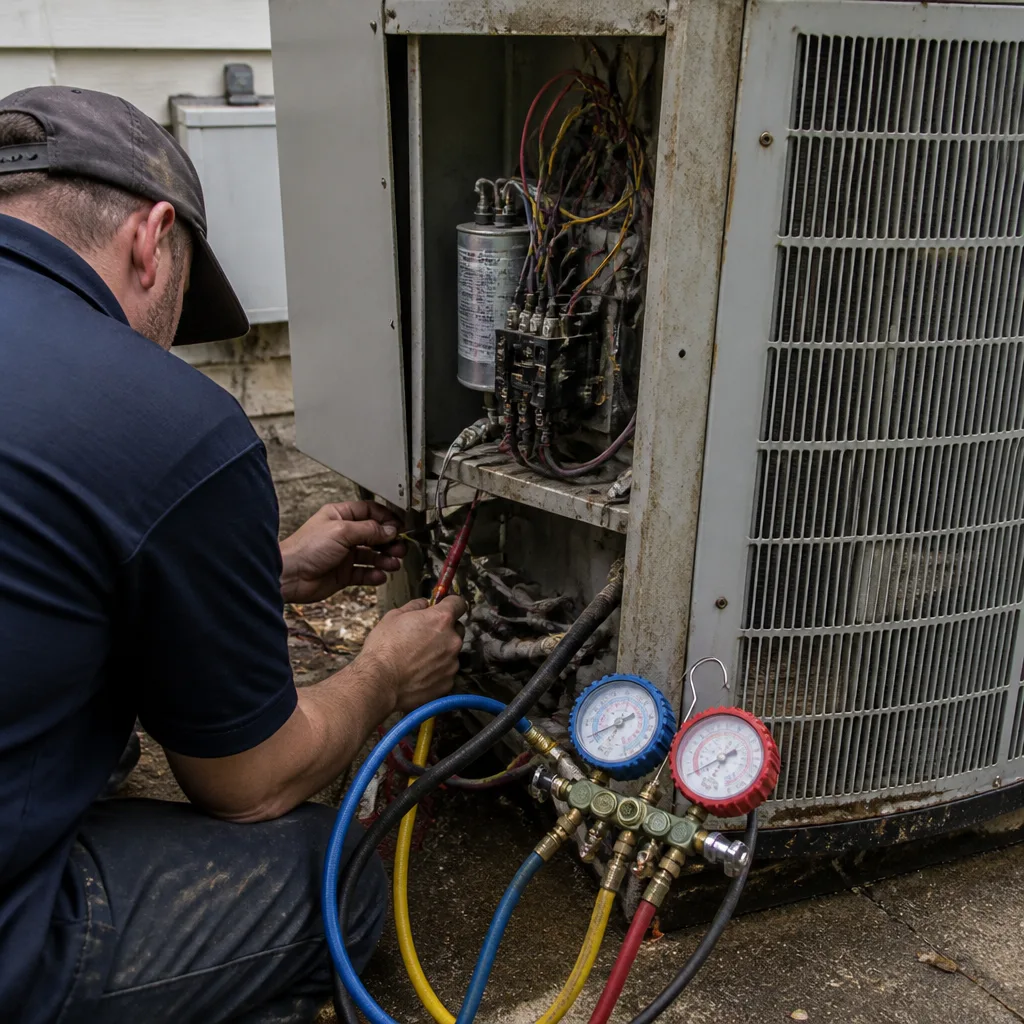 Before
 After
After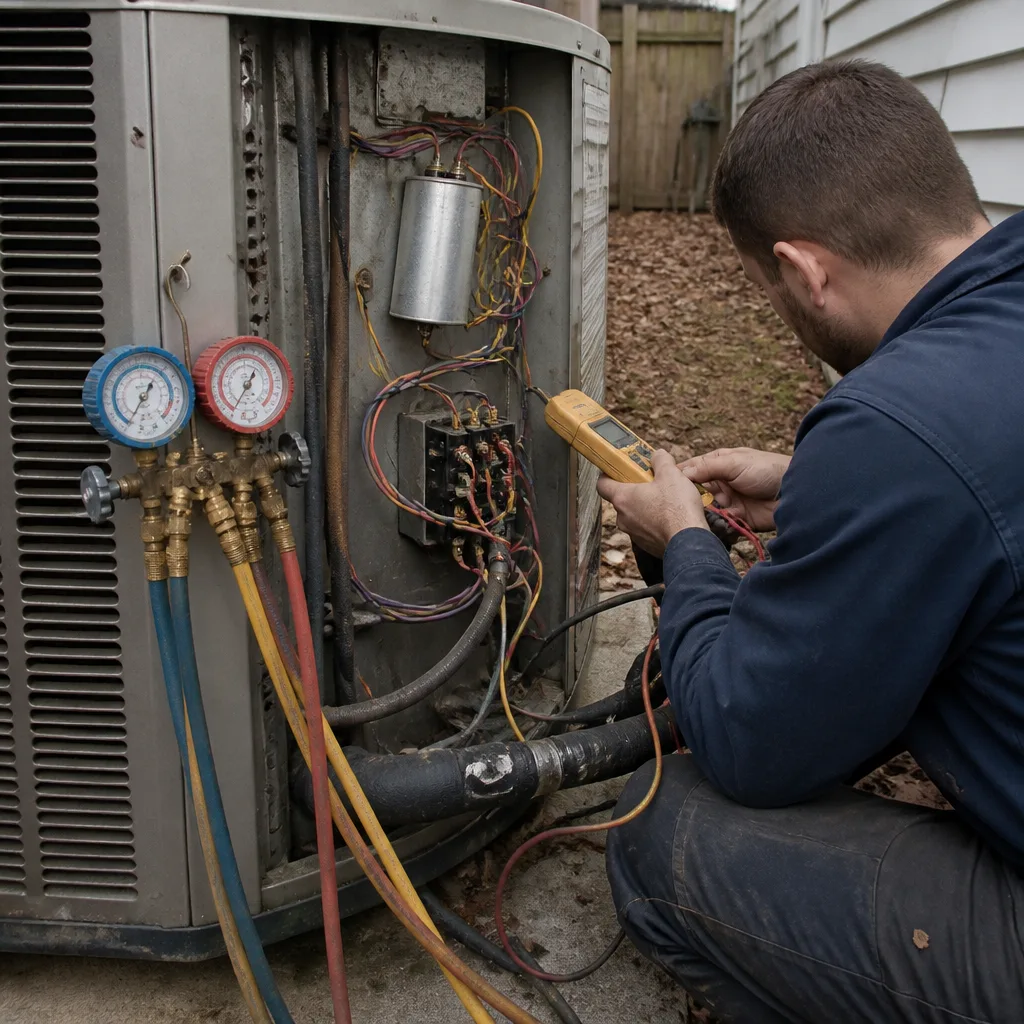 Before
 After
After