
Last updated October 16, 2026
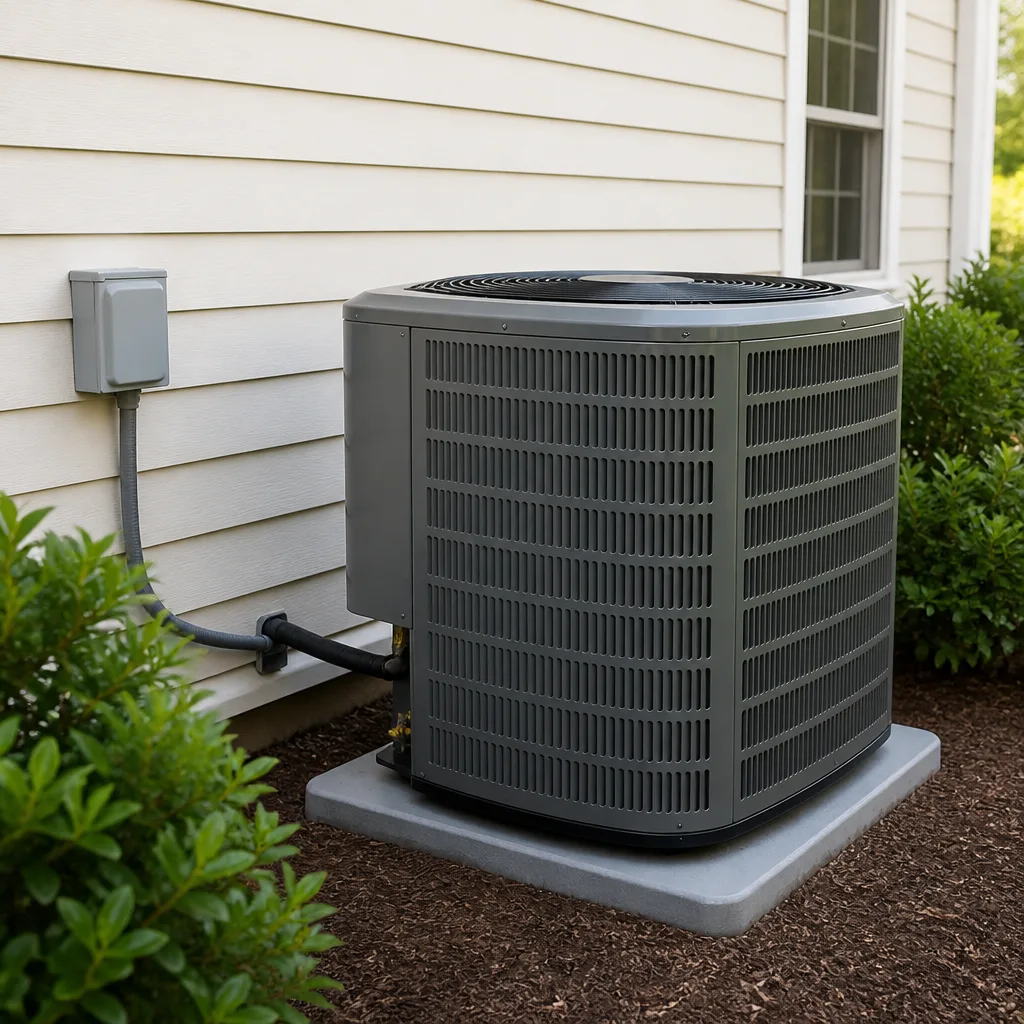 AC repair
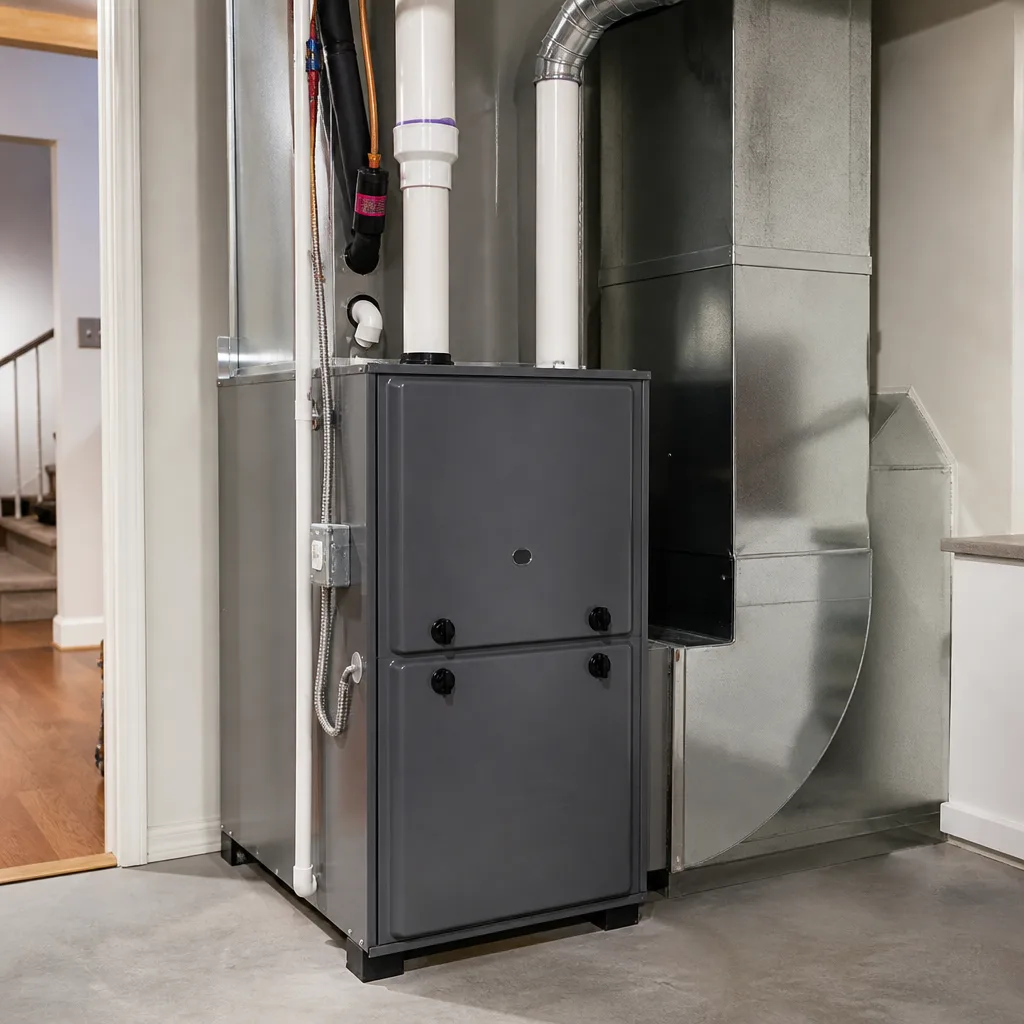 Furnace & heating
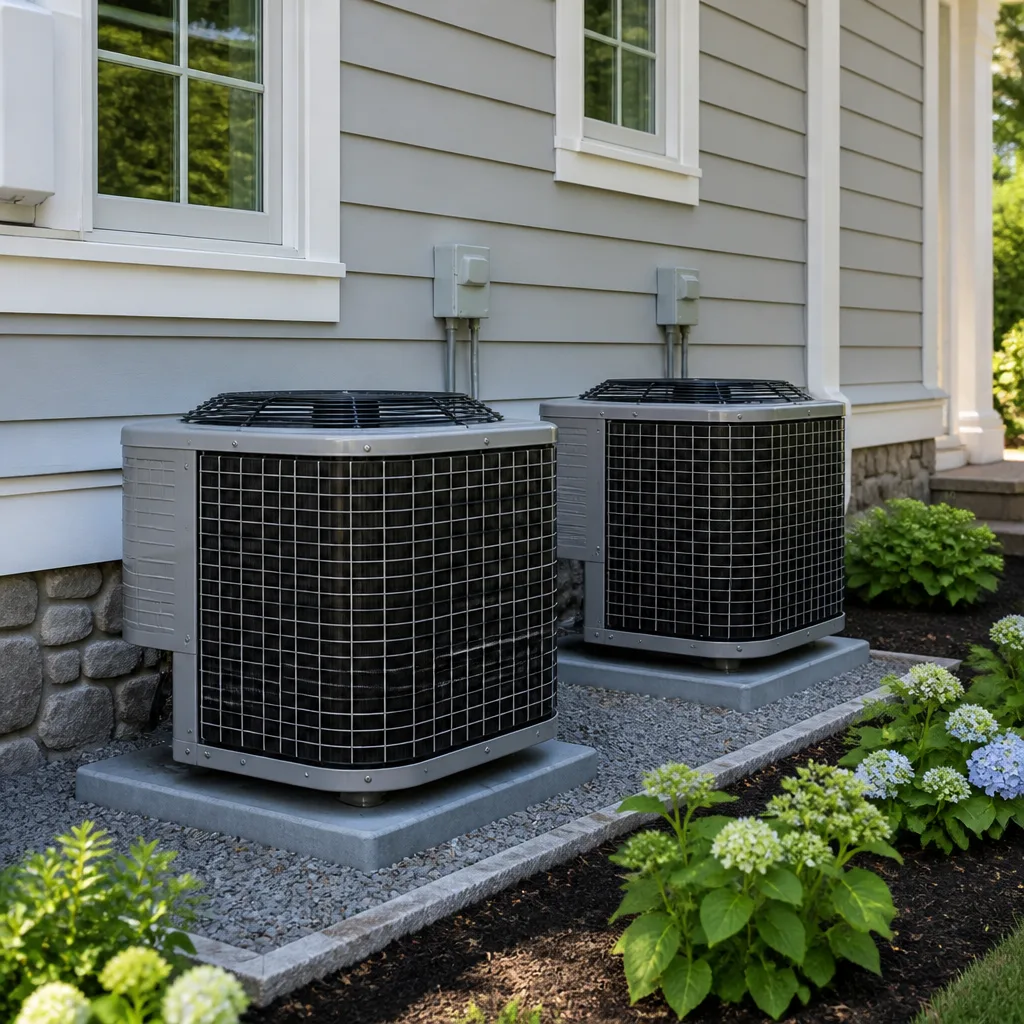 Heat pumps
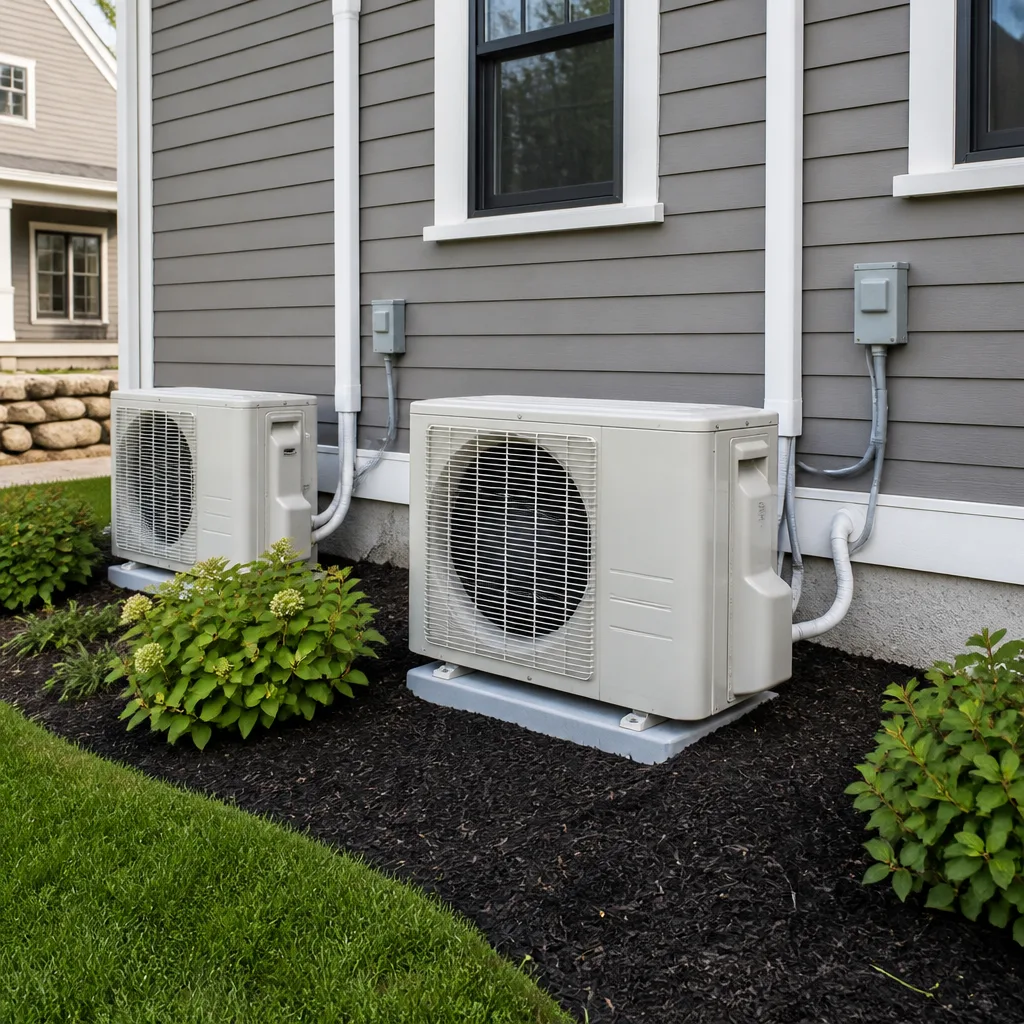 Ductless mini splits
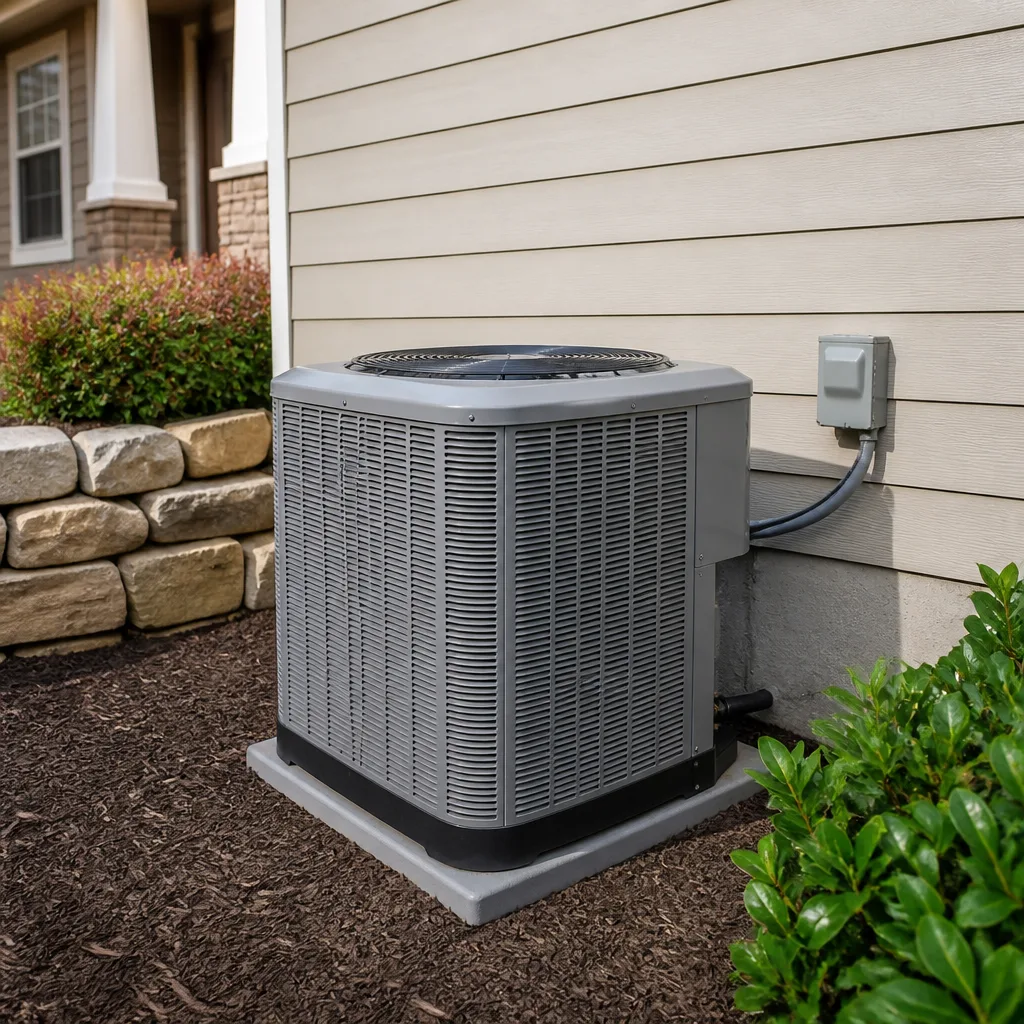 Carrier
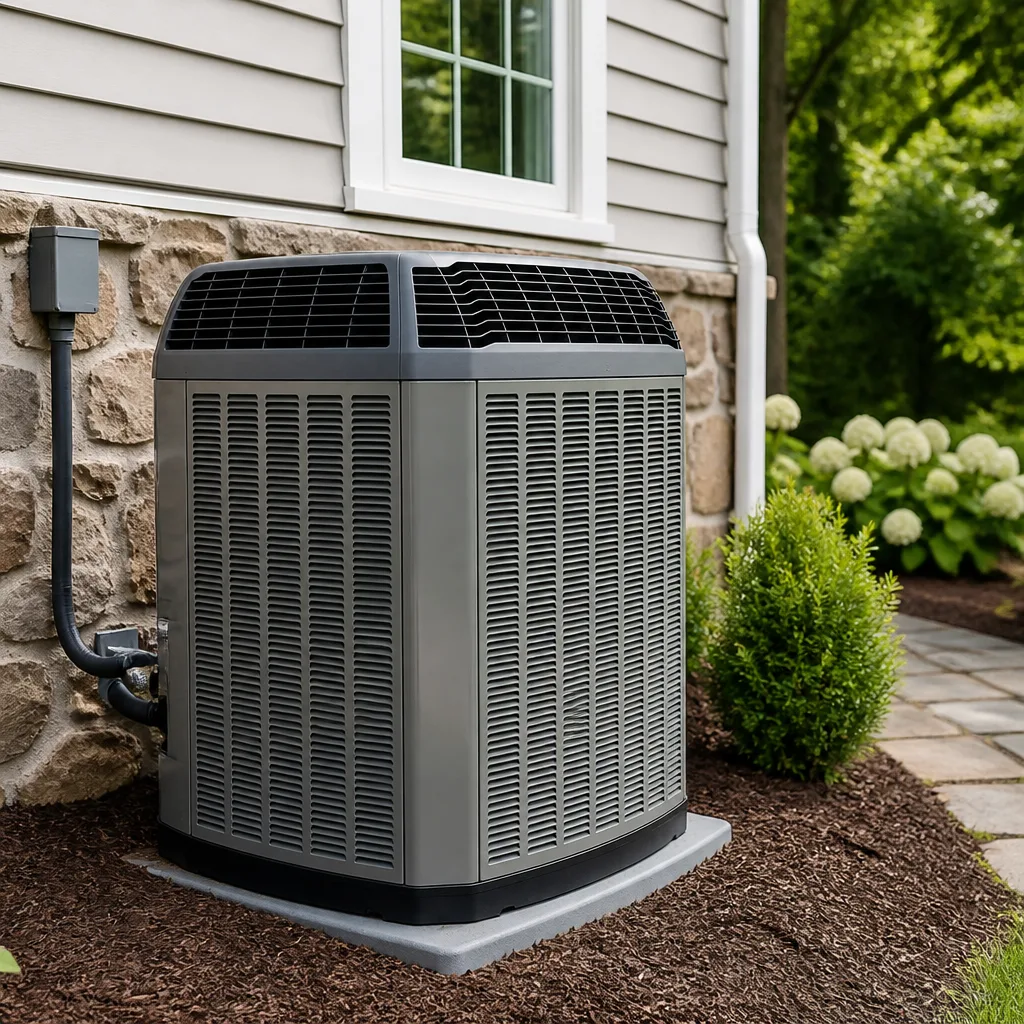 Trane
Trane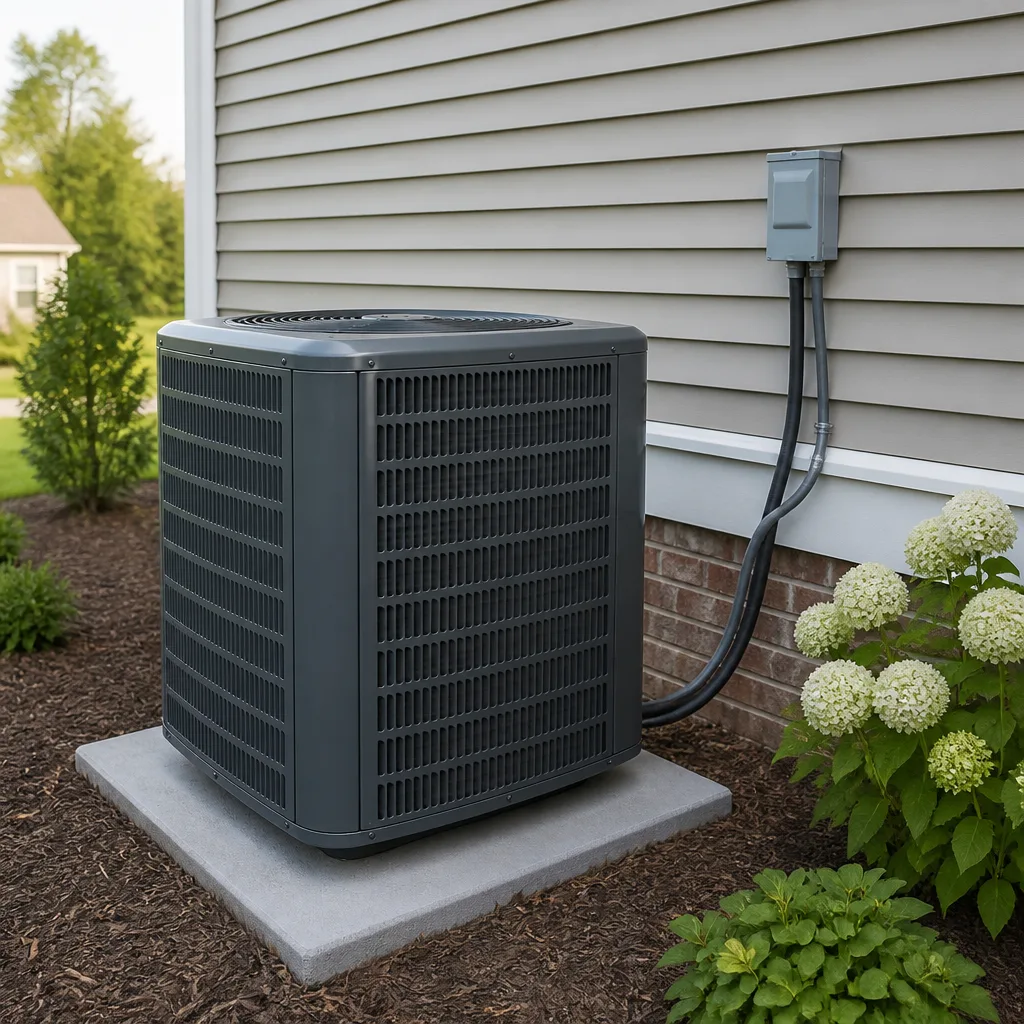 Goodman
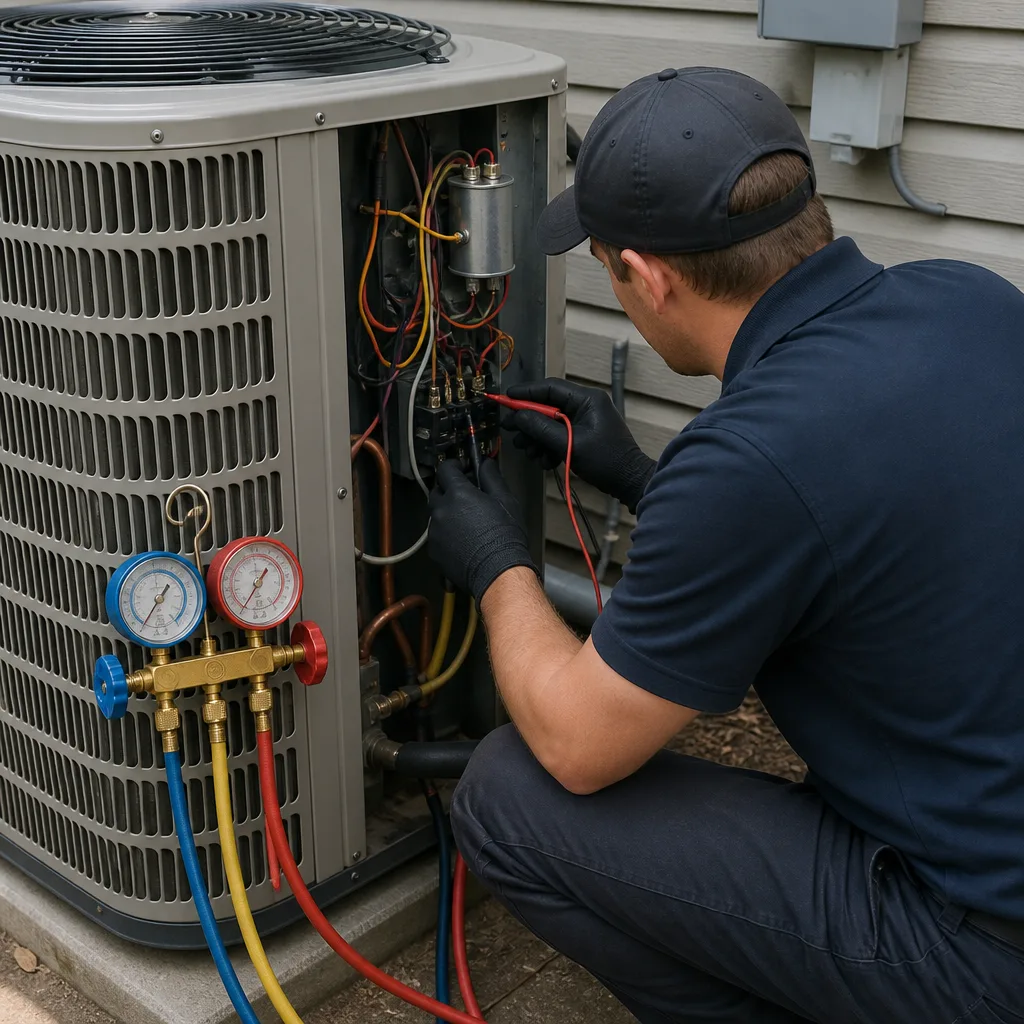
Seasonal tune-up and full diagnostic on your Carrier, Trane, or Goodman system - readings shown to you before any repair is proposed
Diagnosis first, numbers second - you approve the repair price before a single part goes in.
Get your free estimateThe Complete Guide to HVAC in Alpharetta
Alpharetta added more than 8,000 housing units between 2010 and 2023. That means thousands of homes across the city are running original heating and cooling equipment that was sized for a quieter, less developed Alpharetta than the one that exists today. If you live in one of those homes, your system is now working against two things the original builder never accounted for: a hotter local microclimate and a housing stock that has aged in ways no manual predicted. This guide maps the equipment choices, load calculations, code realities, and service decisions that actually match Alpharetta’s housing stock and climate conditions, and you can find more guides & resources on our blog. You will learn what things cost here, what local permits require, which brands you can actually get parts for same-week, and when a repair makes more sense than a replacement.
Styles & brands we work with
Quick Answer
HVAC work in Alpharetta spans everything from $150 diagnostic calls to $12,000-plus full system replacements, and the right choice-whether to repair or replace-depends on the age of your home, the jurisdiction you live in, and the condition of your ductwork. For a deeper look at this decision, see our DIY vs Professional HVAC: The Alpharetta Homeowner’s Decision Guide. Homes built during Alpharetta’s 1985-2000 boom often share specific duct and load problems that newer subdivisions do not have, while corridors like Avalon and Old Milton Parkway run measurably hotter than the rest of the city. The single most important discipline in this market is written pricing before work starts, because Alpharetta has enough technician turnover that verbal promises do not protect you.
Table of Contents
- How Alpharetta’s Climate Affects HVAC Design and Performance
- How Much Does HVAC Work Cost in Alpharetta?
- Alpharetta City vs. Fulton County Permits: Why Jurisdiction Matters
- Common Duct Problems in 1985-2000 Alpharetta Homes
- Which HVAC Brands Are Actually Stocked in North Fulton County
- Written Repair Guarantees vs. Verbal Warranties: The Tension You Are Paying For
- Should You Repair or Replace Your System in Alpharetta?
- How to Prepare for HVAC Work: A Checklist for Alpharetta Homeowners
- Common Mistakes to Avoid
- When to Call a Professional
- Frequently Asked Questions
- The Bottom Line
How Alpharetta’s Climate Affects HVAC Design and Performance
Alpharetta sits in a humid subtropical zone where air conditioning runs from April through October and heating demand spikes from December through February. Summer design temperatures used by HVAC engineers in this area run around 93 degrees Fahrenheit, but that number does not account for what has happened along the city’s commercial corridors. The asphalt, concrete, and multi-story development concentrated around Avalon, North Point, and Old Milton Parkway hold heat well into the evening. In our experience, we regularly see homes in these areas running cooling loads 5 to 10 percent higher than what a standard Manual J calculation based on citywide averages would predict. Manual J is the industry-standard load calculation that measures a home’s heating and cooling needs based on square footage, insulation, window orientation, and local climate data. When that calculation is run with older or generic climate data, it undersizes equipment.
For homeowners, this has a practical consequence. If your system was installed before 2015 and you live within a mile of a major commercial corridor in Alpharetta, your equipment may be slightly undersized for the heat it now faces every afternoon. That shows up as longer run times, higher summer electric bills, and a system that struggles to hold 73 degrees on the hottest weeks of the year. It is not that your equipment has failed. It is that the conditions it was designed for no longer exist.
The same phenomenon works in reverse during winter. Alpharetta’s winter design temperature is around 22 degrees Fahrenheit, but the city frequently sees overnight drops into the teens. Heat pumps sized on old load data lose capacity exactly when you need it most, which pushes the system into expensive auxiliary heat strip territory. If you have noticed your heat pump running constantly during cold snaps while the air from the vents feels lukewarm, undersizing is often part of the story.
The takeaway is not that every Alpharetta home needs new equipment. The takeaway is that load calculations matter more than brand badges, and a contractor who reuses the last unit’s size without checking the current load of your actual home is guessing. That guess is usually cheap at the quote stage and expensive on the utility bill.
How Much Does HVAC Work Cost in Alpharetta?
Alpharetta HVAC pricing tracks the metro Atlanta market but runs slightly above the statewide average because of local permit costs, distributor pricing, and the higher-cost housing stock. For detailed numbers, see our HVAC Cost Breakdown: The Alpharetta Homeowner’s Reference for 2026. What you pay depends on the type of job, the age of the equipment, and whether the work falls under city or county jurisdiction. The figures below are realistic ranges for this market in 2026, not national averages.
| Job Type | Typical Range in Alpharetta | Notes |
|---|---|---|
| Diagnostic service call | $89 – $159 | Some companies waive this if the repair is approved on the same visit |
| AC repair (capacitor, contactor, fan motor) | $180 – $450 | Parts cost varies; capacitor and contactor jobs run at the low end |
| Furnace repair (igniter, flame sensor, pressure switch) | $150 – $400 | Igniters and flame sensors are the most common mid-season failures |
| Refrigerant recharge (R-410A) | $250 – $650 | Leak search included in the estimate; R-410A prices have risen sharply |
| Full AC replacement (condenser and coil) | $6,500 – $11,000 | Depends on SEER rating, brand availability, and ductwork condition |
| Full furnace replacement | $4,500 – $8,000 | 80% AFUE units sit at the low end; 96% AFUE two-stage units at the high end |
| Heat pump installation (full system) | $8,000 – $14,000 | Cold-climate heat pumps command a premium in this market |
These are line-item ranges, not firm quotes. The only number that matters is the one a contractor puts in writing before work starts. Anything less than that is a door price waiting to change.
Alpharetta City vs. Fulton County Permits: Why Jurisdiction Matters
This is a detail most HVAC guides never touch, and in Alpharetta it changes what your contractor owes you on paper. The city of Alpharetta operates its own permitting and inspection process through the Alpharetta Community Development office. Homes inside city limits follow the city’s mechanical permit path. Homes that sit just outside the city limits, even with an Alpharetta mailing address, fall under unincorporated Fulton County jurisdiction. That matters for two reasons.
First, the permit fees differ. City permits for mechanical work on a residential system typically run lower than the county’s equivalent. Second, the inspection process differs in scheduling and strictness. A contractor who works regularly in Alpharetta proper will know which office to file with and roughly when the inspector shows up. A contractor who treats your Alpharetta mailing address as proof of city jurisdiction has not done the paperwork right, and you are the one who gets the correction notice.
The Garrison Code that governs how we operate includes a simple rule: arrive inside the stated window, put the price in writing before starting, do the job by the book, leave the site clean, and stand behind the work for a full year. “By the book” means the permit is pulled by the contractor, not left to the homeowner, and the inspection is scheduled before the final payment is due. If a contractor tells you a permit is not needed for a full system replacement in Alpharetta, that is incorrect in both city and county jurisdictions. A permit is required for any equipment swap that involves new refrigerant lines, gas connections, or electrical disconnect work. Repairs that replace a single component, like a capacitor or igniter, do not typically require a permit in either jurisdiction.
Before you sign anything, ask your contractor one question: “Is my home in Alpharetta city jurisdiction or Fulton County jurisdiction?” A contractor who knows this market answers instantly, usually with your neighborhood name attached. A contractor who hesitates has not done the homework.
Common Duct Problems in 1985-2000 Alpharetta Homes
Alpharetta’s ranch-style and split-level homes built between 1985 and 2000 share a generation of problems that newer subdivisions do not have. These homes were typically framed and ducted fast during boom years, and the materials used for duct sealing have a finite life. If you own one of these homes, here is what we regularly find when we open up the attic or crawlspace.
First, flex duct that has come apart at the collar. Flex duct is the flexible, insulated tubing that connects your main trunk line to the room vents. In homes from this era, the nylon zip ties used to secure flex duct to the metal collars dry out and snap. When that happens, the duct sags and conditioned air gets dumped into the attic or crawlspace instead of the room. Second, collapsed duct runs where the inner liner has separated from the outer insulation. This restricts airflow and forces your blower motor to work against a blocked path, which shortens motor life and raises cooling costs. Third, return air starvation. Many 1980s and 1990s Alpharetta homes have a single central return in the hallway, which was fine when the house was built but becomes a bottleneck when you replace the system with a modern high-efficiency unit that needs more airflow.
The practical test for duct problems is simple. Walk through your home and note which rooms run hot in summer. If one bedroom stays at 78 while the rest of the home holds 73, the equipment is probably not the problem. The duct run serving that room is. A proper diagnostic visit includes a static pressure test, which measures how hard your blower is working against the resistance of your ductwork. High static pressure is the single clearest sign that your ducts, not your equipment, are the bottleneck. We fix this by sealing collars, repairing or replacing damaged flex runs, and in the worst cases adding a second return. This is the work that separates a real AC repair in Alpharetta from a parts-swapping visit.
Which HVAC Brands Are Actually Stocked in North Fulton County
Brand discussions usually miss the point in Alpharetta. The brand on the cabinet matters less than the parts availability in the local supply chain. North Fulton County is served by a network of wholesale distributors that stock certain lines deep and other lines thin. When you need a repair in July, the difference between a system back online the same day and a system down for a week often comes down to which distributor has your part on the shelf in Alpharetta or neighboring Roswell.
In this market, Rheem and York parts are consistently stocked deep at multiple distributor locations. Daikin has grown its presence over the last several years and now maintains reasonable local inventory for common repair parts. Bryant runs through the same distributor network as Carrier, which means availability tracks the larger Carrier ecosystem. For replacement systems, the same logic applies. If a contractor recommends a brand whose distributor requires a 10-day order-and-wait cycle for the air handler, you will wait 10 days even though the contractor quoted you a three-day install.
We service all nine major residential HVAC brands: Carrier, Trane, Lennox, Goodman, Rheem, York, Daikin, Bryant, and American Standard. Factory training across that range means we are not steering you toward whatever brand we happen to have a supply deal with. For a heat pump installation in Alpharetta, the brand conversation should start with the load calculation and end with the warranty terms and parts availability. The badge on the air handler is the least interesting thing about the system.
Written Repair Guarantees vs. Verbal Warranties: The Tension You Are Paying For
Alpharetta has high HVAC technician turnover. That is not a trade secret; it is a structural feature of a market where a skilled tech can move between companies without changing zip codes. When a technician gives you a verbal promise, that promise retires the day they take another job. A written guarantee survives the technician, the dispatcher, and the ownership group. That distinction is not legal hair-splitting. It is the difference between a repair you can rely on and a repair you hope holds.
Here is what a written repair guarantee should actually cover. First, the specific part installed and its labor, in writing, with a term stated in days. Second, what happens if the same symptom returns within that term. Third, whether the return visit is free or discounted. Fourth, whether the guarantee transfers if the contractor is acquired or the technician leaves. We guarantee every repair in writing for a full year through our 365-Day Done Right Promise. If the repair fails in that window, we return at no charge and make it right. That is the standard, in writing, on every furnace repair in Alpharetta and every AC repair we perform. A verbal warranty covers a conversation. A written guarantee covers a year.
Ask your contractor this before approving any repair: “Will you put that guarantee in writing with the term and the return-visit terms stated?” If the answer is anything other than an immediate yes, what you are being offered is a verbal warranty, not a written guarantee. In a market with technician churn, that distinction is worth real money.
Should You Repair or Replace Your System in Alpharetta?
The repair-versus-replace decision in Alpharetta is governed by three numbers. Here is the step-by-step logic we walk through with homeowners.
- Age of the equipment. Air conditioners and heat pumps in this climate last 12 to 18 years depending on maintenance and installation quality. Furnaces run 15 to 22 years. If your compressor has failed and the system is past 14 years old, a repair buys you time, not a future. But if the system is 8 years old and the failure is a capacitor, the repair is the obvious call.
- Cost of the repair relative to replacement. A useful benchmark is 30 percent. If the repair cost hits 30 percent or more of the replacement cost for a system past 10 years old, replacement starts making financial sense. A $450 furnace repair on a system that would cost $5,000 to replace is a repair. A $2,400 compressor replacement on an 11-year-old unit that would cost $9,000 to replace is a conversation about a new system.
- Condition of the ductwork. This is the Alpharetta-specific variable. If your 1988 split-level has the duct problems described above, replacing the equipment without fixing the ducts means your new high-efficiency system runs exactly as poorly as the old one, and you paid full price for the privilege.
Refrigerant chemistry is also part of this equation now. R-410A, the refrigerant in most systems installed between 2010 and 2024, has become significantly more expensive as the industry phases it out. If your system has a leaking evaporator coil and needs a full refrigerant recharge, the combined repair bill can exceed $1,200 on a system that is near the end of its useful life regardless. That money goes further as a down payment on a new system with the current refrigerant chemistry.
How to Prepare for HVAC Work: A Checklist for Alpharetta Homeowners
Good HVAC outcomes are partly a function of what the homeowner does before the technician arrives. This checklist covers the basics for both repair visits and full replacement days.
- Clear the work area. Move furniture, boxes, and stored items away from the indoor air handler and the outdoor condenser. Technicians need roughly three feet of clear space on all sides of the outdoor unit.
- Locate your access points. Know where the attic access, crawlspace entry, and electrical panel are before the visit. If the panel is in a closet, clear the path to it.
- Write down your symptom history. When did the system start misbehaving? What does it sound like? Does it run but not cool, or not run at all? This saves diagnostic time and gets you a more accurate written estimate.
- Secure pets. A friendly dog is still a hazard in a workspace. Put pets in a closed room during the visit.
- Ask for the written estimate before work starts. The price should be in writing before any wrench turns. If a contractor balks at this, that is the end of the visit.
- Verify the permit for replacement work. Ask whether the job is in Alpharetta city or Fulton County jurisdiction and confirm the contractor is pulling the permit.
The goal of this list is not to make you do the technician’s job. It is to remove the friction that turns a 90-minute repair into a three-hour visit with surprise charges.
Common Mistakes to Avoid
- Accepting a size-for-size equipment swap without a new load calculation. If your Alpharetta home was built before 2015, the original equipment may have been sized for conditions that no longer exist. A new unit that matches the old one inherits the old problems.
- Ignoring duct leaks while replacing the equipment. In the 1985-2000 Alpharetta housing stock, duct problems are the most common cause of persistent comfort complaints after a system replacement. Fix the ducts before you blame the new equipment.
- Skipping the written guarantee because the technician seems knowledgeable. A verbal promise does not survive technician turnover, and Alpharetta has plenty of turnover. Get it in writing with a stated term.
- Choosing a brand based on a billboard instead of parts availability. In North Fulton County, Rheem, York, and Daikin have solid local parts depth. A boutique brand with no local distributor means long waits for repairs.
- Assuming your Alpharetta mailing address means Alpharetta city permits. Homes just outside city limits fall under Fulton County jurisdiction. Make sure your contractor has checked the actual jurisdiction.
- Deferring refrigerant leak repairs because the system still cools. A slow leak only gets worse, and R-410A prices are not going down. The leak will cost more to fix six months from now than it does today.
- Using summer utility bills as your only signal that something is wrong. A system that runs longer to hold the same temperature is telling you something about the load or the ductwork. Listen to it before the compressor gives up entirely.
When to Call a Professional
Call a professional when your system runs but does not cool or heat, when it short-cycles, when you smell burning dust on startup, or when you hear a grinding or squealing sound from the condenser or blower. Call the same day if your outdoor unit is frozen over during cooling season, which often signals a refrigerant or airflow problem that will not fix itself. Call before you replace equipment, not after, because a proper load calculation and duct inspection will change what you should buy. And call when your energy use climbs with no change in your habits. That trend is a diagnostic signal, not a mystery. Dalton Heating & Air Alpharetta offers free estimates in Alpharetta. Call (229) 537-2086 and a real person answers, day or night.
Frequently Asked Questions
HVAC work in Alpharetta ranges from $89 – $159 for a diagnostic service call to $6,500 – $14,000 for a full system replacement, depending on the equipment type and your home’s specific needs. Most common repairs like capacitor swaps, igniters, and flame sensors run between $150 and $450. The price should always be in writing before any work starts. Call (229) 537-2086 for an exact quote on your system, estimates are free.
Yes, Alpharetta requires a mechanical permit for any HVAC replacement that involves new refrigerant lines, gas connections, or electrical disconnect work, whether your home is in Alpharetta city jurisdiction or unincorporated Fulton County. Simple component repairs like capacitor or igniter replacements typically do not require a permit. The contractor should pull the permit, not the homeowner.
Afternoon cooling struggles in Alpharetta usually trace to one of three causes: undersized equipment due to outdated load calculations that fail to account for the urban heat island effect along corridors like Avalon and Old Milton Parkway, leaking or collapsed ducts in 1985-2000 era homes, or low refrigerant caused by a slow leak. A static pressure test and a current load calculation will identify which one is the problem.
Rheem, York, and Daikin have the deepest parts availability in the North Fulton County distributor network, which means same-day or next-day repairs are more likely with these brands. Carrier and Bryant share a distributor network and are also well stocked. Lesser-known brands without a local distributor presence can mean multi-day waits for repair parts.
Repair is the better call if your system is under 10 years old and the repair is a single component like a capacitor, igniter, or pressure switch. Replacement starts making sense when the system is past 12 years old, the repair exceeds 30 percent of replacement cost, or the system needs a full refrigerant recharge as R-410A prices continue rising. Get a repair estimate first, then compare it against the cost of a new system before deciding.
A written repair guarantee should state the specific part installed, the labor performed, the guarantee term in days, what happens if the same symptom returns, and whether the return visit is free. Dalton Heating & Air guarantees every repair in writing for a full year through the 365-Day Done Right Promise. If the repair fails in that window, we return at no charge. Call (229) 537-2086 to book a diagnostic visit.
The Bottom Line
Alpharetta’s housing stock spans several distinct generations, each with its own HVAC vulnerabilities. Homes built before 2000 carry duct problems and outdated load assumptions that newer subdivisions do not share. Homes near the city’s commercial corridors run hotter than the climate data predicts. And every homeowner in both city and county jurisdictions needs a contractor who knows the permitting difference. The common thread across all of it is simple: get the price in writing before work starts, get the repair guarantee in writing with a stated term, and choose equipment based on parts availability and load calculations rather than brand badges. That discipline protects you in a market where too much still happens on a handshake.
Written by Marco Benitez, Owner at Dalton Heating & Air Alpharetta, serving Alpharetta since 2003.
For more on what we do, see our Dalton Heating & Air Alpharetta home page or call (229) 537-2086 any time.
See the difference
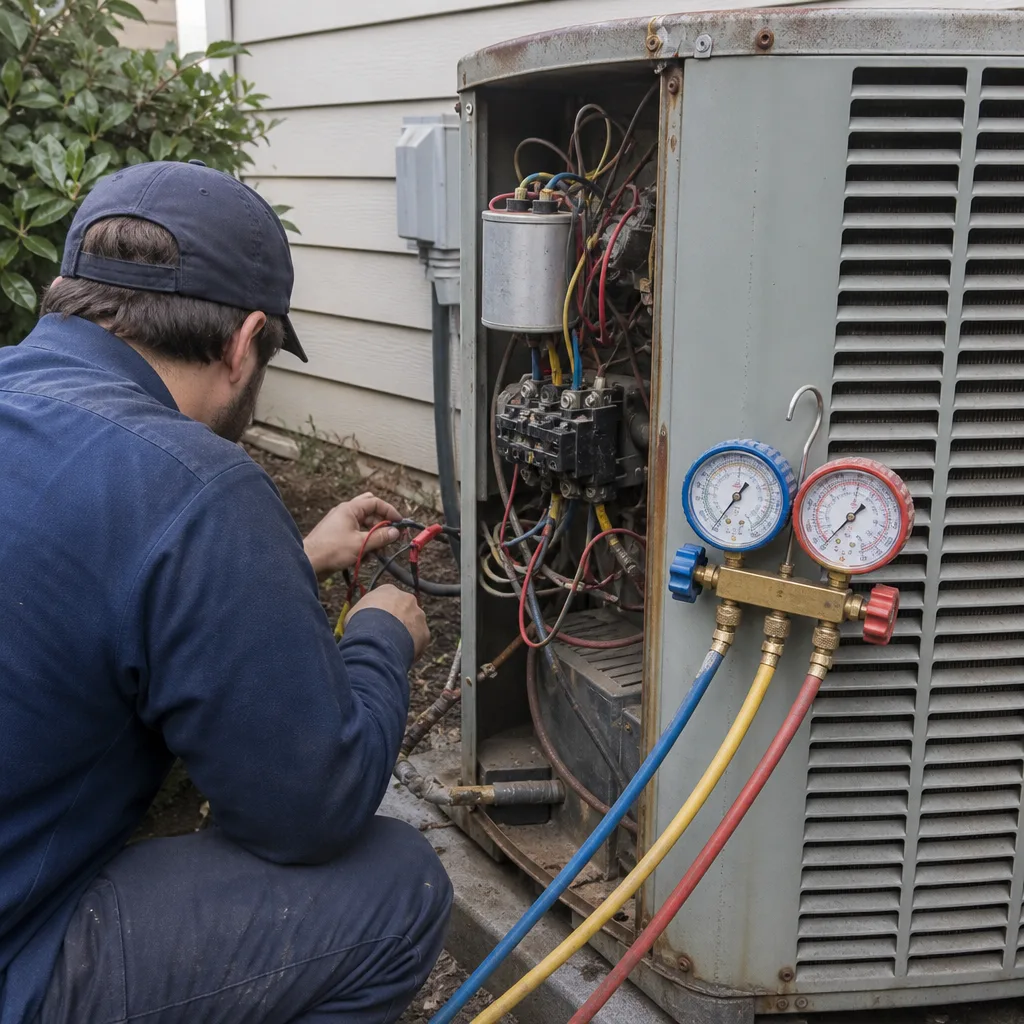 Before
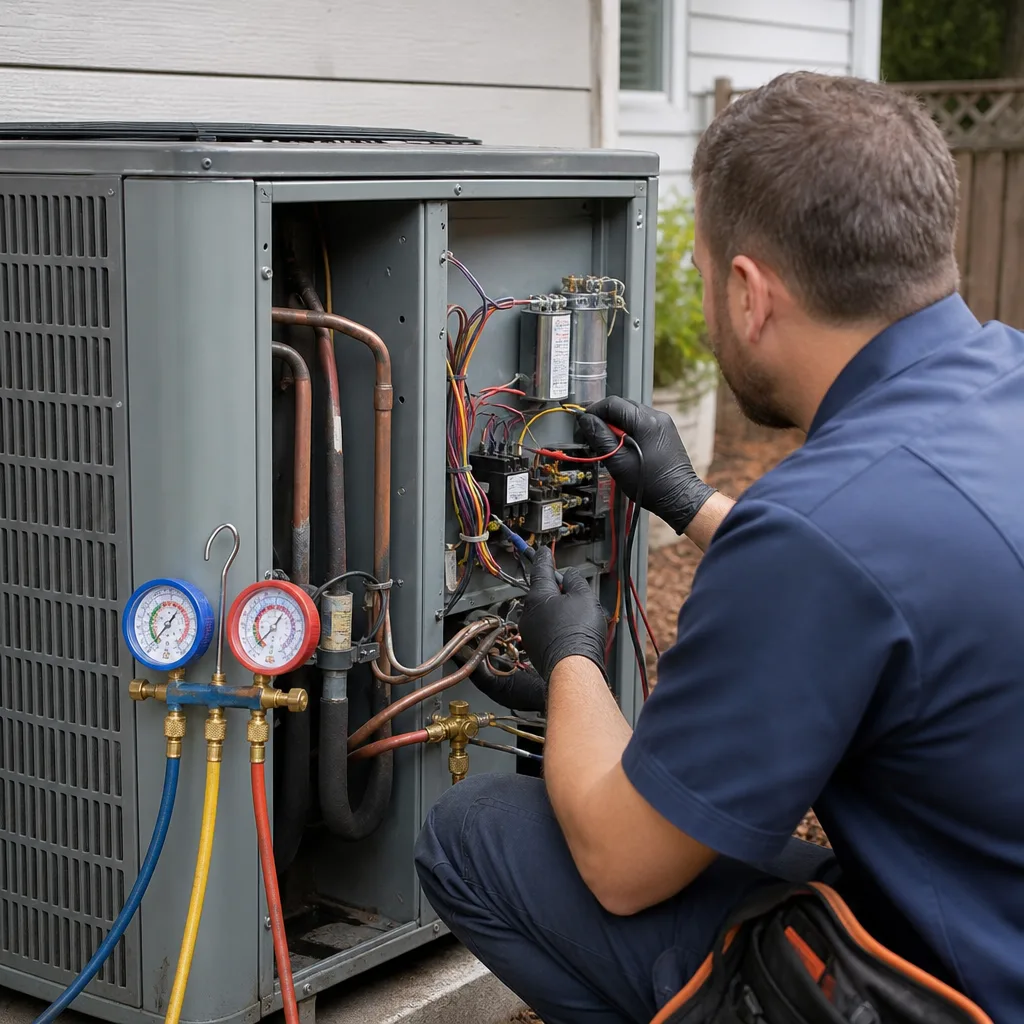 After
After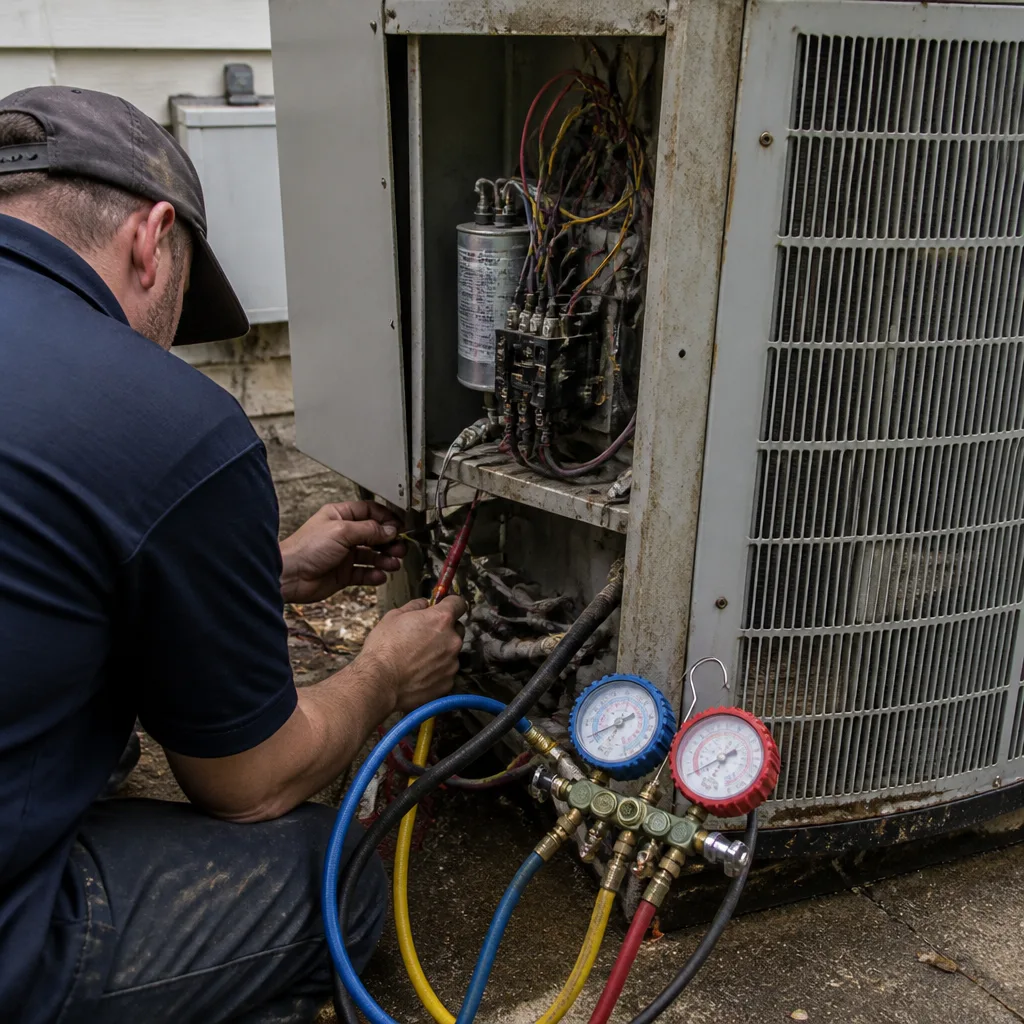 Before
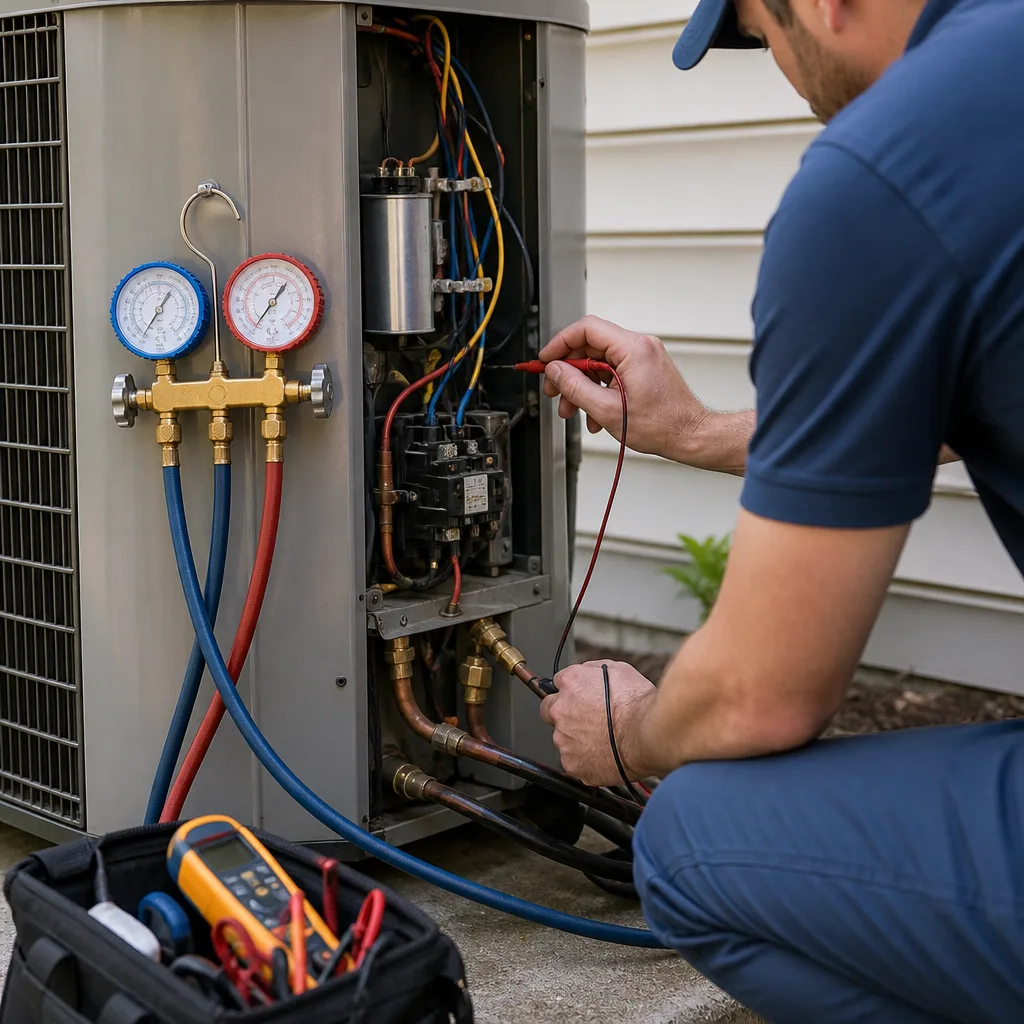 After
After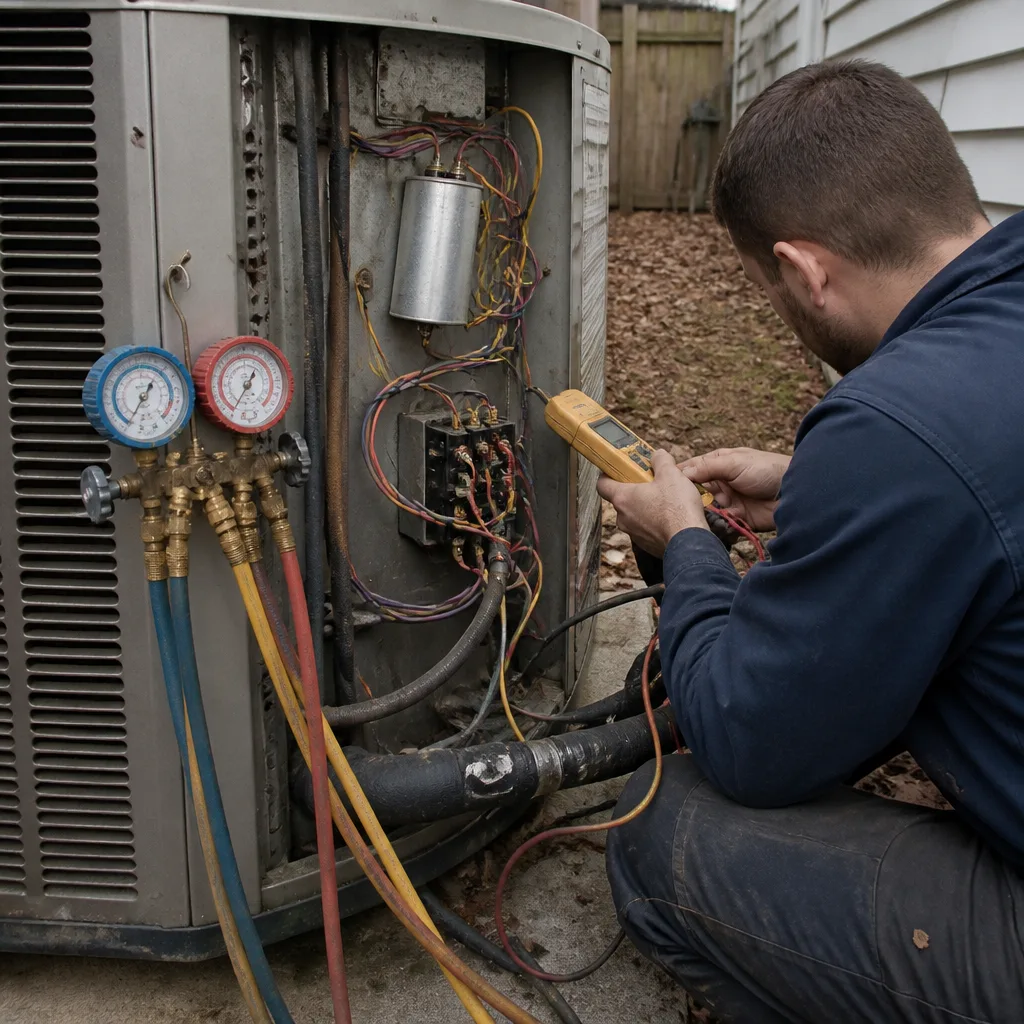 Before
 After
After