
Last updated October 16, 2026
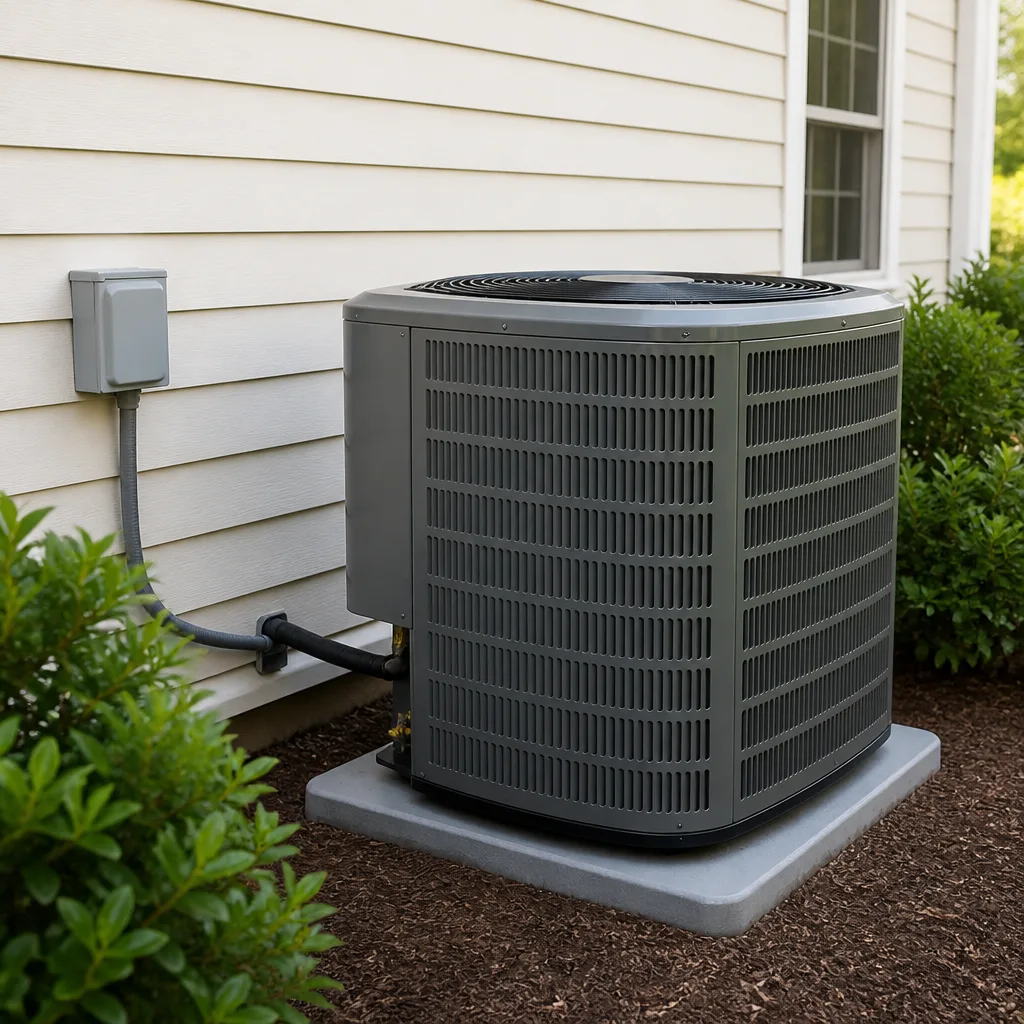 AC repair
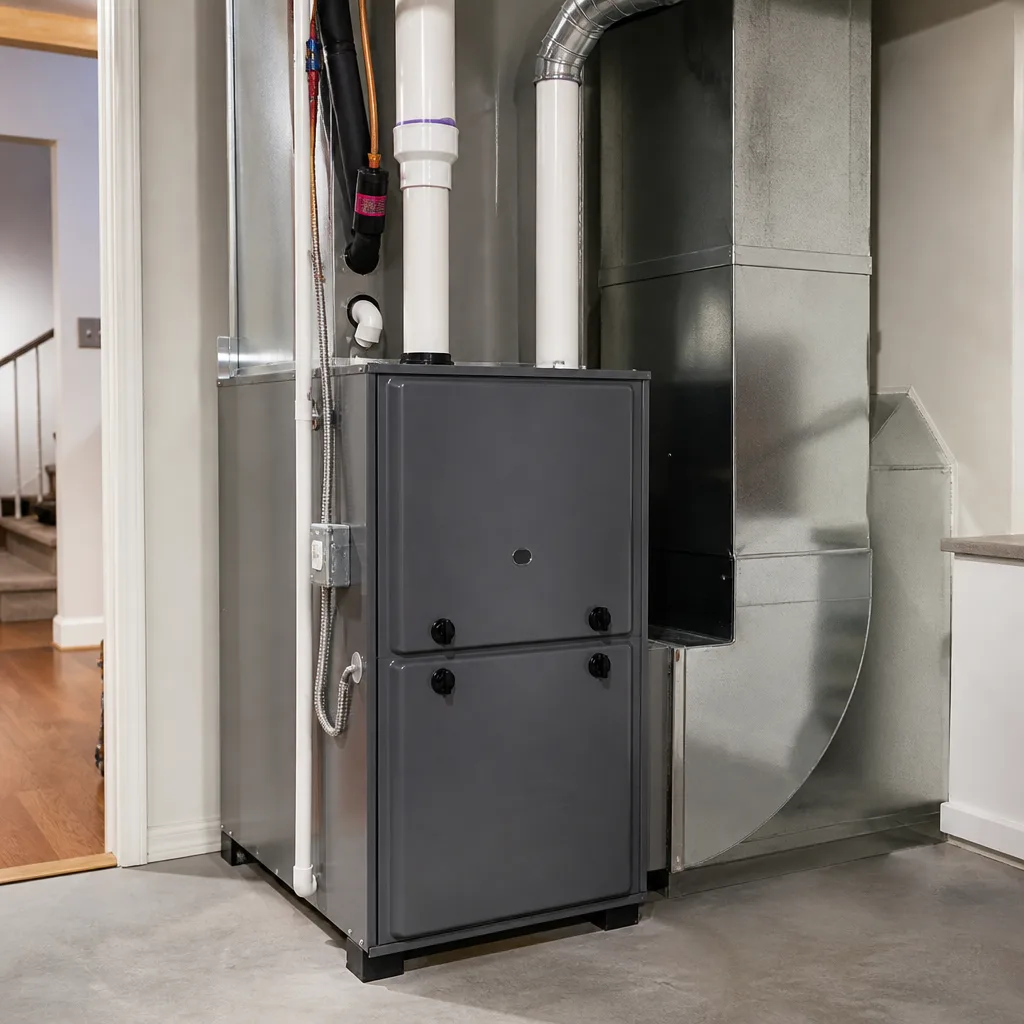 Furnace & heating
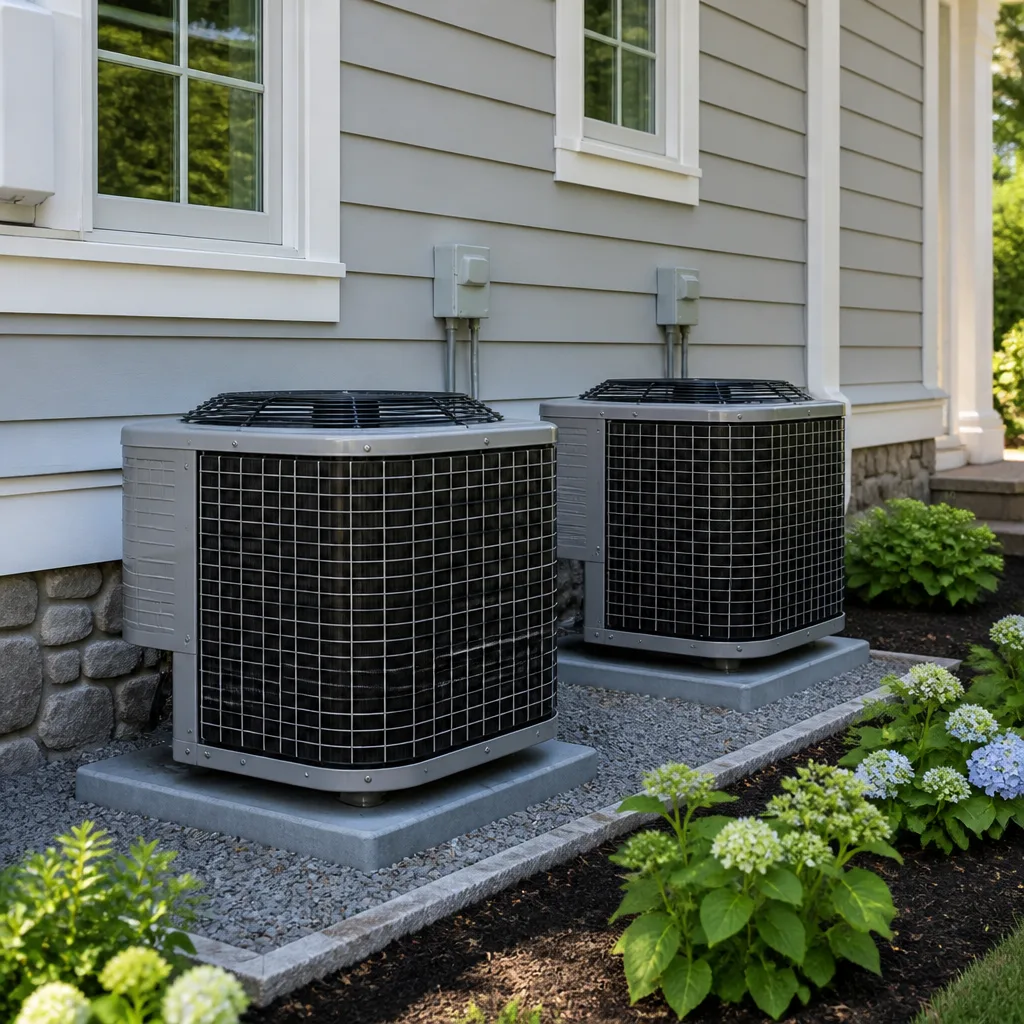 Heat pumps
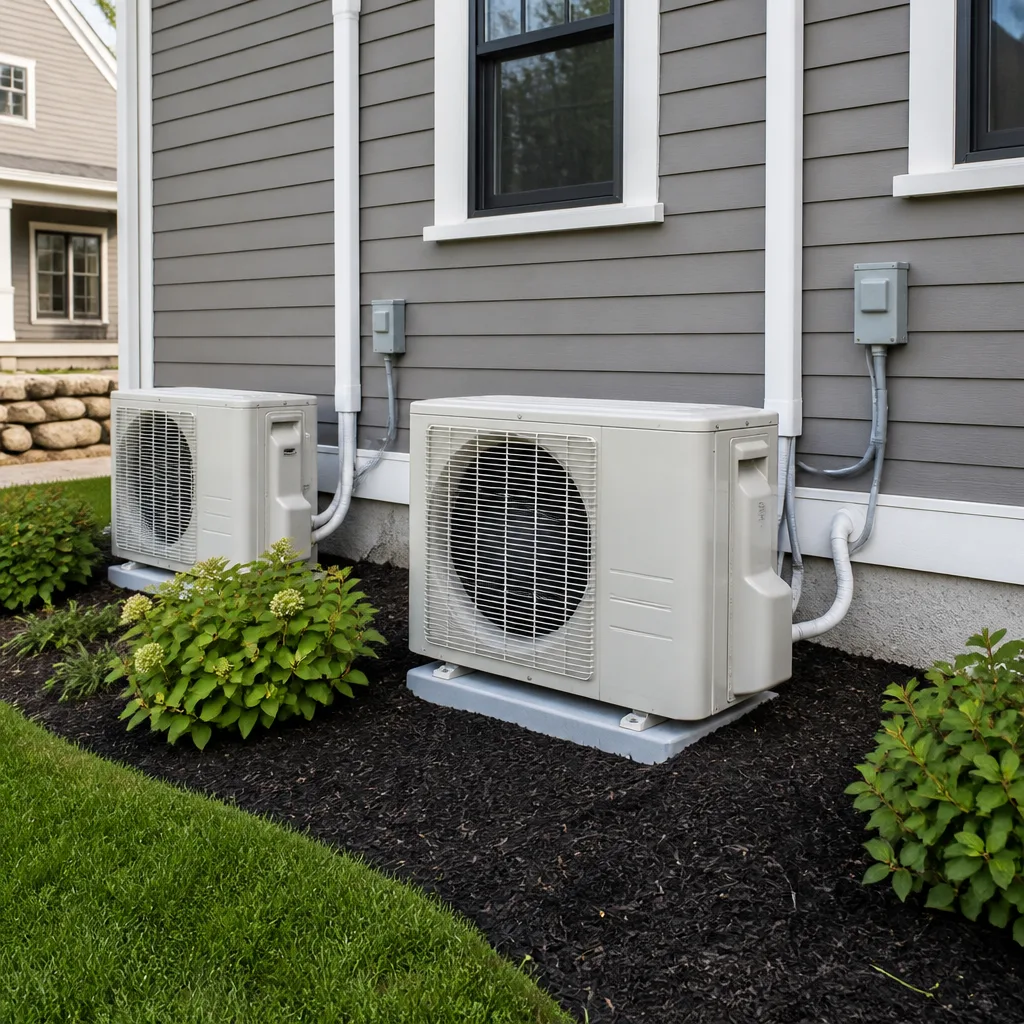 Ductless mini splits
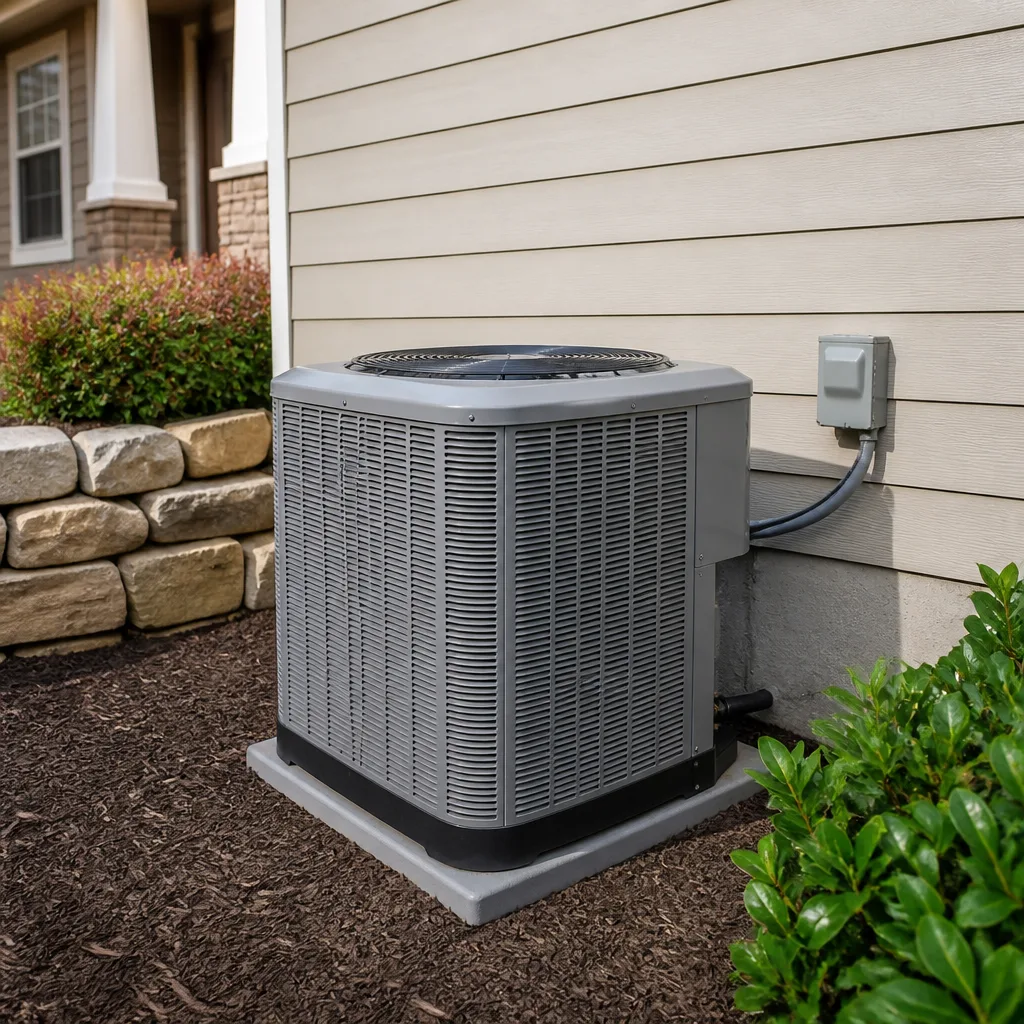 Carrier
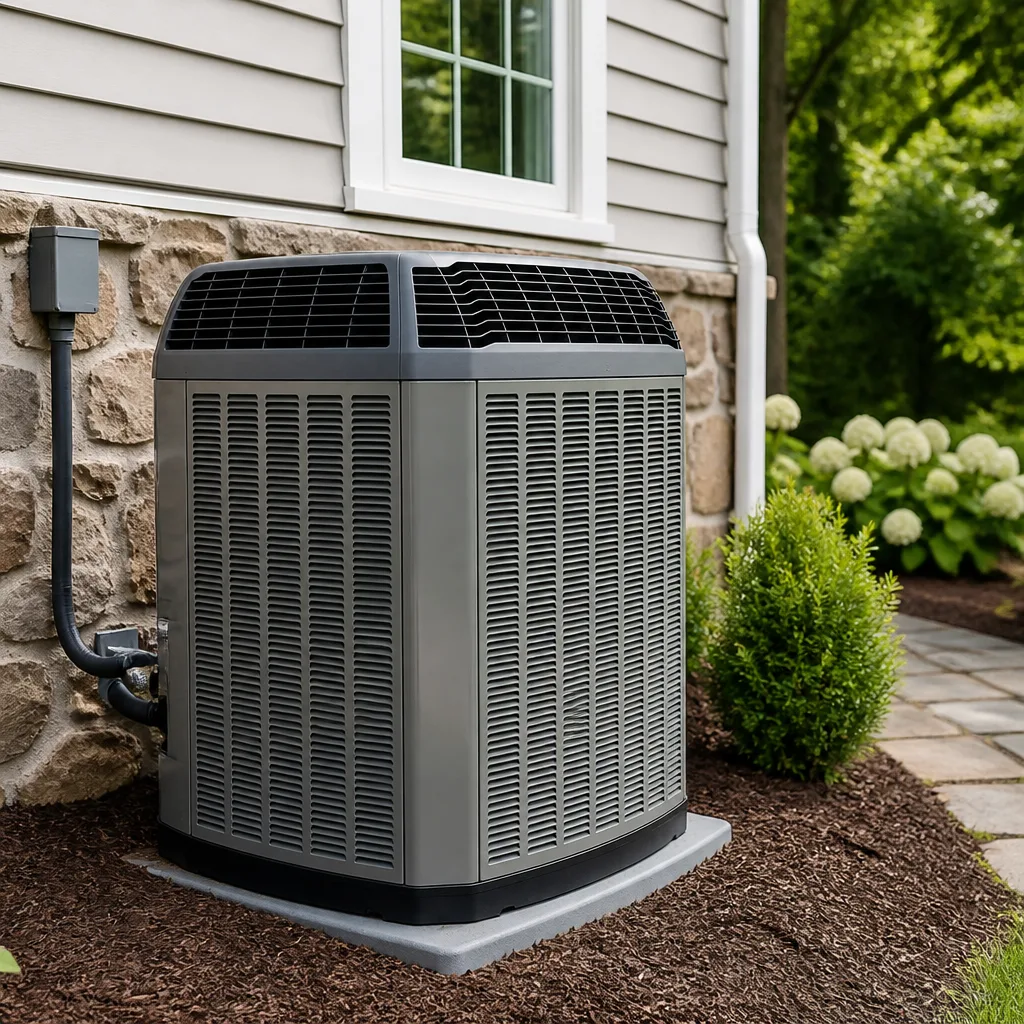 Trane
Trane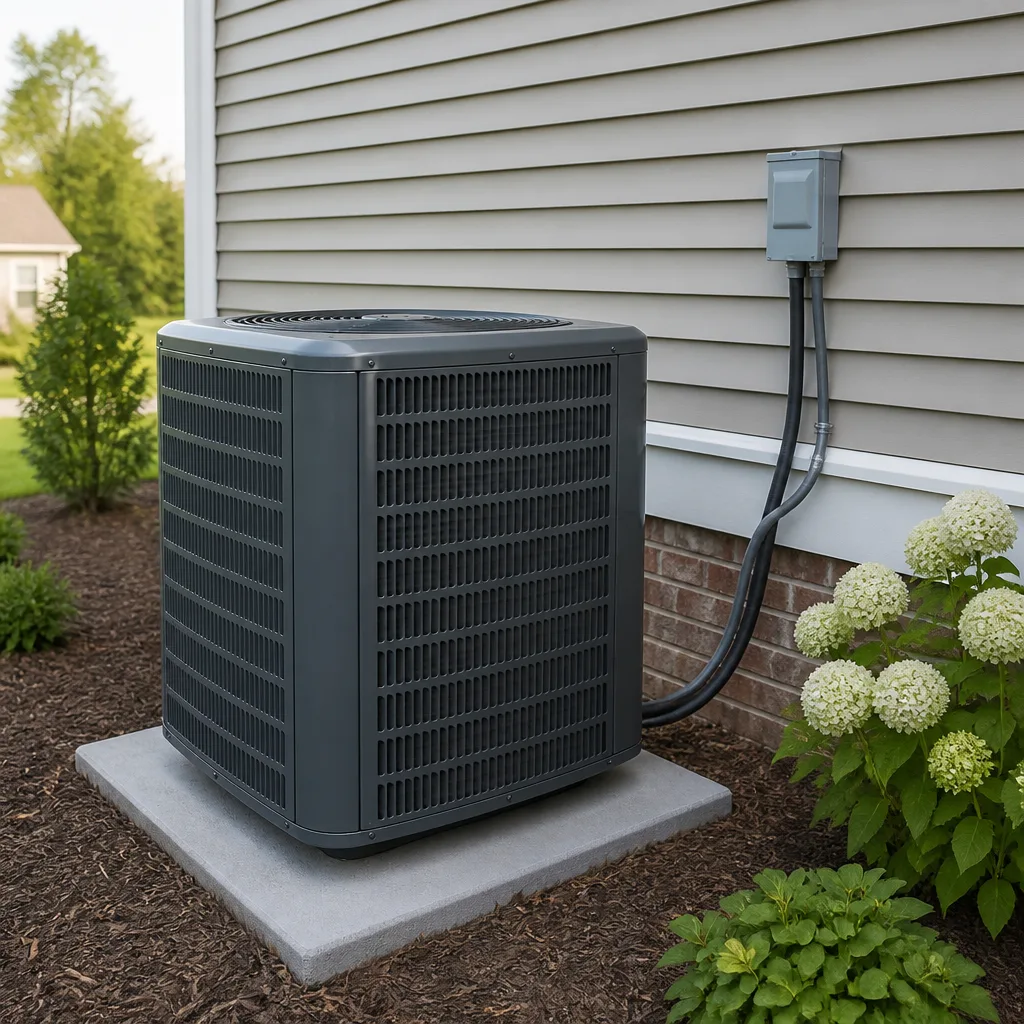 Goodman
Seasonal tune-up and full diagnostic on your Carrier, Trane, or Goodman system - readings shown to you before any repair is proposed
Diagnosis first, numbers second - you approve the repair price before a single part goes in.
Get your free estimateHVAC Warning Signs: A Alpharetta Homeowner’s Reference Guide
Here’s a statistic that surprises most Alpharetta homeowners: the phrase “my AC is making a weird noise” breaks down into at least six distinct failure types when a technician actually listens. A high-pitched squeal from the outdoor unit might be a $90 capacitor or a $400 compressor bearing. A rhythmic bang from the air handler could be a loose blower wheel ($140) or a cracked heat exchanger ($2,800). The pitch, rhythm, and location of the sound tell you which one you’re dealing with. This guide classifies HVAC warning signs by urgency and likely cost range so you can triage the problem before you call, not after the technician has already opened the unit. For a broader overview, see The Complete Guide to HVAC in Alpharetta.
Quick Answer
The most common HVAC warning signs in Alpharetta homes fall into four categories: abnormal sounds, weak or uneven airflow, short-cycling (the system turning on and off every few minutes), and electrical symptoms like tripped breakers or burning smells. Our AC Repair Maintenance Checklist for Alpharetta Homeowners covers how to catch these early. Sounds alone can indicate repairs ranging from $90 for a capacitor to $2,800 for a compressor or heat exchanger. Airflow problems often trace to duct leaks or dirty evaporator coils, while short-cycling usually points to an oversized system or a failing thermostat. Any burning odor or refrigerant hiss warrants a same-day professional visit.
Styles & brands we work with
Table of Contents
- The Sound Diagnosis Matrix: What Your HVAC Is Telling You
- Airflow Warning Signs in Alpharetta’s Two-Story Homes
- Electrical Warning Signs You Can Safely Observe
- Refrigerant Leaks: How to Spot a Real Problem Before It Damages the Compressor
- Short-Cycling: The Symptom That Doubles Your Utility Bill
- Odor and Moisture Alerts: What Your Nose and Eyes Should Catch
- How to Document a Warning Sign So the Repair Call Takes 10 Minutes
- Common Mistakes to Avoid
- When to Call a Professional
- Frequently Asked Questions
The Sound Diagnosis Matrix: What Your HVAC Is Telling You
A squeal from the outdoor condenser unit on a Trane or Carrier system usually means a failing fan motor bearing or a slipping belt on older models. Budget $90 to $250 for a capacitor or belt replacement, $350 to $600 if the fan motor itself needs replacing. A rhythmic banging or thumping from the indoor air handler is often a loose or unbalanced blower wheel, a repair that runs $140 to $300 on most Rheem and Goodman units in Alpharetta. But that same banging pattern can also indicate a cracked heat exchanger on a furnace, which is a $1,800 to $2,800 repair and a carbon monoxide risk. Don’t guess at this one.
A rattling sound from the outdoor unit usually means loose panels, debris in the fan, or a failing compressor mount. Tightening panels is a $50 service call. A compressor mount failure is closer to $400. A grinding noise is the most urgent of the mechanical sounds: it typically means metal-on-metal contact inside the compressor or fan motor, and continued operation often turns a $600 repair into a $2,500 replacement.
Here’s the matrix we use on service calls across Alpharetta:
- Squeal from outdoor unit: Fan motor bearing or belt. $90 – $600 depending on part.
- Bang or thump from air handler: Blower wheel out of balance ($140 – $300) or heat exchanger crack ($1,800 – $2,800).
- Rattle from outdoor unit: Loose panel or debris ($50 – $100) or compressor mount ($350 – $450).
- Grinding from either unit: Compressor or motor failure. $600 – $2,500. Stop running the system until it’s inspected.
- Hiss from indoor coil or lineset: Refrigerant escaping. $150 – $450 to locate and seal, plus recharge cost of $100 – $300 depending on refrigerant type.
- Clicking at startup that repeats: Failing capacitor or contactor. $90 – $220. Common on Lennox systems over 8 years old.
Airflow Warning Signs in Alpharetta’s Two-Story Homes
Alpharetta’s housing stock includes a lot of two-story colonials and craftsman-style homes built in the 1990s and 2000s, and those layouts create a predictable airflow pattern when something goes wrong. If your upstairs runs 6 to 8 degrees warmer than your downstairs in July, the first place to look is not the thermostat setting. It’s the ductwork in the attic or between floors.
Here are the four airflow patterns we see most often in Alpharetta, and what each one suggests:
- Weak airflow at every vent in the house: A dirty evaporator coil or a clogged filter. The coil sits above the furnace or inside the air handler and gets coated with dust and pet hair over time. A coil cleaning runs $250 to $450. A filter you can replace yourself for $15.
- Strong airflow downstairs, weak upstairs: Duct leakage in the attic or a damper that’s been closed. Duct sealing in a typical Alpharetta two-story runs $400 to $900 depending on accessibility.
- One room that never reaches temperature: A collapsed flex duct or a disconnected boot. This is a $150 to $350 fix, but only if the technician actually inspects the duct run rather than adding refrigerant that does not solve the problem.
- Airflow that used to be strong and is now weak in one zone only: A failing zone damper motor or a control board issue. $200 to $500 on most systems.
If you have a heat pump, uneven airflow can also mean the reversing valve is stuck partway, which stresses the compressor. In our experience, heat pump installation in Alpharetta done correctly includes airflow testing, but many older installs never had the ductwork verified. That’s the root of a lot of uneven cooling complaints in this market.
Electrical Warning Signs You Can Safely Observe
You don’t need to open any panels to spot electrical trouble. Most electrical warning signs are visible at the thermostat, the breaker panel, or the outdoor disconnect box next to the condenser. Do not open the disconnect box or the condenser panel yourself. High-voltage capacitors retain a charge even after the breaker is off, and they can injure you. Observe from the outside and document what you see.
The four electrical signs that matter most:
- Thermostat screen going blank intermittently: Usually a loose wire at the thermostat base or a failing transformer in the air handler. $90 to $250 to repair. If the thermostat is over 10 years old, replacement is $150 to $350 on most systems.
- Breaker for the HVAC tripping more than once in a month: This is never normal. It points to a compressor drawing too much amperage at startup, a failing capacitor, or a short in the wiring. A single trip could be a power surge. Repeated trips are a $90 diagnostic call that usually prevents a $500 to $2,500 failure.
- Burning smell from the vents when heat first runs in the fall: Dust burning off the heat exchanger is normal and lasts about 20 minutes. A burning smell that persists past an hour, or that smells like plastic or wiring, is an electrical fault. Turn the system off and call. Ignoring it risks a fire.
- Visible rust or discoloration on the outdoor disconnect box: Moisture intrusion at the electrical connection. This is a $100 to $200 fix if caught early and a safety hazard if ignored.
Short-cycling deserves its own mention because it’s both an electrical and a mechanical symptom. If your system turns on for four to seven minutes, shuts off, then restarts ten minutes later, something is preventing it from completing a full cooling cycle. In Alpharetta’s summer heat, a properly sized system should run 15 to 25 minutes per cycle during peak afternoon temperatures. We cover the causes in detail below.
Refrigerant Leaks: How to Spot a Real Problem Before It Damages the Compressor
Every air conditioner makes some noise while running. A normal pressure equalization produces a soft whoosh or gurgle, especially right after the system shuts off. That’s the refrigerant settling in the lines and it’s completely normal. A refrigerant leak sounds different: it’s a sharp, continuous hiss, like air escaping a tire, and it usually comes from the indoor coil, the lineset connections, or the service valves on the outdoor unit.
Here’s why the distinction matters. A normal pressure-release sound requires no action. A refrigerant hiss is a same-day call because every day the system runs low on refrigerant, the compressor runs hotter. Compressors are the most expensive single component in the system. On a Goodman or Rheem unit, a compressor replacement runs $1,800 to $2,800. On a Trane or Lennox unit, it’s closer to $2,500 to $3,500. A refrigerant leak repair, caught early, is usually $150 to $450 for the leak location and seal, plus $100 to $300 to recharge the system depending on whether it uses R-410A or the newer A2L refrigerants.
Other refrigerant leak signs that don’t involve listening:
- Ice forming on the larger copper line at the outdoor unit: Low refrigerant causes the coil to run below freezing. Ice on the lineset is visible without touching anything.
- The system runs constantly but the house never reaches the set temperature: Low refrigerant reduces cooling capacity. The thermostat never satisfies, so the system runs 14 to 18 hours a day.
- Higher electric bills in June or July compared to last year: A low charge makes the compressor work harder for less output. The efficiency drop is measurable on your Georgia Power bill.
If you suspect a refrigerant issue, do not keep running the system for weeks hoping it improves. The cost curve goes one direction: up. For a deeper look at what repair actually involves, see our guide on AC repair in Alpharetta.
Short-Cycling: The Symptom That Doubles Your Utility Bill
Short-cycling means the system starts, runs for a few minutes, shuts off, and restarts again. In Alpharetta’s July and August heat, short-cycling is both a comfort problem and a money problem. Compressor startups draw three to five times the running amperage. A system that starts eight times an hour instead of three is using dramatically more electricity to move the same amount of heat. It’s also accumulating wear on the compressor, the capacitor, and the contactor with every start.
The four usual causes, in order of likelihood:
- Oversized system: A unit that’s too big for the square footage cools the house too fast, satisfying the thermostat before the cycle completes. This is common in Alpharetta homes where a previous owner or contractor “upgraded” to a bigger unit without doing a load calculation. The fix is not cheap, but it’s also not a repair: it’s a heat pump installation sized correctly for the house.
- Failing thermostat: A thermostat with a failing temperature sensor or one mounted on a wall that gets direct afternoon sun will misread the room temperature and shut the system down prematurely. Thermostat replacement runs $150 to $350 for most models.
- Dirty condenser coil: When the outdoor coil can’t reject heat, the compressor’s internal high-pressure limit switch trips and shuts the system off. Coil cleaning is $150 to $300 and should be part of annual maintenance.
- Low refrigerant: Low charge causes the evaporator coil to freeze, which triggers a safety switch. The system shuts down, the ice melts, and the system restarts. It’s technically “working” in the sense that it’s running, but it’s destroying itself. See the refrigerant section above for costs.
Odor and Moisture Alerts: What Your Nose and Eyes Should Catch
Some HVAC warning signs don’t make a sound at all. They make a smell or leave a mark. Alpharetta’s humid climate makes moisture signs especially important because standing condensation breeds mold and degrades ductwork faster than in drier regions.
- Musty smell from the vents that persists after filter replacement: Mold or mildew in the evaporator coil or the condensate pan. The fix is a coil cleaning and pan treatment, $250 to $450, plus a check of the condensate drain line to make sure it’s actually draining.
- Water stains on the ceiling below an attic air handler: A clogged condensate drain or a cracked drain pan. The drain line flush is $100 to $200. The cracked pan replacement is $300 to $600. The ceiling repair is on you, but it’s cheaper when the leak is caught in week one instead of month six.
- Burning dust smell on first heat of the season: Normal, as noted above. It dissipates within 20 to 30 minutes. Change the filter before the first cold snap and you’ll reduce it.
- Sweet or chloroform-like odor from the vents: This is refrigerant vapor, often from a leaking evaporator coil. It’s a same-day call, not a “wait and see” situation. Refrigerant exposure is a health risk and the leak will only worsen.
- Hot, dry air from the vents when cooling is set: The compressor isn’t running at all. Go outside and check whether the outdoor unit’s fan is spinning. If the fan is running but the air is warm, that’s a refrigerant or compressor issue. If nothing is running, that’s a capacitor or contactor failure. Either way, the system needs a service call, and most furnace repair in Alpharetta technicians also handle AC issues since the systems share the air handler.
How to Document a Warning Sign So the Repair Call Takes 10 Minutes
Here’s a workflow that will save you money on the diagnostic, and you can find more guides & resources on our blog. The more precisely you describe the symptom before the technician arrives, the less time they spend hunting, and the fewer diagnostic hours you pay for. Dalton Heating & Air Alpharetta bills diagnostics by the job, not the hour, but the principle applies across the industry: a homeowner who can describe the failure in specific terms gets a faster, more accurate diagnosis.
The four pieces of information to log:
- When it happens: At startup? After 20 minutes of running? Only at night? Only when it’s above 90 degrees outside? The timing narrows the field immediately.
- Where it happens: Outdoor unit, indoor unit, or at the vents? Record which unit the sound or smell comes from.
- What it sounds or smells like: Be specific. “Squeal, high-pitched, from the outdoor unit when it starts” is diagnostic. “Weird noise” does not help. Record a 10-second video with your phone if you can.
- What changes: Does the sound stop when the system shuts off? Does the airflow change when the sound occurs? Does the breaker trip only during heat waves?
Also note the age of the system if you know it. Most furnaces and AC units in Alpharetta last 12 to 18 years. A 15-year-old Goodman with a compressor noise is a different conversation than a 6-year-old Trane with the same symptom. The older system is a replacement discussion. The newer one is a repair discussion. Knowing which conversation you’re walking into changes the budget planning.
Common Mistakes to Avoid
- Replacing the thermostat first when the real problem is the system: A $300 thermostat doesn’t fix a failing compressor or a dirty coil. Diagnose before you buy parts.
- Adding refrigerant without finding the leak: Refrigerant doesn’t get “used up.” If it’s low, it leaked. Adding refrigerant without sealing the leak is like putting air in a tire with a nail in it and driving to Chattanooga. You’ll be back in the same situation in a month, minus a few hundred dollars.
- Ignoring a breaker that trips once: A single trip might be a fluke, but it might also be the first sign of a compressor drawing too many amps. Log it. If it happens again within 30 days, that’s a pattern, not a coincidence.
- Closing vents in unused rooms to “save energy”: This increases static pressure in the ductwork, which stresses the blower motor and can cause the evaporator coil to freeze. It doesn’t save energy in modern systems, it wastes it.
- Running the AC with the filter removed because you forgot to buy a replacement: The filter is not optional. Running without it lets dust coat the evaporator coil, which reduces cooling capacity and leads to the exact airflow problems described earlier.
- Waiting until the system fails completely during an Alpharetta heat wave: July and August are the busiest months for HVAC companies in this area. A symptom caught in May is a same-week repair. The same symptom in August might mean waiting several days in a hot house. There’s no off-season advantage to waiting.
When to Call a Professional
Call the same day if you hear a grinding sound, smell burning plastic or wiring, detect a refrigerant hiss, or see water actively dripping from the air handler. These are not “monitor and see” situations. Call within a few days if you notice uneven cooling between floors, a breaker that trips more than once, or a system that short-cycles. These problems get more expensive the longer they run. Dalton Heating & Air Alpharetta offers free estimates in Alpharetta. Call (229) 537-2086 and describe what you’re seeing or hearing. The phone is answered by a live person, 24 hours a day. We’ll tell you over the phone whether it’s urgent or can wait, and the price is in writing before any work begins.
Frequently Asked Questions
Grinding sounds, burning plastic odors, refrigerant hisses, and repeated breaker trips are serious and warrant a same-day call. Squeals, rattles, and short-cycling are less urgent but should be addressed within a few days because they worsen over time. When in doubt, call and describe the symptom. A reputable company will tell you over the phone whether it can wait. Call Dalton Heating & Air Alpharetta at (229) 537-2086 for an honest assessment at no charge.
Constant running with poor cooling usually means low refrigerant, a dirty outdoor coil, or an undersized or failing compressor. Low refrigerant is the most common cause in Alpharetta, especially in systems over 8 years old. Expect a diagnostic fee of $90 to $150, with repairs typically running $150 to $450 for a leak seal plus $100 to $300 for a recharge. Get a written quote before approving any work. Dalton provides written pricing on every job, no exceptions.
Most HVAC repairs in Alpharetta run between $150 and $450. Simple component replacements like capacitors, contactors, and thermostats land in the $90 to $350 range. Compressor replacements run $1,800 to $3,500 depending on brand and system age. Heat exchanger replacements run $1,800 to $2,800. The price should always be in writing before the work begins. If a company won’t give you a written price, consider that a warning sign about the company, not the system.
Use the $5,000 rule: multiple the repair cost by the age of the system. If the system is 12 years old and the repair is $400, the result is $4,800, which is close to the territory where replacement becomes the smarter financial decision. If the repair is $300 on a 7-year-old system, repair it. A good technician will give you both options and the cost of each. Dalton Heating & Air Alpharetta provides written pricing for both repair and replacement so you can compare numbers instead of sales pitches. Call (229) 537-2086 for a free estimate.
Uneven floor-to-floor temperatures in Alpharetta two-story homes are usually caused by duct leakage, an improperly balanced duct system, or an undersized return air path. The fix ranges from $400 to $900 for duct sealing to $1,500 to $4,000 for ductwork modification or zoning. A free estimate from a qualified technician will identify which condition your home has. Dalton Heating & Air Alpharetta offers free estimates with no obligation.
Yes. A clogged filter starves the system of airflow, which causes the evaporator coil to freeze, which causes liquid refrigerant to return to the compressor, which shortens the compressor’s life. Compressor replacement is the most expensive repair on the system. A $15 filter changed every 30 to 60 days during cooling season is the cheapest insurance you can buy. Change it on the first of the month during Alpharetta’s May through September cooling season.
The Bottom Line
HVAC systems talk to you through sounds, smells, airflow patterns, and electrical behavior. Learning to interpret those signals in Alpharetta’s specific climate and housing stock means the difference between a $90 capacitor replacement and a $2,800 compressor failure that could have been prevented. Log what you observe, act on serious symptoms the same day, and get written pricing before any work starts. Dalton Heating & Air Alpharetta has served this area since 2003 under The Garrison Standard: live phone support 24/7, background-checked technicians, written prices on every job, and a written one-year guarantee on every repair. If the work doesn’t hold, we return at no charge. That’s the standard, not a promise. Call (229) 537-2086 for a free estimate, or visit the Dalton Heating & Air Alpharetta home page to learn more about how we operate.
Written by Marco Benitez, Owner at Dalton Heating & Air Alpharetta, serving Alpharetta since 2003.
See the difference
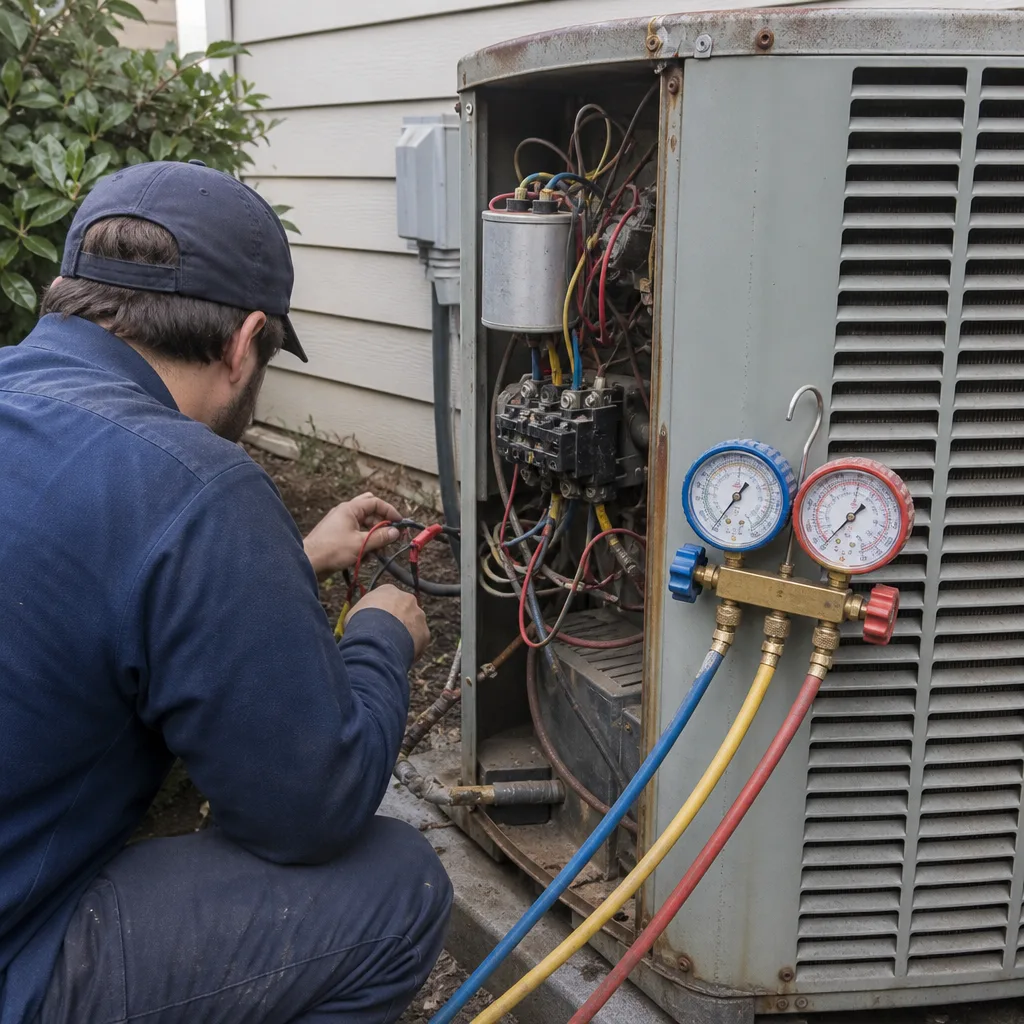 Before
 After
After Before
 After
After Before
 After
After